

A Costly Cut: Pakistan Reduces Climate Spending Amidst Growing Environmental Threats
Translated from English, summarized and contextualized by DistantNews.
At a glance
Analysis
Sources not specified
Context piece
- Pakistan is reducing climate ministry spending despite increasing climate threats, including glacial lake outburst floods.
- Rising temperatures are accelerating glacial melt, threatening water supplies for agriculture and hydropower.
- Climate shocks, like the 2022 floods, impose significant economic costs, highlighting the need for sustained funding in preparedness over reconstruction.
Pakistan faces escalating climate dangers while simultaneously cutting funding for its climate management institutions. The decision to reduce the climate ministry's Public Sector Development Programme (PSDP) allocation from Rs3.5 billion to Rs2.48 billion is particularly concerning given the growing challenges.
Suparco has identified 130 potentially hazardous glacial lakes in Pakistan's northern regions, posing a risk of outburst floods to downstream communities. While 24 are currently monitored, the findings underscore the increasing stress on the country's glaciers. Accelerated glacial melt due to rising temperatures threatens the long-term reliability of river flows essential for agriculture, hydropower, and drinking water.
The climate outlook, including potential El Niño conditions, warns of weaker monsoons, more frequent heatwaves, droughts, and warmer winters. These shifts jeopardize crop yields, livestock, and water availability, while extreme heat already impacts labor productivity and public health. Droughts exacerbate food security and inflation, and erratic rainfall leads to both flooding and water shortages.
The lesson is that preparedness costs less than reconstruction.
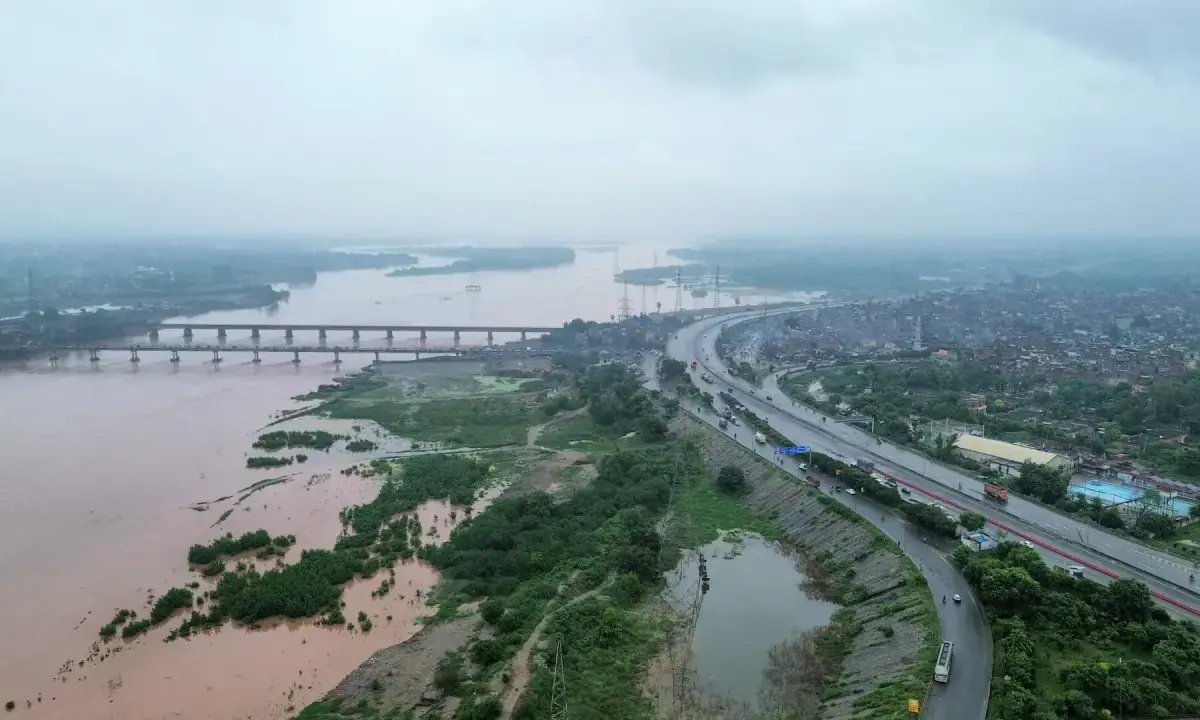
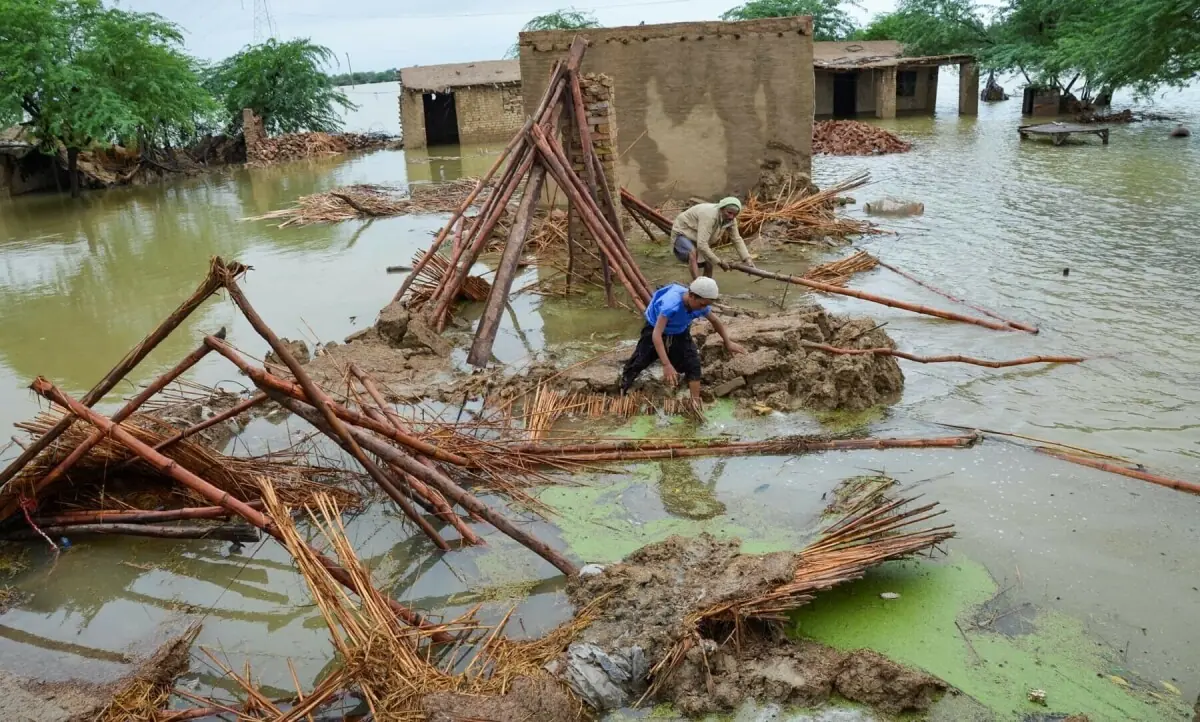
Climate change presents a significant fiscal challenge, forcing governments to divert resources to emergency relief instead of development. Repeated climate shocks discourage investment and disrupt supply chains. The devastating 2022 floods, estimated to have caused over $30 billion in losses, demonstrate how quickly these shocks can overwhelm public resources. Preparedness, including investments in monitoring, early warning systems, and resilient infrastructure, is presented as a more cost-effective approach than reconstruction.
The budget cuts also raise questions about national priorities, with critics pointing out that climate spending is reduced while significant funds continue to support loss-making state-owned enterprises. Reducing support for adaptation and resilience at a time of multiplying climate hazards is seen as a costly policy error. While Pakistan cannot control global emissions, strengthening its capacity to cope with consequences requires sustained funding, robust institutions, and long-term planning.
At a time when climate-related hazards are multiplying, reducing support for adaptation and resilience amounts to a costly policy error.
DistantNews Editorial
Originally published by Dawn in English. Translated, summarized, and contextualized by our editorial team with added local perspective. Read our editorial standards.
More Stories



From Our Blog

What Gets Lost (and Found) When News Is Translated

The Critical Role of Diaspora Media in Global News

What Travellers Should Know About Countries with Restricted Press

A Digital Nomad's Guide to Following Local News

How the Same Story Looks Different in Different Countries
