


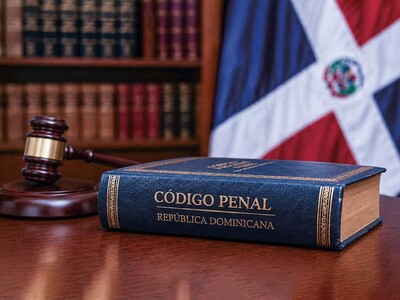
A culture of legal compliance as a legally protected corporate interest
Translated from Spanish and summarized by DistantNews. Read the original for the full story.
At a glance
Analysis
Documents & data
Context piece
- The article argues that corporate criminal liability concerns an organization’s legal culture as well as the underlying offense.
- Under Article 8 of the amended Dominican Penal Code, companies can face liability when offenses by their representatives or employees result from failures of direction, control or supervision.
- The law can reduce liability when companies operate verifiable and measurable compliance and prevention programs.
The central question in corporate criminal law is no longer only who physically committed an offense. The deeper issue is whether the company created, governed and monitored an organization capable of preventing illegal conduct.
That distinction does not eliminate the traditional legal interests protected by criminal law. Corruption still harms the integrity of public service, fraud affects property, personal-data offenses threaten privacy, and crimes involving medicines, food or other products can endanger public health. But when authorities assess a company’s organizational duties, the focus shifts to the institution itself.
The amended Dominican Penal Code reflects that approach. Article 8 states that legal entities can be held criminally responsible for punishable acts or omissions by their bodies, representatives or subordinates when those acts occur on the company’s behalf and also result from its failure to meet duties of direction, control or supervision.
In this framework, the company is not liable simply because someone inside it acted improperly. Liability arises when an organizational defect allowed the offense to occur or failed to stop it. The article describes compliance systems as a protective structure that should identify and neutralize deviations from legal standards before they become criminal harm.
The amended Article 8 also allows corporate responsibility to be reduced when an entity has verifiable, measurable compliance and prevention policies and programs in operation under the standards set by the law. The provision therefore places value not only on punishment after harm, but also on an organization’s capacity to prevent wrongdoing.
Legal entities shall be criminally responsible for offenses committed through punishable acts or omissions by their bodies, representatives or subordinates acting on their behalf, provided that these acts or omissions also result from the legal entity’s failure to fulfill its duties of direction, control or supervision.
About this summary
Originally published by Diario Libre in Spanish. Translated, summarized, and contextualized automatically by DistantNews, with a note on how the source frames the story. Not individually reviewed before publishing. How this works.
More Stories


From Our Blog

What Gets Lost (and Found) When News Is Translated

The Critical Role of Diaspora Media in Global News

What Travellers Should Know About Countries with Restricted Press

A Digital Nomad's Guide to Following Local News

How the Same Story Looks Different in Different Countries
