



A guide to earthquake aid: What victims need to know before rebuilding and how tragedy can become prevention
Translated from Spanish and summarized by DistantNews. Read the original for the full story.
At a glance
News
Official statement
Ongoing story
- Cali, the national government and Colombia’s disaster agency have established a relief plan for families affected by the Aug. 10 earthquake.
- Eligible households can receive 1,050,543 pesos per month for three months if they appear in the disaster registry and their homes are destroyed or uninhabitable.
- Authorities are validating registrations, while Cali officials inspect buildings and debate longer-term urban prevention measures.
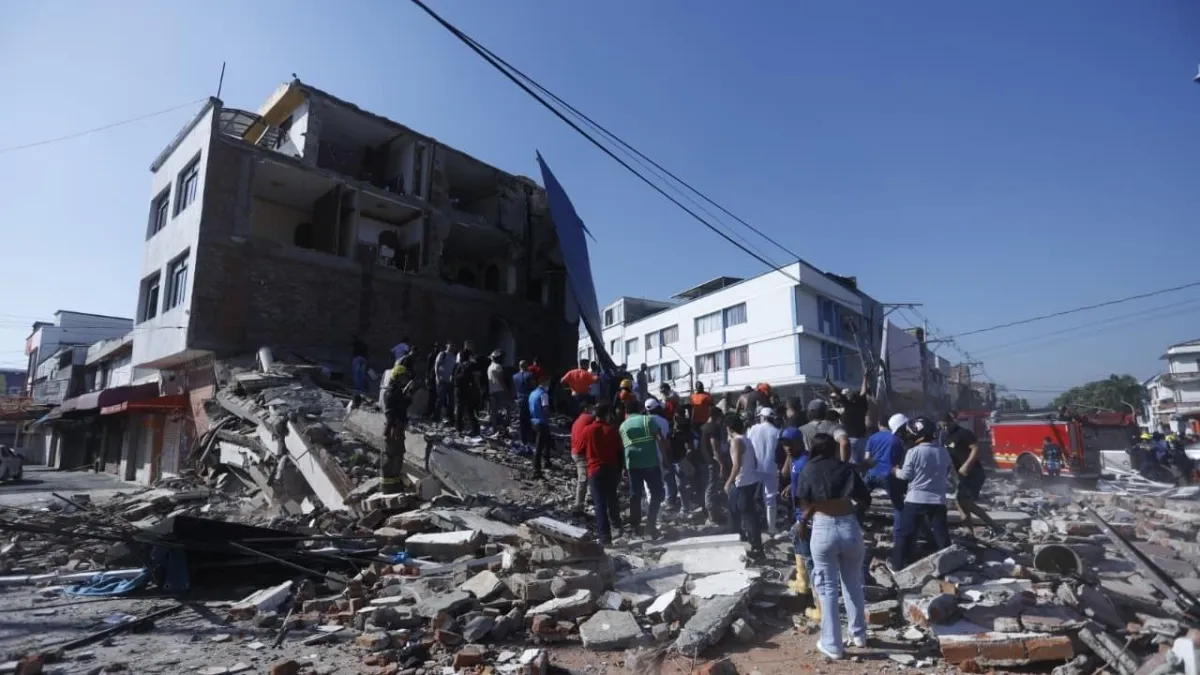
Cali and Colombia’s national authorities have drawn up a relief route for families affected by the powerful earthquake that struck on Aug. 10. The plan combines temporary housing assistance with mandatory urban-planning procedures before reconstruction begins.
Under Resolution 0765, issued by the National Unit for Disaster Risk Management, each eligible household can receive 1,050,543 pesos a month for three months. The payment equals 60% of the legal minimum wage and comes as one grant per household, not one payment for every family member.
To qualify, household heads must meet both conditions: they must appear in the Unified Registry of Disaster Victims, known as the RUD, and their home must be classified as destroyed or uninhabitable. Homes that remain standing and habitable, even if they have cracks or other damage, do not qualify for the cash payment. Those families are instead awaiting possible assistance through a materials bank.
The city says information from the emergency family registry is being transferred into the RUD. Registration alone does not guarantee payment. The disaster agency is checking records against the national civil registry and conducting field validations to detect false documents and duplicate applications. An initial review on Aug. 24 identified 11,616 families as preliminarily eligible. The second and final registration cutoff is Sept. 4, 2026.
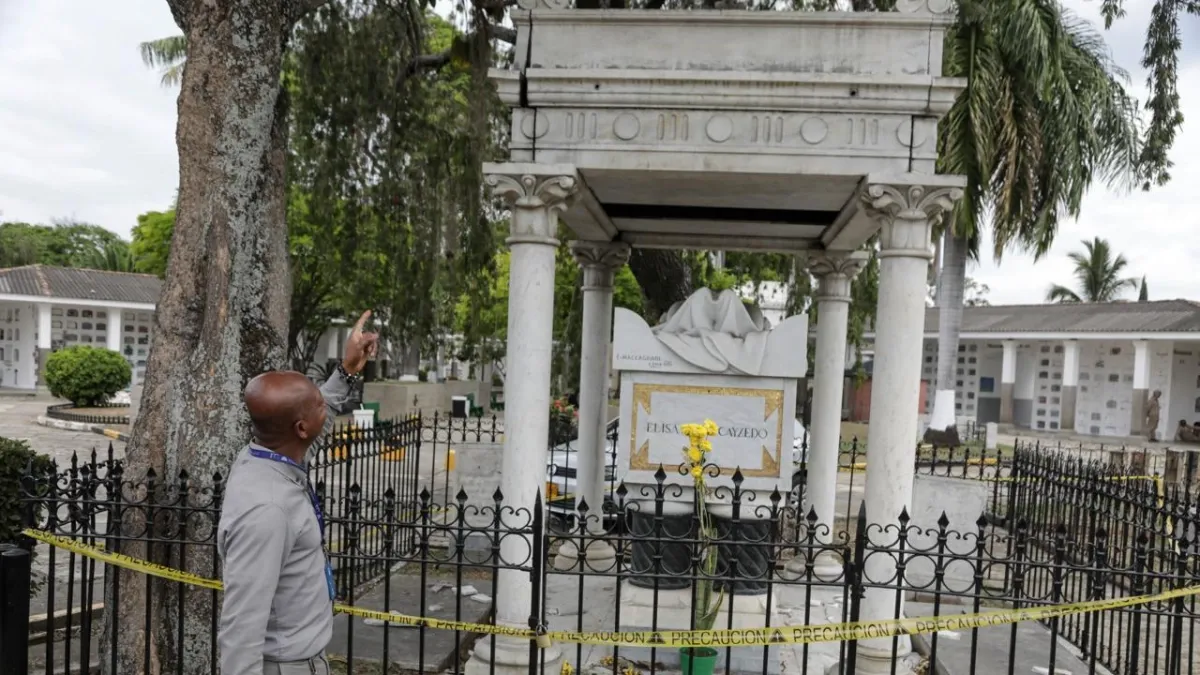
Cali’s Risk Management Secretariat continues to send technical inspection teams to classify buildings with a color-coded system. At the city council, an extraordinary plenary session pressed officials to move beyond immediate aid and make earthquake prevention a lasting urban policy. Councilwoman Tania Fernández also demanded updated seismic microzonation, while residents in parts of northern and southern Cali continued to await technical visits.
About this summary
Originally published by El Tiempo in Spanish. Translated, summarized, and contextualized automatically by DistantNews, with a note on how the source frames the story. Not individually reviewed before publishing. How this works.
More Stories

From Our Blog

News in Translation: What Gets Lost, and How We Keep the Framing

Diaspora Media: How Communities Abroad Follow Home

Traveling Where the Press Is Not Free: How to Read the News There

The Digital Nomad's Guide to Local News

The Same Story, Different Countries: How Coverage Changes at the Border
