


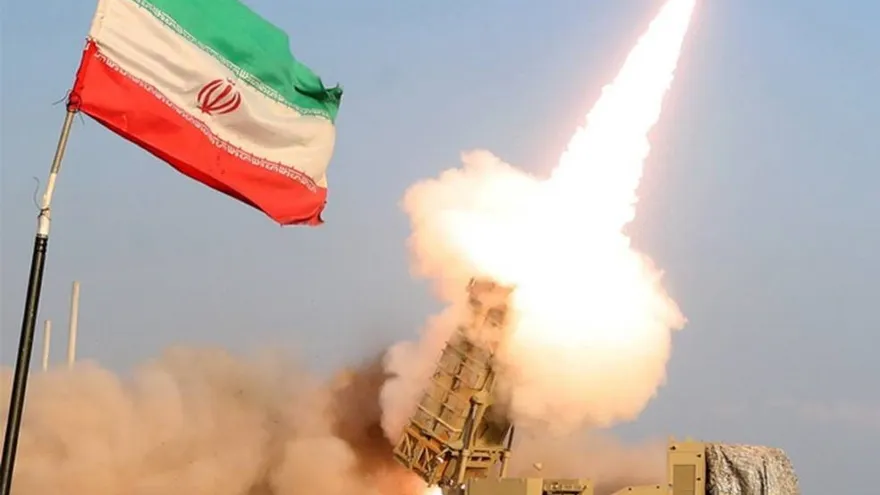
A hundred days into the war, hostilities between Iran and Israel escalate
Translated from Spanish, summarized and contextualized by DistantNews.
At a glance
News
Named sources
Ongoing story
- Tensions between Iran and Israel escalated with an Israeli attack near Beirut and Iranian drone strikes on Israel, despite a recent ceasefire.
- The conflict, now 100 days old, has destabilized the global economy, and prospects for a peace agreement appear distant.
- Pakistan is mediating peace efforts, but negotiations face challenges due to perceived "posture changes" by the U.S. administration.
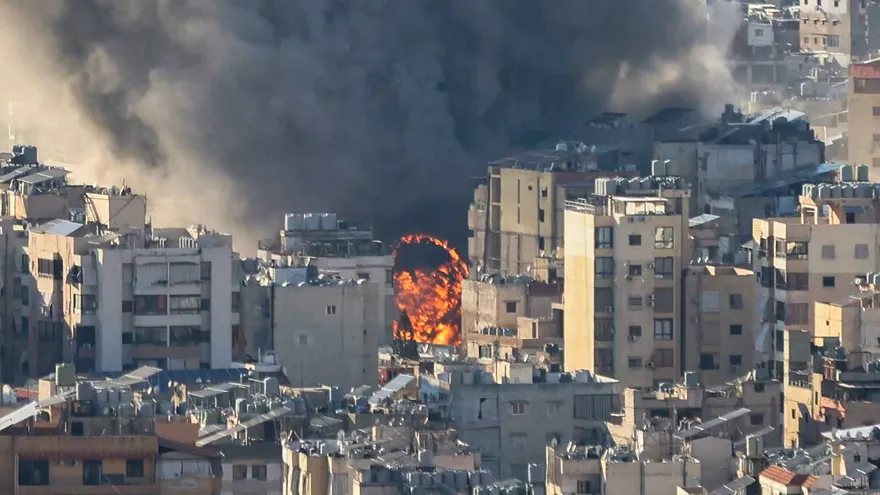
Hostilities between Iran and Israel have intensified, marking 100 days since the start of a conflict that has shaken the global economy. An Israeli strike in the southern suburbs of Beirut, a stronghold of the pro-Iranian group Hezbollah, resulted in two deaths on Sunday. This attack came in retaliation for earlier rocket fire into Israeli territory, despite an April 8 ceasefire.
Lebanon's Ministry of Health reported that the Israeli attacks killed two people and wounded 20, including four children and four women. Israel, in turn, reported two waves of Iranian drone attacks on its territory, the first since the April ceasefire. In response, Israel announced the suspension of classes for Monday. Tehran, which issued a statement condemning Israel for "crossing all red lines" in Lebanon, had previously threatened retaliation against U.S. and Israeli interests in the Middle East.
The naval blockade imposed on Iran and the green light given today by the United States to the Zionist regime make American and Israeli bases and assets in the region legitimate targets.
The possibility of a peace agreement to end the 100-day war appears increasingly remote. Iran's chief negotiator and Parliament Speaker, Mohamad Baqer Qalibaf, declared that the naval blockade imposed on Iran and the U.S. "green light" to Israel make American and Israeli assets in the region legitimate targets. He added that Iran's armed forces have the freedom to act.
Our armed forces, as always, have freedom to act.
Despite stalled peace negotiations, Pakistan continues its mediation efforts. Pakistani Interior Minister Mohsen Naqvi reportedly visited Tehran and delivered a "special letter" to Supreme Leader Mojtaba Jamenei containing an "important message." However, Iranian Foreign Ministry spokesman Esmail Baqai described the negotiation process as "cumbersome" and criticized the U.S. administration's "posture changes" and "contradictory comments."
Economic uncertainty and stagnation weigh heavily on Iranians. "I have the feeling that this situation will drag on for a while: a kind of suspended state where some launch missiles, others send drones," said Farhad, a 35-year-old chef in Tehran. Life has become "increasingly difficult," he added, with items once affordable now seeming like "dreams or fairy tales."
I have the feeling that this situation will drag on for a while: a kind of suspended state where some launch missiles, others send drones.
Hostilities had nearly ceased since the April 8 ceasefire, but have recently resurfaced, particularly around the Strait of Hormuz, a strategic shipping route for oil controlled by Tehran. The U.S. military announced Sunday it had shot down two Iranian drones threatening international maritime traffic in the strait, stating its forces remained "on alert."
Life has become "increasingly difficult," ... "Things that only a few months ago we could have considered buying are now dreams or fairy tales."
DistantNews Editorial
Originally published by TVN Panamá in Spanish. Translated, summarized, and contextualized by our editorial team with added local perspective. Read our editorial standards.
More Stories


From Our Blog

What Gets Lost (and Found) When News Is Translated

The Critical Role of Diaspora Media in Global News

What Travellers Should Know About Countries with Restricted Press

A Digital Nomad's Guide to Following Local News

How the Same Story Looks Different in Different Countries
