


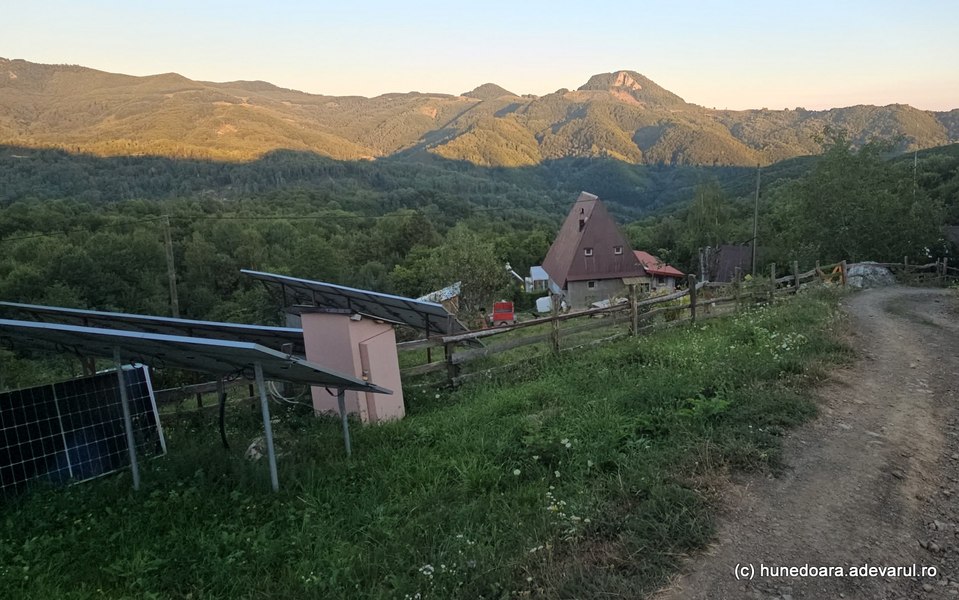
Abandoned mountain villages in Romania brought back to life by Adventist families
Translated from Romanian, summarized and contextualized by DistantNews.
At a glance
In-depth
Sources not specified
Context piece
- Young families, many from the Adventist community, are revitalizing abandoned villages in Romania's Apuseni, Poiana Ruscă, and southern Transylvania mountains.
- These families seek a life closer to nature, independent of urban services.
- Depopulation in Romanian villages has been driven by factors like collectivization, industrialization, and emigration, leading many settlements to the brink of disappearance.
Once-forgotten villages nestled in Romania's Apuseni, Poiana Ruscă, and southern Transylvania mountains are experiencing a revival. Young families, many belonging to the Adventist community, are choosing to relocate to these remote areas, seeking a life closer to nature and away from the dependencies of urban services. These settlements, many of which had been gradually abandoned over generations, are now seeing new life breathed into them by these newcomers.
The depopulation of Romanian villages, particularly in mountainous and isolated regions, has been a persistent issue since World War II. Factors such as collectivization, the migration of labor to new industrial cities, school closures, young people leaving for universities or Western Europe, and a long-term lack of investment in infrastructure and social services have all contributed to the demographic decline. Subsistence farming and animal husbandry often proved insufficient to support those who remained.
After 1990, the depopulation trend also took on an ethnic dimension, with Saxon and Swabian communities significantly shrinking as ethnic Germans and others emigrated to Germany and Western Europe. Villages that had grown around mining centers and factories after the mid-20th century also declined when these industries disappeared post-1990.
In recent years, these isolated settlements have presented opportunities for those seeking a rural lifestyle. Initially attractive in the 2000s for their low property prices, some abandoned houses and farms have been bought by Romanians. However, many new owners renovate them for holiday use or keep them preserved, awaiting the return of relatives from abroad or future real estate opportunities. The influx of families, particularly from the Adventist community, marks a significant shift, bringing a new sense of permanence and community to these reviving hamlets.
DistantNews Editorial
Originally published by Adevărul in Romanian. Translated, summarized, and contextualized by our editorial team with added local perspective. Read our editorial standards.
More Stories


From Our Blog

What Gets Lost (and Found) When News Is Translated

The Critical Role of Diaspora Media in Global News

What Travellers Should Know About Countries with Restricted Press

A Digital Nomad's Guide to Following Local News

How the Same Story Looks Different in Different Countries
