

Abdullah Ibrahim, the piano of exile, falls silent
Translated from French, summarized and contextualized by DistantNews.
At a glance
In-depth
Sources not specified
Outcome reported
- South African jazz pianist Abdullah Ibrahim, a major figure in African jazz, died on Monday in Germany at age 91.
- Ibrahim's music, born from the pain of apartheid and the grace of displacement, blended American jazz, traditional Cape music, gospel, and Malay influences.
- He was discovered by Duke Ellington in 1962 and went on to record over seventy albums, leaving behind a deeply human body of work.
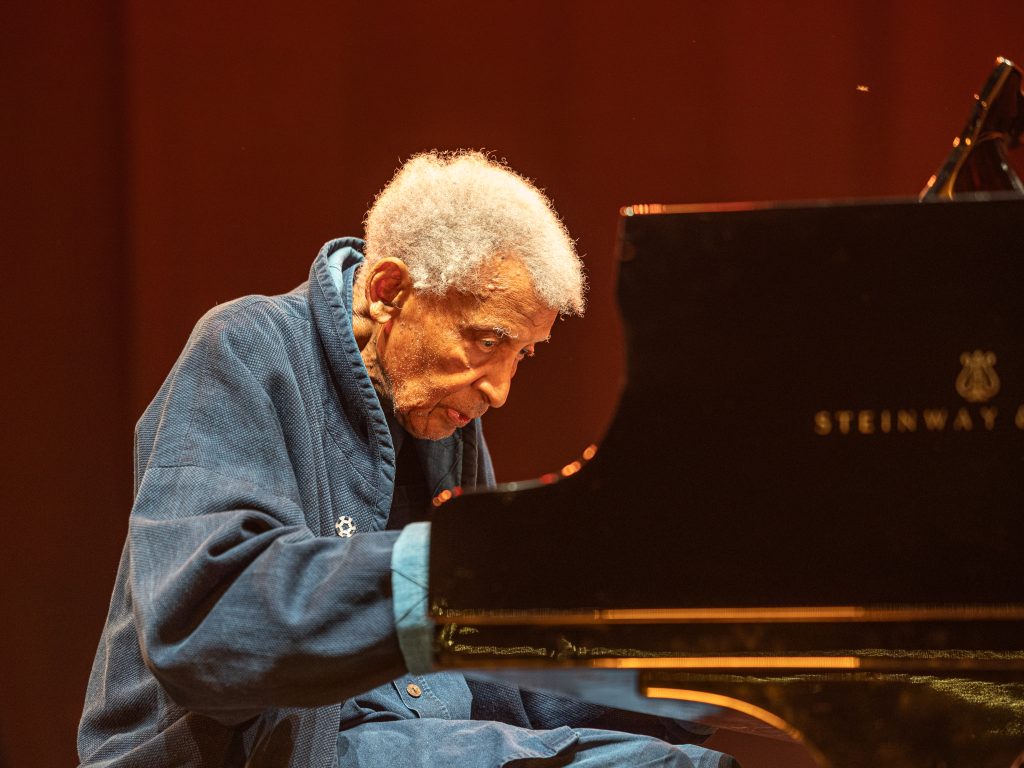
Abdullah Ibrahim, the South African jazz pianist whose music was shaped by apartheid and exile, has died in Germany at the age of 91. Ibrahim, a towering figure in African jazz, passed away peacefully on Monday, June 15, surrounded by his family after a short illness.
This young man plays as if his life depended on it.
Born in Cape Town in 1934, Ibrahim was forced to flee South Africa in 1962 due to the apartheid regime. He spent decades living in exile in Europe and the United States. His music, a unique synthesis of American jazz, traditional Cape melodies, gospel, and Malay influences, became known as "Cape Jazz." Critics often noted its profound humanity, born from the pain of his homeland's segregation and the grace of displacement.
My family, my friends, the place where I grew up.
In 1962, the legendary Duke Ellington discovered Ibrahim in New York, launching his international career. Ellington reportedly remarked, "This young man plays as if his life depended on it." Ibrahim went on to release over seventy albums, collaborate with jazz giants like Max Roach and Don Cherry, and founded his band Ekaya, meaning "home" in Zulu, symbolizing his unwavering connection to Africa.
My music wants to be sincere, to commune.
Despite his global fame, Ibrahim never sought stardom. He described his compositions as being about "my family, my friends, the place where I grew up," adhering to a high school teacher's advice to write about what he knew best. His philosophy, tinged with mysticism after his conversion to Islam in the 1960s, emphasized the present moment. His playing, characterized by a spare, meditative beauty, conveyed this sense of immediacy. He had returned to his native Cape Town in March for a jazz festival, seemingly completing a final circle with the land that had once denied him.
There is no past, no future, just the present moment to which the listener is invited.
DistantNews Editorial
Originally published by El Watan in French. Translated, summarized, and contextualized by our editorial team with added local perspective. Read our editorial standards.
More Stories


From Our Blog

What Gets Lost (and Found) When News Is Translated

The Critical Role of Diaspora Media in Global News

What Travellers Should Know About Countries with Restricted Press

A Digital Nomad's Guide to Following Local News

How the Same Story Looks Different in Different Countries
