


Abolishing supplementary investigation rights would be the worst for prosecutorial reform; uncontrolled prosecutors are the real danger
Translated from Korean, summarized and contextualized by DistantNews.
At a glance
News
Named sources
Context piece
- South Korea's Democratic Party held a policy meeting to discuss abolishing prosecutors' supplementary investigation rights.
- Experts were divided on the issue, with some arguing that abolishing these rights would be detrimental to prosecutorial reform and potentially dangerous.
- Others contended that police handle investigations and that prosecutors' direct investigative powers pose a greater risk without sufficient oversight.
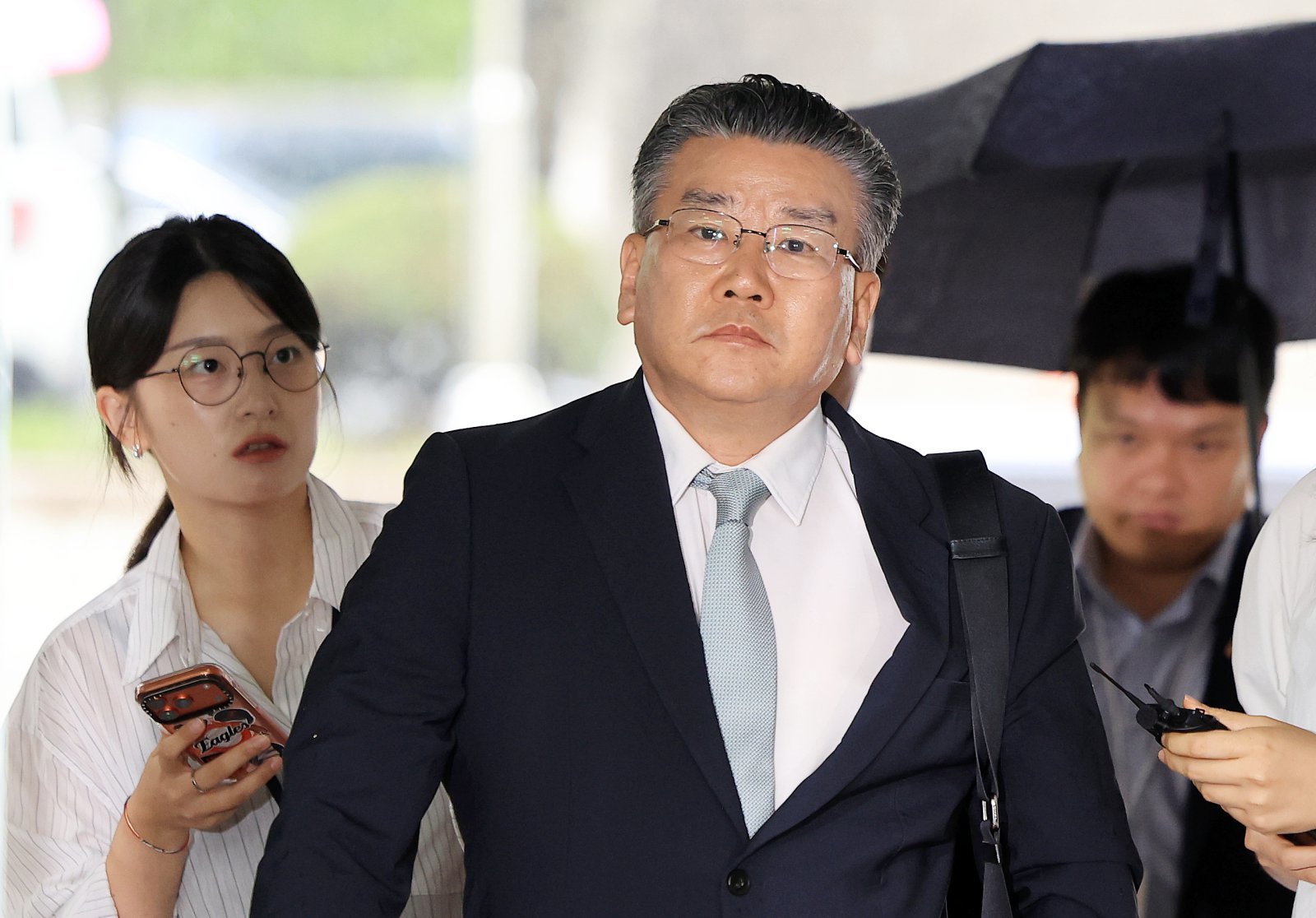
South Korea's Democratic Party convened a policy meeting on July 21 to deliberate on the proposed amendment to the Criminal Procedure Act, specifically concerning the abolition of prosecutors' supplementary investigation rights. The meeting, held at the National Assembly, brought together legal experts to present their views on the contentious issue, which has gained prominence following the 'Jang Yoon-gi case.' Experts presented sharply divided opinions. Professor Park Chan-woon of Hanyang University Law School argued that abolishing supplementary investigation rights would lead to the worst outcome for prosecutorial reform. He stated, "Prosecutorial reform is not about supplementary investigations, and if supplementary investigations are abolished, prosecutorial reform will be the worst." He further warned that abolishing these rights could be a product of public anger following President Yoon Suk-yeol's impeachment and might lead to a crisis for the Democratic Party's administration. Conversely, Professor Yoo Seung-ik of Myongji University argued against the necessity of supplementary investigation rights for victim protection. He asserted, "Victim protection is not a task that can be resolved by the discretionary goodwill of prosecutors or by relying on direct investigation rights." Professor Hwang Moon-gyu of Joongbu University proposed alternative solutions, suggesting the granting of interview rights to complainants, accusers, and victims when consulting with prosecutors, and empowering prosecutors with fact-finding authority. Lawyer Kang Dong-pil, a former police official, stated that the abolition would not be problematic as police already handle most investigative work. He emphasized, "The real danger is a prosecutor's direct investigation without control." Lawyer Kim Gyu-hyun, a former prosecutor, cited cases like Jang Yoon-gi, Kim Chang-min, and the Busan '돌려차기' (roundhouse kick) assault, arguing that supplementary investigation rights are essential for "people's livelihood investigations." He cautioned against abolishing them before general elections, warning it could lead to the ruling party's downfall. Kim Hye-jung, director of the Korea Sexual Violence Relief Center, noted that the 2021 adjustment of investigative rights between prosecutors and police was difficult for victims. She added, "It is not realistic that everything will go perfectly," and stressed that "if (supplementary investigation rights) are to be abolished, there must be a persuasive process." Representative Hong Ki-won, who proposed a bill to retain these rights exceptionally for cases involving vulnerable individuals, argued that supplementary investigations serve to protect victims by allowing an external party to review police investigations for distortions or errors. The meeting saw a significant number of lawmakers leave before the expert testimonies concluded, with only about ten remaining by the end. The bill is scheduled for review by the Legislation and Judiciary Committee's Subcommittee on Bills on July 22.
Prosecutorial reform is not about supplementary investigations, and if supplementary investigations are abolished, prosecutorial reform will be the worst.
DistantNews Editorial
Originally published by Hankyoreh in Korean. Translated, summarized, and contextualized by our editorial team with added local perspective. Read our editorial standards.
More Stories

From Our Blog

What Gets Lost (and Found) When News Is Translated

The Critical Role of Diaspora Media in Global News

What Travellers Should Know About Countries with Restricted Press

A Digital Nomad's Guide to Following Local News

How the Same Story Looks Different in Different Countries
