


Aceh Tamiang Regency Focuses on Recovery and Rebuilding After Devastating Floods
Translated from Indonesian, summarized and contextualized by DistantNews.
At a glance
News
Sources not specified
Outcome reported
- Aceh Tamiang Regency in Indonesia is recovering from devastating flash floods that destroyed thousands of homes and damaged infrastructure in late 2025.
- Local officials are prioritizing the reconstruction of 18,516 permanent housing units and ensuring flood survivors receive their due assistance.
- The regional government is focusing on adaptive governance, transparency, and accountability to rebuild the community and fulfill its vision of a prosperous and sustainable Aceh Tamiang.
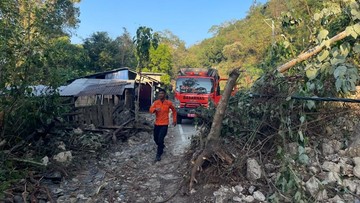
Aceh Tamiang Regency is striving to recover and rebuild after severe flash floods in late 2025 devastated the region. Thousands of homes were swept away, infrastructure crumbled, and even government facilities suffered damage, leaving a significant impact on the community. "In our calculations, 18,516 permanent housing units are needed," stated Aceh Tamiang Regent Armia Fahmi.
In our calculations, 18,516 permanent housing units are needed.
Fahmi and his deputy, Ismail, who took office just nine months prior, had been working towards their vision of a "Madani, Prosperous, and Sustainable Aceh Tamiang." However, the natural disaster forced a redirection of their energy towards recovery efforts. The regional government finds itself essentially rebuilding the area from scratch, making the national theme of "Indonesia Sovereign, Just, and Prosperous" for the 81st Independence Day particularly resonant.
The community's needs are our priority. We are maximizing all efforts to ensure that the rights of flood-affected residents are met.
"The community's needs are our priority. We are maximizing all efforts to ensure that the rights of flood-affected residents are met," Fahmi said on Thursday, June 4, 2026. With a territory spanning nearly 2,000 square kilometers and 216 villages across 12 sub-districts, the regency, known as "Bumi Muda Sedia," is particularly vulnerable to floods. This experience underscores the necessity for adaptive governance, ensuring the government can function even in abnormal conditions.
Recovery aid is a community right that must be received in full.
The immediate focus is on ensuring all survivors receive their rightful assistance. This requires strengthening governance through transparency, accountability, and precise targeting in aid distribution. The central government has provided support through 32 ministries and agencies, offering aid for home repairs, living allowances, economic stimulus, and temporary and permanent housing. Fahmi emphasized that recovery aid is a community right, with oversight mechanisms including data-based verification, inter-agency coordination, and the involvement of supervisory elements to ensure aid reaches its intended recipients effectively.
Supervision is carried out through a data-based verification process for aid recipients, inter-agency coordination, and the involvement of supervisory elements so that every support provided can be delivered accurately.
DistantNews Editorial
Originally published by Tempo in Indonesian. Translated, summarized, and contextualized by our editorial team with added local perspective. Read our editorial standards.
More Stories


From Our Blog

What Gets Lost (and Found) When News Is Translated

The Critical Role of Diaspora Media in Global News

What Travellers Should Know About Countries with Restricted Press

A Digital Nomad's Guide to Following Local News

How the Same Story Looks Different in Different Countries
