


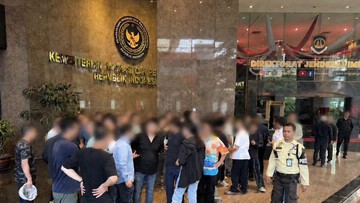

Acid Attack Ruling Fosters Impunity, SETARA Says
Summarized by DistantNews. Read the original for the full story.
At a glance
News
Named sources
Outcome reported
- Indonesia’s Jakarta High Military Court reduced the prison terms of two soldiers convicted in the acid attack on activist Andrie Yunus and canceled their dismissals from military service.
- SETARA Institute chair Hendardi said the ruling showed a lack of state commitment to justice and would reinforce impunity.
- The other two defendants kept their original sentences, while SETARA criticized the decision to try the case in a military court rather than the civilian justice system.
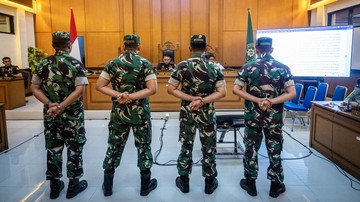
The appeal ruling in the acid attack case against KontraS activist Andrie Yunus has drawn a sharp rebuke from Indonesia’s SETARA Institute. The Jakarta High Military Court reduced the sentences of two soldiers and overturned their dismissal from military service.
Second Sergeant Edi Sudarko’s prison term fell from three years to two years and six months. First Lieutenant Budhi Hariyanto Widhi Cahyono’s sentence dropped from two years and six months to two years. The appellate judges also restored both officers’ military status.
The sentences for the other two defendants remained unchanged. Captain Nandala Dwi Prasetyo received two years in prison, while First Lieutenant Sami Lakka received one year and six months.
The decision shows how the legal process is designed as an instrument to perpetuate impunity
Hendardi, chair of the SETARA Institute National Council, said the decision showed that the state lacked a commitment to justice for the victim. “The decision shows how the legal process is designed as an instrument to perpetuate impunity,” he said in a written statement on Sept. 6, 2026. He described the reduced sanctions and canceled dismissals as predictable and said the process failed to punish offenders or deliver justice to victims.
He also argued that the case should never have been transferred to military justice. Police initially handled the proceedings through the civilian court system, but the TNI Military Police Center later took over and the case moved to a military court. Hendardi said the change undermined judicial independence and accountability, while allowing an institutional arrangement that shields perpetrators and exposes victims to renewed harm. He further said the mechanism could spread fear among civilians and people who monitor, criticize or demand accountability from authorities.
On the contrary, the mechanism is considered as a means to spread fear among civilians and anyone brave enough to monitor, criticize, and demand accountability for the behavior of authorities
About this summary
Originally published by Tempo. Summarized and contextualized automatically by DistantNews, with a note on how the source frames the story. Not individually reviewed before publishing. How this works.
More Stories


From Our Blog

News in Translation: What Gets Lost, and How We Keep the Framing

Diaspora Media: How Communities Follow News From Home

Traveling Where the Press Is Not Free: How to Read the News There

The Digital Nomad's Guide to Local News

The Same Story, Different Countries: How Coverage Changes at the Border
