

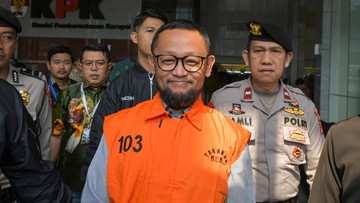

Activist Andrie Yunus's Skin May Only Recover 80% After Acid Attack, Doctors Testify
Translated from Indonesian and summarized by DistantNews. Read the original for the full story.
At a glance
News
Named sources
Context piece
- Two doctors testified in the trial of an acid attack on activist Andrie Yunus, detailing the severity of his chemical burns.
- Medical experts stated that Andrie Yunus's skin can only recover to a maximum of 80% due to the nature of the chemical burns and subsequent skin grafting.
- The court emphasized the need for Yunus's presence to fully understand the impact of the attack, as he is currently undergoing outpatient treatment.
The ongoing trial concerning the brutal acid attack on activist Andrie Yunus has brought to light the devastating and lasting impact of such violence. The testimony of medical experts from Rumah Sakit Cipto Mangunkusumo (RSCM) paints a grim picture of the physical toll, revealing that Yunus's skin can only achieve a maximum of 80% recovery.
This stark reality, presented in a military court, underscores the severe consequences of chemical burns. The doctors detailed the initial treatment, including the extensive use of water to neutralize the acid and subsequent skin grafting procedures. While the medical team has worked diligently to close the wounds, the irreversible nature of the damage means that Yunus will not regain his original condition. This is a critical point, as it highlights the long-term suffering inflicted upon the victim.
80 percent maximum can recover.
From an Indonesian perspective, this case is not just about a physical assault but also about the broader implications for activism and the safety of dissenting voices. The fact that the court, presided over by Colonel Fredy Ferdian Isnartanto, has stressed the importance of Yunus's direct testimony signifies a commitment to understanding the full extent of the harm. His presence is deemed necessary to truly grasp the impact of the attack, moving beyond medical reports to the lived experience of the victim.
The legal proceedings, involving the Tim Advokasi untuk Demokrasi (TAUD), aim to bring justice to Andrie Yunus. However, the medical prognosis serves as a somber reminder that even with legal recourse, the physical scars and limitations may persist. This case resonates deeply, prompting reflection on the protection of activists and the enduring consequences of violence in our society.
How after that what is the impact? Where do we want to see the wound? Is it a severe wound, is it a mild or severe wound?
About this summary
Originally published by Tempo in Indonesian. Translated, summarized, and contextualized automatically by DistantNews, with a note on how the source frames the story. Not individually reviewed before publishing. How this works.
More Stories


From Our Blog

News in Translation: What Gets Lost, and How We Keep the Framing

Diaspora Media: How Communities Abroad Follow Home

Traveling Where the Press Is Not Free: How to Read the News There

The Digital Nomad's Guide to Local News

The Same Story, Different Countries: How Coverage Changes at the Border
