


Adam Glapiński lost a lawsuit with an NBP board member. 'Criticism is in the public interest'
Translated from Polish and summarized by DistantNews. Read the original for the full story.
At a glance
News
Named sources
Context piece
- Poland's Supreme Court has ruled against the National Bank of Poland (NBP) in a case involving disciplinary action against board member Paweł Mucha.
- Mucha had publicly criticized NBP President Adam Glapiński, revealing details about bonus systems and alleged breaches of collegiality.
- The court upheld Mucha's appeal, overturning a reprimand and affirming that criticism of NBP actions can be in the public interest.
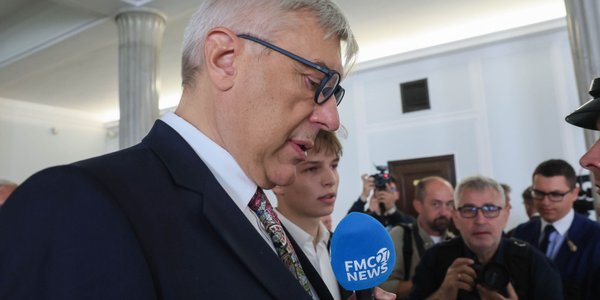
WARSAW – In a significant victory for transparency and accountability, Poland's judicial system has affirmed the right to public criticism of state institutions, even when directed at the highest levels. The Supreme Court's final ruling in favor of National Bank of Poland (NBP) board member Paweł Mucha against the bank's leadership marks a crucial moment in the ongoing debate surrounding governance and public interest within Poland's central bank.
The judgment corresponds to the law. I am happy about it. The unlawful reprimand has been judicially overturned. My posts on the X portal were made in the public interest.
The case centered on disciplinary actions taken against Mucha after he publicly disclosed information regarding President Adam Glapiński's alleged self-awarded bonuses and a perceived disregard for the bank's collegial decision-making processes. Mucha's decision to speak out, documented through posts on social media platform X, was framed by him as an act in the public interest, a stance now vindicated by the courts.
From the perspective of Rzeczpospolita, this verdict is more than just a legal resolution; it is a powerful statement on the boundaries of executive authority and the importance of whistleblowing. The NBP, under Glapiński's leadership, attempted to penalize Mucha with a reprimand for failing to remove his posts, a move that the courts have now deemed unlawful. The ruling by the District Court in Warsaw, and subsequently upheld by the Warsaw Regional Court upon NBP's appeal, underscores that public officials cannot operate above the law or shield their actions from scrutiny.
The NBP President is not above the law. He should abide by it.
Mucha's own words, "The NBP President is not above the law. He should abide by it," resonate deeply with the public's expectation of integrity from institutions managing the nation's economy. This legal precedent is vital, reinforcing the principle that airing legitimate concerns about the management of public funds and institutional conduct is not merely a right but a public service. It sends a clear message that internal dissent, when motivated by public interest, should be protected, not punished.
The court stated that, apart from formal and legal violations by the NBP, the statements on the X portal concerned matters of public interest, which the board member had the right to inform about.
About this summary
Originally published by Rzeczpospolita in Polish. Translated, summarized, and contextualized automatically by DistantNews, with a note on how the source frames the story. Not individually reviewed before publishing. How this works.
More Stories

From Our Blog

News in Translation: What Gets Lost, and How We Keep the Framing

Diaspora Media: How Communities Abroad Follow Home

Traveling Where the Press Is Not Free: How to Read the News There

The Digital Nomad's Guide to Local News

The Same Story, Different Countries: How Coverage Changes at the Border
