

AfD candidate: We want to reform, not abolish, compulsory schooling
Translated from German, summarized and contextualized by DistantNews.
At a glance
News
Sources not specified
New plan
- AfD candidate Ulrich Siegmund stated the party aims to reform, not abolish, compulsory schooling.
- Siegmund argued that Germany's attendance-based compulsory schooling is unique internationally and suggested expanding alternative education options.
- The AfD's election program proposes a "Bildungspflicht" (education obligation) instead of "Schulzwang" (compulsory schooling), a stance that has drawn criticism.
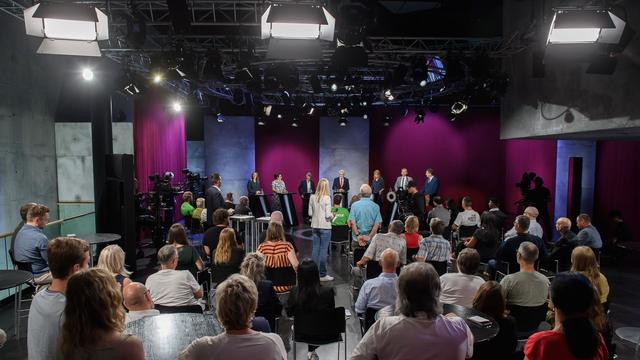
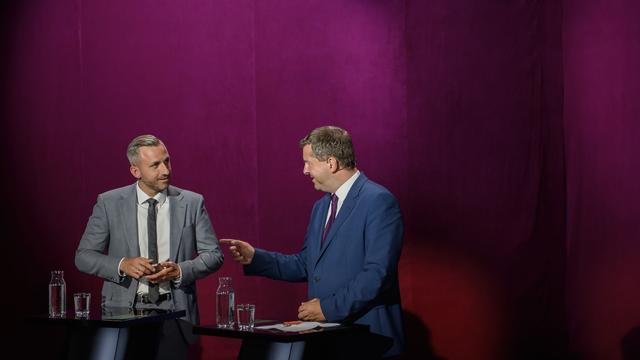
Ulrich Siegmund, the top candidate for the AfD in Saxony-Anhalt, has clarified his party's stance on compulsory schooling, stating they intend to reform it rather than abolish it. Speaking in the MDR election arena, Siegmund asserted that the AfD actually wishes to "expand" compulsory schooling.
Siegmund challenged the notion that his party seeks to eliminate compulsory education, arguing that Germany's current system of mandatory attendance is "completely unique" on an international level. He pointed to issues like school bullying, suggesting that the legal framework could be broadened to accommodate other forms of education. The AfD's proposal is to transform compulsory schooling into a so-called "Bildungspflicht," or education obligation, a concept outlined in their election program under the heading "Education Obligation Instead of Compulsory Schooling!"
This proposed shift has generated significant criticism nationwide. The AfD's platform also indicates that they do not view inclusion and integration as responsibilities of schools. Meanwhile, the Bundesrat (Federal Council) recently passed a motion urging the federal government to strengthen compulsory schooling. In Saxony-Anhalt, the state election is scheduled for September 6, with the AfD currently leading in polls around the 40 percent mark, significantly ahead of the CDU. The BSW party, however, faces uncertainty regarding entry into parliament due to the five percent threshold.
DistantNews Editorial
Originally published by Die Zeit in German. Translated, summarized, and contextualized by our editorial team with added local perspective. Read our editorial standards.
More Stories



From Our Blog

What Gets Lost (and Found) When News Is Translated

How the Same Story Looks Different in Different Countries

The Critical Role of Diaspora Media in Global News

What Travellers Should Know About Countries with Restricted Press

A Digital Nomad's Guide to Following Local News
