

AfD in Baden-Württemberg eyes power amid coalition instability
Translated from German, summarized and contextualized by DistantNews.
At a glance
News
Sources not specified
Context piece
- The AfD in Baden-Württemberg is preparing for potential early elections and aims to take governmental responsibility.
- Party leaders believe existing coalitions in the state and federal government are unsustainable due to economic conditions.
- The AfD secured 18.8% of the vote in the state election and is the strongest opposition force but is excluded from coalition talks.
The Alternative for Germany (AfD) party in Baden-Württemberg is strategically positioning itself for a potential collapse of current governing coalitions, both at the state and federal levels. Co-state chairman Emil Sänze expressed strong hope for early elections in Baden-Württemberg, citing the unaffordability of the current Green-Black coalition's campaign promises in light of the economic climate.
I have great hope that there will be an early election in the state.
Sänze and co-state chairman Markus Frohnmaier believe that political disputes within the ruling coalition, which took office in mid-May, are inevitable. They also suggest that the "firewall" against cooperating with the AfD is weakening at the federal level, predicting increasing pressure on the CDU. The AfD is actively preparing for a scenario where Chancellor Friedrich Merz's CDU-led coalition might falter next year, signaling their readiness to govern.
The election promises of Green-Black are not financially feasible given the economic situation – there will be disputes in the coalition.
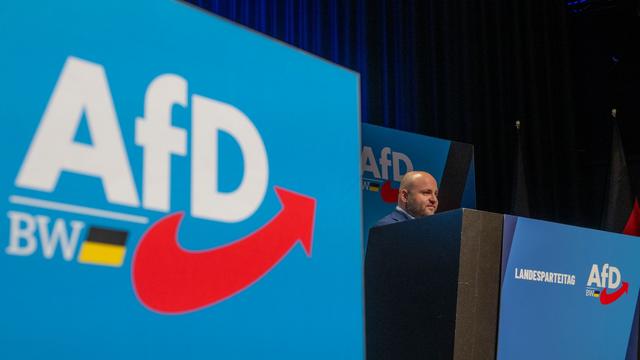
During the state party conference in Heidenheim, both Sänze and Frohnmaier were confirmed in their leadership roles. The AfD emerged as the strongest opposition party in the state's March election, securing 18.8% of the vote and 35 seats. However, no other parliamentary group is willing to form a coalition with the party, leaving them in opposition to the new state government led by Minister-President Cem Özdemir of the Green Party.
The firewall is being 'scratched more than just' at the federal level. The CDU will come under increasing pressure.
Despite presenting a united front at the conference, with Sänze and Frohnmaier receiving high percentages of delegate votes, underlying dissent exists within the regional party. One critic anonymously described the party as "oligarchized" and having become an "old party," indicating internal frustrations with the leadership's control, though such criticisms are not voiced publicly.
We are preparing very specifically at the federal level for the scenario that the black-red coalition of Chancellor Friedrich Merz will collapse next year.
DistantNews Editorial
Originally published by Die Zeit in German. Translated, summarized, and contextualized by our editorial team with added local perspective. Read our editorial standards.
More Stories

From Our Blog

What Gets Lost (and Found) When News Is Translated

How the Same Story Looks Different in Different Countries

The Critical Role of Diaspora Media in Global News

What Travellers Should Know About Countries with Restricted Press

A Digital Nomad's Guide to Following Local News
