

Friedrich Merz: And then Merz actually says: 'We can do it'
Translated from German, summarized and contextualized by DistantNews.
At a glance
News
Named sources
Context piece
- CDU leader Friedrich Merz is attempting to connect with voters in eastern Germany.
- He spoke at a party conference in Mecklenburg-Vorpommern, aiming to bolster support for the CDU.
- Merz's visit and rhetoric suggest a strategic effort to strengthen the party's standing in the region.
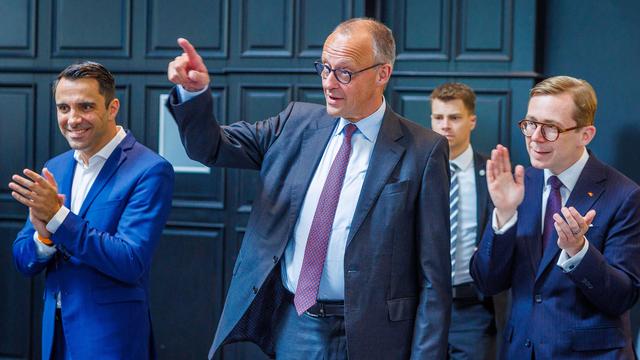
CDU leader Friedrich Merz is making a concerted effort to win over voters in eastern Germany, a region where the party faces significant challenges. During a recent state party conference in Mecklenburg-Vorpommern, Merz engaged with local party members, including top candidate Daniel Peters and Philipp Amthor, in a visible display of support.
The atmosphere at the event was charged with a sense of solidarity, as Merz received sustained applause and shook hands with numerous attendees. Daniel Peters addressed Merz directly, expressing pride in his leadership and pledging support despite facing headwinds. This warm reception appeared to resonate deeply with Merz, highlighting the importance of regional backing for the party leader.
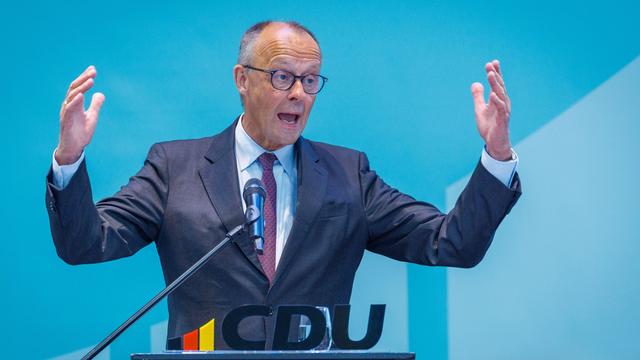
Merz's presence and his choice of words, including the phrase "Wir schaffen das" (We can do it), signal a strategic shift in tone. This message, often associated with different political contexts, is now being employed by Merz as he attempts to rally the CDU's base in the East. The article suggests this is part of a broader "Big Bang theory" approach to revitalizing the party's appeal in these crucial electoral territories.
The underlying question at the conference seemed to be about mutual support: who needs whom more? Merz, as the federal chancellor and CDU chairman, is clearly seeking to bolster the party's electoral prospects in the East. However, the enthusiastic reception he received indicates a reciprocal need for strong leadership and a clear vision from the party's top figure to navigate the complex political landscape of eastern Germany.
DistantNews Editorial
Originally published by Die Zeit in German. Translated, summarized, and contextualized by our editorial team with added local perspective. Read our editorial standards.
More Stories

From Our Blog

What Gets Lost (and Found) When News Is Translated

How the Same Story Looks Different in Different Countries

The Critical Role of Diaspora Media in Global News

What Travellers Should Know About Countries with Restricted Press

A Digital Nomad's Guide to Following Local News
