


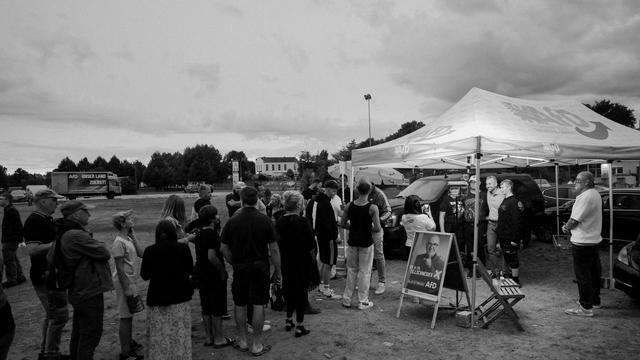
AfD's voter base: Three types explain the party's success
Translated from German, summarized and contextualized by DistantNews.
At a glance
Analysis
Sources not specified
Context piece
- Researchers have identified three distinct voter groups within Germany's Alternative for Germany (AfD) party.
- The largest group consists of conservative hardliners, primarily middle-aged individuals from smaller towns, who desire authoritarian leadership.
- A smaller group of moderate conservatives may be receptive to other parties' platforms, while radical-right authoritarians have largely abandoned democratic values.
New research has shed light on the diverse electorate of Germany's Alternative for Germany (AfD) party, identifying three key voter types, none of whom are motivated solely by protest.
The largest segment of AfD voters comprises what researchers term "conservative hardliners." This group is predominantly composed of middle-aged individuals residing in small to medium-sized towns. They are characterized by a strong desire for authoritarian leadership and have, in many cases, drifted significantly from democratic values.
A second group identified are the "radical-right authoritarians." While distinct from the hardliners, they also exhibit a strong inclination towards authoritarianism and a departure from democratic principles.
The third group consists of "moderate conservatives." This segment of the AfD's support base is described as being the most open to persuasion from other political parties, suggesting a potential pathway for outreach or engagement from alternative political platforms.
The study aims to understand the underlying motivations and characteristics of these groups, explaining the AfD's electoral success, particularly in certain regions. The research indicates that the party's appeal is multifaceted, drawing support from individuals with varying degrees of ideological commitment and political outlooks.
DistantNews Editorial
Originally published by Die Zeit in German. Translated, summarized, and contextualized by our editorial team with added local perspective. Read our editorial standards.
More Stories



From Our Blog

What Gets Lost (and Found) When News Is Translated

How the Same Story Looks Different in Different Countries

The Critical Role of Diaspora Media in Global News

What Travellers Should Know About Countries with Restricted Press

A Digital Nomad's Guide to Following Local News
