

Africa knows who its true friends are – and they’re not in Washington
Summarized and contextualized by DistantNews.
At a glance
Analysis
Sources not specified
Context piece
- A US State Department presentation mislabelling African countries symbolizes a disconnect between Washington's rhetoric and its actions towards the continent.
- While the US speaks of "mutually beneficial partnerships," its policies often involve punitive tariffs, restrictive visas, and selective interventions, prioritizing strategic utility over genuine partnership.
- In contrast, China's engagement is visible in infrastructure development and has provided tangible benefits like agricultural aid and rapid medical assistance for disease outbreaks.
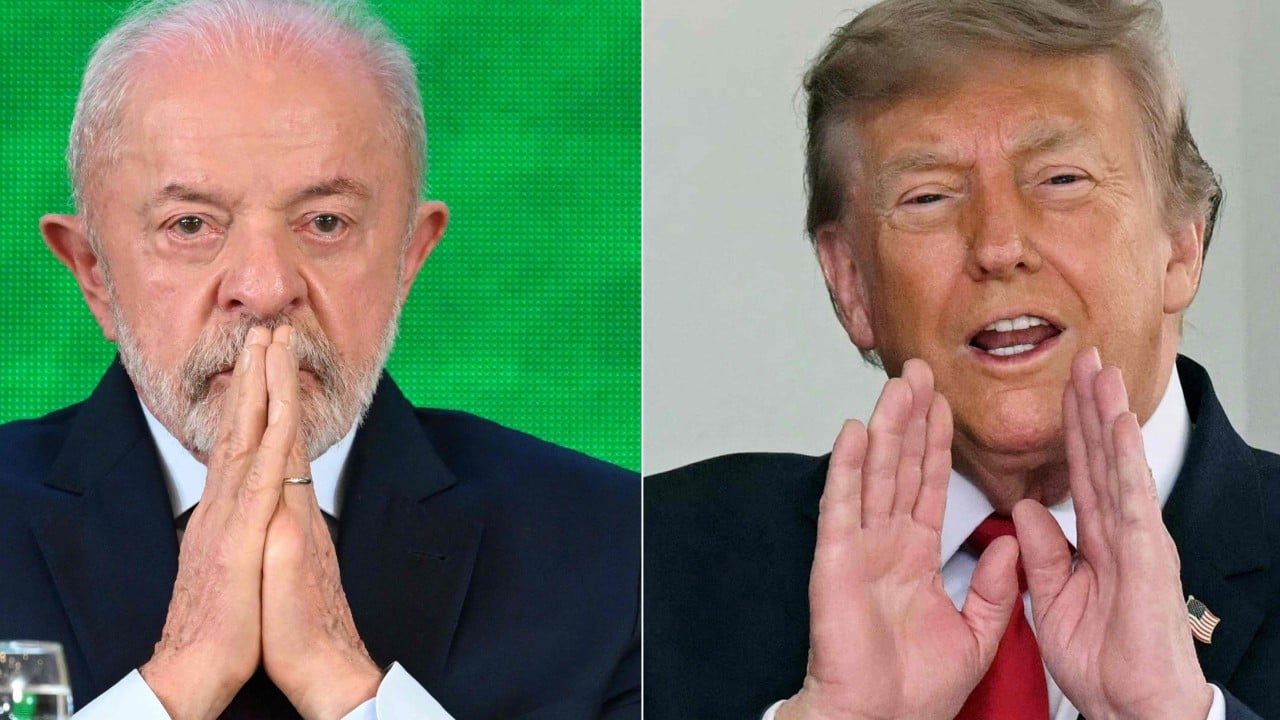
A recent gaffe at the Aids 2026 conference in Rio de Janeiro, where a US State Department presentation misidentified African nations on a map, serves as a potent symbol of the disconnect between Washington's stated intentions and its actual engagement with the continent. This embarrassment highlights a broader pattern of perceived distance, chaos, and transactional dealings in U.S.-Africa relations.
Despite pronouncements earlier this year by senior US officials about "resetting" relations and fostering "mutually beneficial partnerships," American policies often appear contradictory. While criticizing China's "debt traps," the U.S. itself employs punitive tariffs, restrictive visa policies, and selective interventions. This approach frequently prioritizes strategic interests over genuine partnership, as seen in feuds with regional powers like South Africa, interference in domestic affairs, or silence on humanitarian crises.
This pattern echoes historical U.S. foreign policy, particularly during the Cold War, when support for regimes was often dictated by narrow geopolitical considerations rather than the aspirations of African citizens. This legacy, critics argue, continues to influence current U.S. engagement.
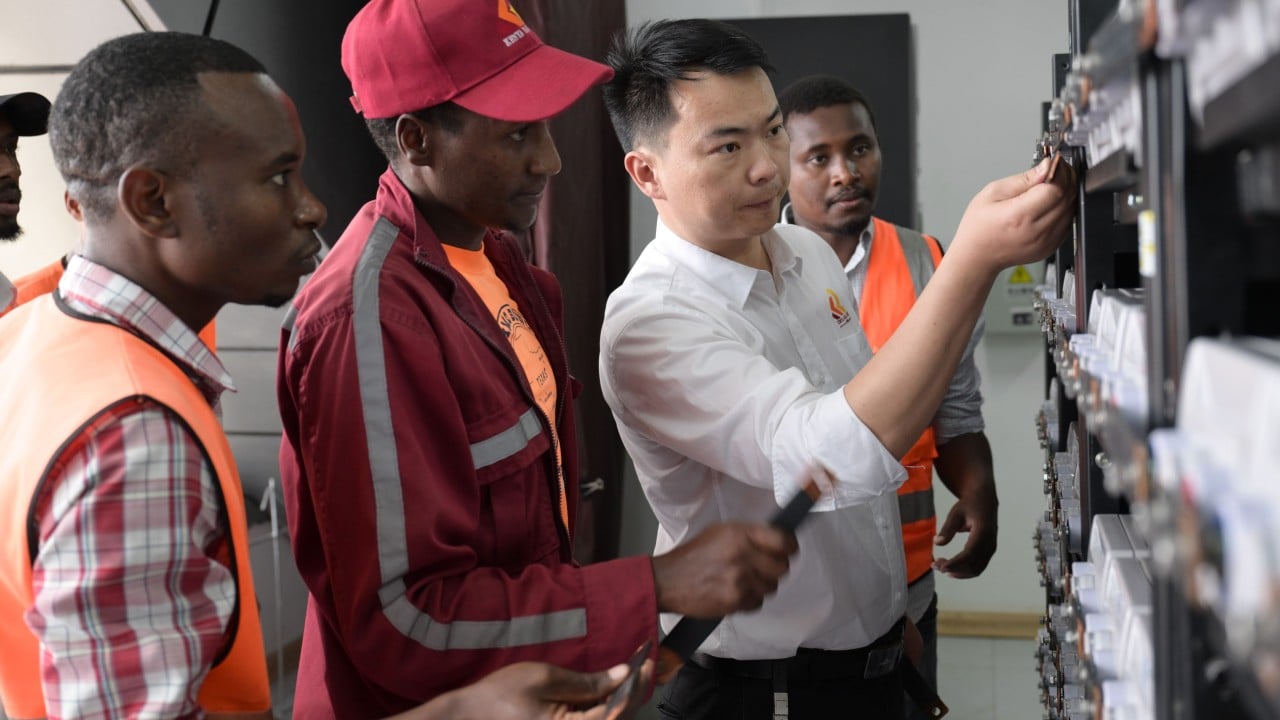
In stark contrast, China's approach is increasingly visible through tangible infrastructure projects, roads, railways, ports, and telecommunications, that are reshaping African economies. Beyond infrastructure, Beijing has provided direct benefits, such as high-yield rice strains to farmers in Nigeria and rapid medical aid to contain Ebola outbreaks in the Democratic Republic of Congo. This visible impact and consistent engagement are leading many in Africa to perceive China as a more reliable partner than the United States.
DistantNews Editorial
Originally published by South China Morning Post. Summarized and contextualized by our editorial team with added local perspective. Read our editorial standards.
More Stories

From Our Blog

Countries Without a Free Press: What You Need to Know

What Press Freedom Means for the News You Read

What Gets Lost (and Found) When News Is Translated

The Critical Role of Diaspora Media in Global News

What Travellers Should Know About Countries with Restricted Press
