


Africa now world’s hunger capital, as global hunger falls for third year
Summarized and contextualized by DistantNews.
At a glance
News
Official statement
Context piece
- Africa has become the epicenter of the global food crisis, with 309 million hungry people, surpassing Asia.
- Global hunger declined for the third consecutive year in 2025, but progress is too slow to meet the 2030 Sustainable Development Goal.
- Conflicts, extreme weather, and reduced aid threaten to reverse gains, potentially leaving over 510 million hungry by 2030.
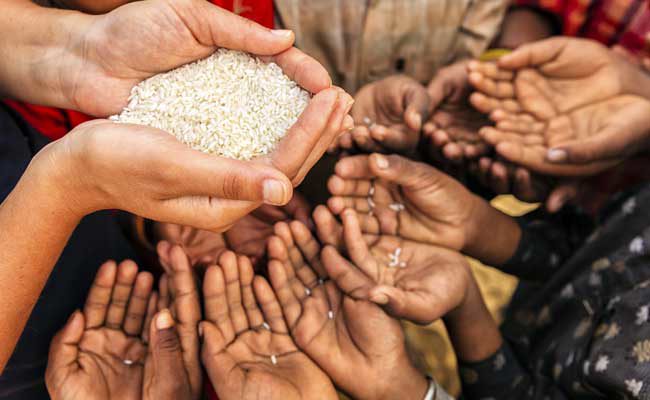
Africa is now the epicenter of the world's food crisis, with one in five Africans experiencing hunger in 2025, according to a new United Nations report. The continent accounts for the highest number of hungry people globally, with approximately 309 million, surpassing Asia's 292 million. The "State of Food Security and Nutrition in the World (SOFI)" report, released by five UN agencies, reveals that while global hunger dropped to 7.8% of the world's population in 2025, Africa's situation is dire, with over half its population facing moderate or severe food insecurity.
Globally, nearly 14 million fewer people experienced hunger in 2025 compared to the previous year, and 43 million fewer since 2022. However, the UN warns that this progress is fragile and insufficient to achieve the Sustainable Development Goal of ending hunger by 2030. The report estimates that 645 million people worldwide went hungry in 2025. Access to nutritious food remains a significant challenge, with 2.1 billion people experiencing food insecurity and nearly 2.7 billion unable to afford a healthy diet. In Africa, a staggering 66.6% of the population cannot afford healthy food.
The report shows that progress is possible, but we must move faster. Ending hunger and making healthy diets affordable requires political commitment, sustained investment and enabling policies.
Child and maternal nutrition indicators are also off track globally. Around 150 million children under five are stunted, and only 30.8% of infants aged six to 23 months receive a minimally diverse diet. Anaemia among women of reproductive age is worsening, and adult obesity has steadily increased. The UN agencies caution that ongoing conflicts, extreme weather events, shrinking humanitarian funding, and reduced official development assistance could reverse recent gains, potentially leaving between 510 million and 520 million people hungry by 2030.
FAO Director-General Qu Dongyu stated that the world has shown progress is achievable but must accelerate efforts. "Ending hunger and making healthy diets affordable requires political commitment, sustained investment and enabling policies." WHO Director-General Dr. Tedros Adhanom Ghebreyesus emphasized that despite declining hunger, healthy diets remain unaffordable for millions, underscoring the need for faster action.
While we welcome the clear progress we have made
DistantNews Editorial
Originally published by Vanguard. Summarized and contextualized by our editorial team with added local perspective. Read our editorial standards.
More Stories



From Our Blog

How the Same Story Looks Different in Different Countries

What Gets Lost (and Found) When News Is Translated

The Critical Role of Diaspora Media in Global News

What Travellers Should Know About Countries with Restricted Press

A Digital Nomad's Guide to Following Local News
