

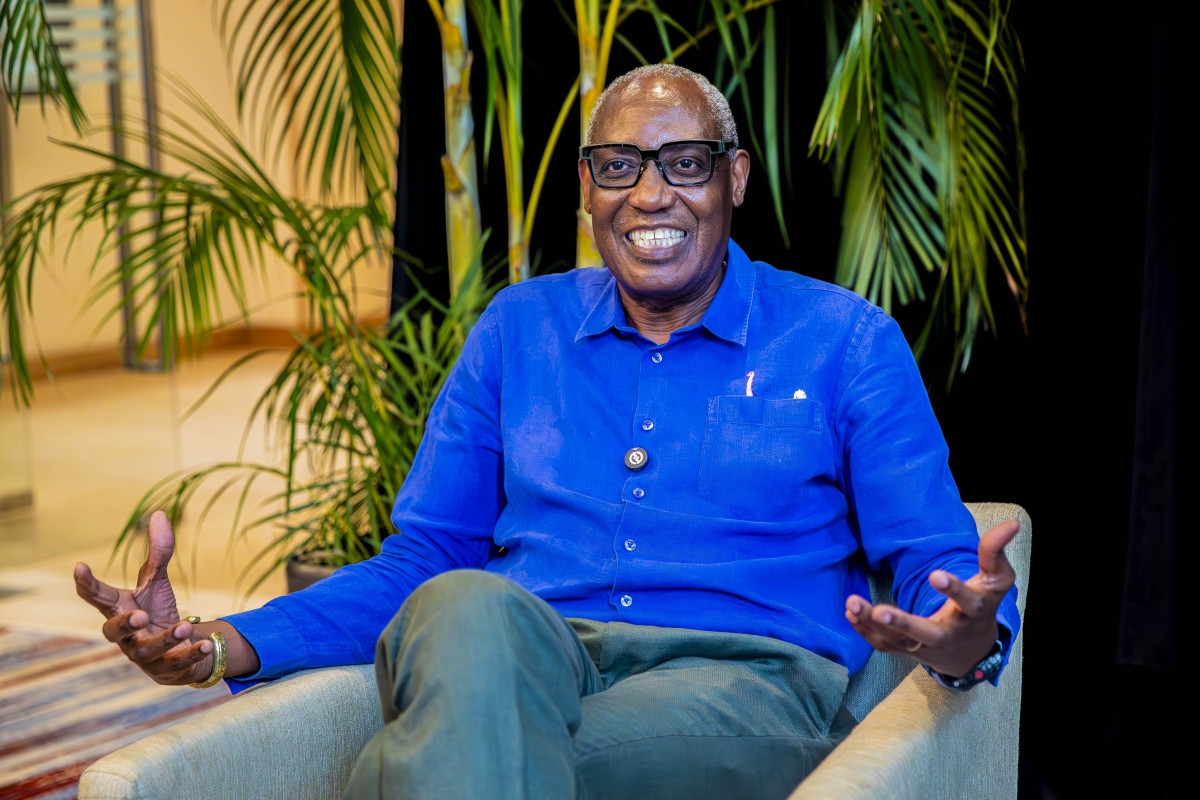
Africa's $400 trillion resource wealth fails to spur widespread development
Translated from English, summarized and contextualized by DistantNews.
At a glance
News
Sources not specified
Context piece
- Africa possesses vast mineral wealth estimated at $400 trillion, but this has not translated into widespread development across the continent.
- The African Development Bank acknowledges this paradox, highlighting the need for better resource management and investment.
- Challenges such as corruption, lack of infrastructure, and unstable governance hinder the effective utilization of these resources for sustainable development.
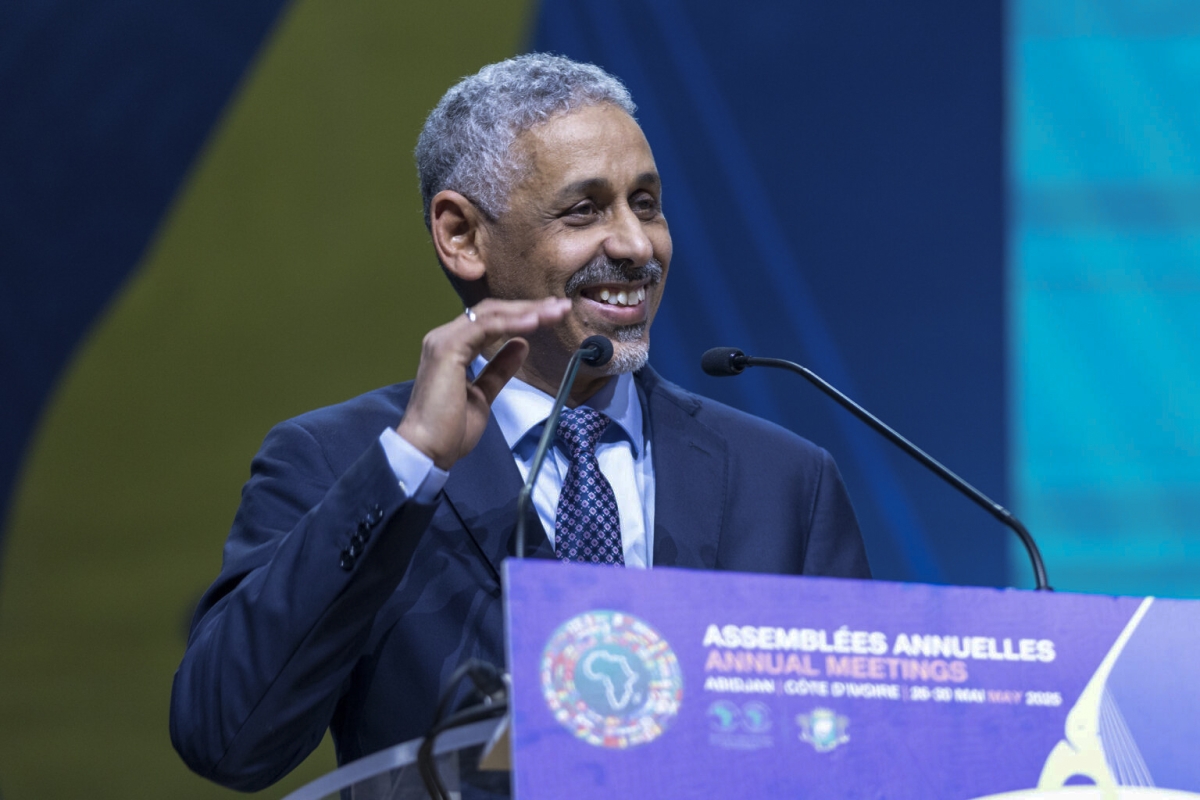
Africa's immense mineral wealth, estimated at a staggering $400 trillion, remains largely untapped in its potential to drive broad-based development across the continent. This stark paradox was highlighted by the African Development Bank (AfDB) Group President, Sidi Ould Tah, during the AfDB Annual Meetings in Brazzaville, Republic of Congo. Despite possessing abundant natural resources, many African nations struggle with economic underdevelopment, a situation that calls into question the effectiveness of resource governance and investment strategies. The continent's riches, ranging from oil and gas to precious metals and rare earth minerals, have historically benefited external actors more than the local populations. Experts point to a complex web of challenges that impede the transformation of resource wealth into tangible development gains. These include systemic corruption, inadequate infrastructure for extraction and processing, volatile political landscapes, and a lack of diversified economies that are overly reliant on commodity exports. Addressing this persistent issue requires a multi-faceted approach, focusing on strengthening institutions, promoting transparency, investing in value-addition industries, and fostering regional cooperation to ensure that Africa's vast resources are harnessed for the sustainable benefit of its people.
DistantNews Editorial
Originally published by The New Times in English. Translated, summarized, and contextualized by our editorial team with added local perspective. Read our editorial standards.
More Stories
From Our Blog

What Gets Lost (and Found) When News Is Translated

The Critical Role of Diaspora Media in Global News

What Travellers Should Know About Countries with Restricted Press

A Digital Nomad's Guide to Following Local News

How the Same Story Looks Different in Different Countries
