


Africa’s unfinished reckoning
Summarized and contextualized by DistantNews.
TLDR
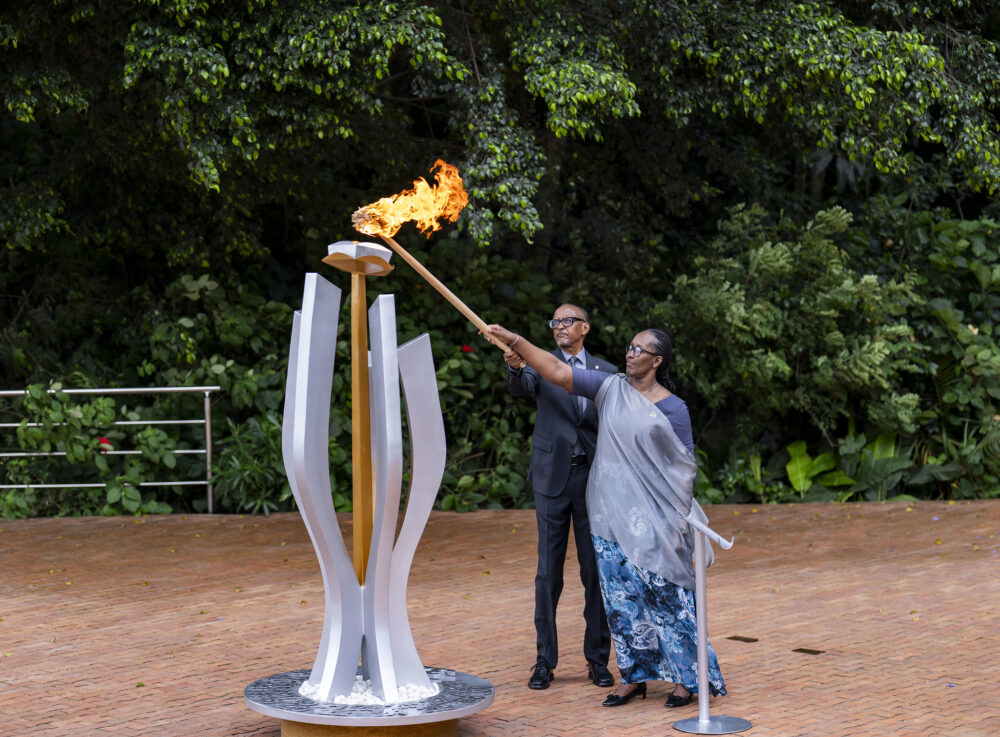
- Rwanda marked the 32nd anniversary of the 1994 Genocide against the Tutsi with the 'Walk to Remember' on April 7.
- The event serves as a solemn commemoration and a call for deeper reflection beyond ritualistic remembrance.
- While Rwanda carries the burden of memory, the article argues for greater continental engagement and understanding of the genocide across Africa, noting an "African intellectual deficit" in its internalization.
Thirty-two years on, Rwanda continues to lead the solemn commemoration of the 1994 Genocide against the Tutsi, a tragedy that forever altered the nation's trajectory. The annual 'Walk to Remember' on April 7 is more than just a ritual; it is a profound act of remembrance and a powerful call for introspection. It compels us to confront the uncomfortable truths and shared responsibility that accompany such immense loss of life.
Thirty-two years later, the memory of the genocide against the Tutsi remains not only a moment of mourning but a test of understanding.
As the United Nations marks the International Day of Reflection on this dark chapter, Rwanda stands firm in its commitment to ensuring the memory of the genocide is not only preserved but deeply understood. The nation has shouldered the immense burden of memory with remarkable resilience, a necessity born from survival and the arduous task of reconstruction. However, the article rightly points out that the work of understanding cannot remain solely a Rwandan endeavor. A tragedy of this magnitude demands a broader continental engagement, a shared intellectual and moral reckoning across Africa.
Commemoration, if it is to mean anything, must go beyond ritual. It must compel reflection — honest, uncomfortable and shared.
While acknowledging the vital contributions of individuals like Boubacar Boris Diop and Mahmood Mamdani in giving literary and political form to memory, the piece highlights a concerning "African intellectual deficit." The genocide is too often misconstrued as mere "ethnic conflict" in public discourse and educational curricula across the continent. This framing dangerously obscures the historical reality of pre-colonial Rwanda and the systematic nature of the extermination. It is imperative that African nations move beyond diplomatic solidarity and actively integrate the lessons of the genocide into their national consciousness, fostering a collective understanding that transcends borders and prevents future atrocities. This is not just Rwanda's history; it is a critical part of Africa's shared past and future.
The genocide is remembered, yet insufficiently internalised. It is acknowledged, yet not fully claimed.
DistantNews Editorial
Originally published by Mail & Guardian. Summarized and contextualized by our editorial team with added local perspective. Read our editorial standards.
More Stories


From Our Blog

What Gets Lost (and Found) When News Is Translated

The Critical Role of Diaspora Media in Global News

What Travellers Should Know About Countries with Restricted Press

A Digital Nomad's Guide to Following Local News

How the Same Story Looks Different in Different Countries
