


Africa spends $90 billion yearly on debt servicing, faces $75 billion risk premium
Translated from English and summarized by DistantNews. Read the original for the full story.
At a glance
News
Named sources
Context piece
- African countries spend about $90 billion annually on debt servicing, an amount exceeding combined aid and climate finance.
- An additional $75 billion is paid each year due to high risk premiums associated with African borrowing, described as a "trust tax."
- This financial burden forces difficult choices between debt repayment and essential spending on health, education, and climate resilience, hindering progress toward Sustainable Development Goals.
African nations are collectively spending approximately $90 billion each year to service their debts, a figure that surpasses the combined total of aid and climate finance received by the continent. This substantial expenditure is further inflated by an additional $75 billion paid annually as a risk premium on borrowing.
Korir Sing’oei, Kenya’s Principal Secretary for Foreign Affairs, highlighted these figures at the closing ceremony of the sixth African Conference on Debt and Development in Nairobi. He described the additional $75 billion as a "trust tax," emphasizing that the high risk premium attached to African borrowing, rather than frequent defaults, drives up costs.
Sing’oei explained that this significant financial pressure forces African governments into difficult choices. They must balance debt servicing obligations against crucial investments in health, education, and climate resilience. This situation directly impedes the continent's ability to achieve the estimated $1.3 trillion annually required to meet the Sustainable Development Goals.
Africa pays $90 billion a year in debt service. That is more than aid and climate finance combined.
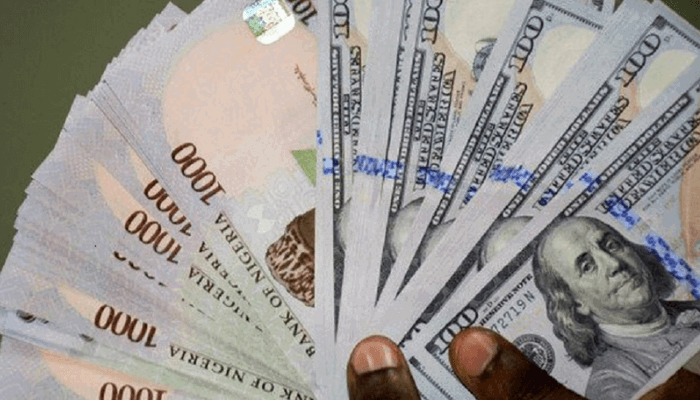
The situation is starkly illustrated in Nigeria, where the government reported incurring N10.61 trillion in additional debt-servicing costs between June 2023 and December 2025. This amount significantly exceeded the N6.47 trillion spent on strategic infrastructure during the same period. The majority of this additional cost, N9.37 trillion, was linked to the depreciation of the naira against foreign currencies, impacting external debt servicing. Higher interest rates contributed an additional N1.24 trillion to domestic debt-service costs.
Nigeria's Finance Minister, Taiwo Oyedele, acknowledged the burden imposed by economic reforms contributing to these costs. The Nigerian government attributed the rise in external debt-service costs largely to the naira's depreciation following foreign exchange reforms, while increased monetary policy rates drove up the cost of domestic borrowing. Sing’oei stressed that the cost of capital has become a critical foreign policy issue for Africa, requiring attention beyond finance ministries and national treasuries.
This Africa risk premium forces an unpleasant choice between servicing expensive debt and investing in the health, education and climate resilience of our people.
About this summary
Originally published by Premium Times in English. Translated, summarized, and contextualized automatically by DistantNews, with a note on how the source frames the story. Not individually reviewed before publishing. How this works.
More Stories


From Our Blog

How the Same Story Looks Different in Different Countries

What Gets Lost (and Found) When News Is Translated

The Critical Role of Diaspora Media in Global News

What Travellers Should Know About Countries with Restricted Press

A Digital Nomad's Guide to Following Local News
