




After state election, Saxony-Anhalt CDU prepares for leadership overhaul
Translated from German and summarized by DistantNews. Read the original for the full story.
At a glance
News
Named sources
Ongoing story
- Saxony-Anhalt’s CDU plans to elect a new state executive in late November or early December after a major election defeat, while Bundestag member Sepp Müller seeks the party chairmanship.
- The CDU’s parliamentary group fell from 40 to 15 members, and its leadership could also change.
- The AfD won 43.8% of the vote but lacks an outright majority, leaving government formation dependent on support from other parties.
Saxony-Anhalt’s CDU is preparing for a major personnel overhaul after an election result that left the party far behind the AfD. State chairman and Minister-President Sven Schulze announced a new election for the CDU’s state leadership in late November or early December. Bundestag member Sepp Müller said he would run for chairman.
Schulze’s own political future remains uncertain. Asked whether he planned to seek the chairmanship again, he replied: “It is not my plan at the moment.” The AfD won 43.8% of the vote in Sunday’s state election, compared with 17.2% for the CDU.
It is not my plan at the moment.
The CDU parliamentary group has also been sharply reduced, from 40 lawmakers to 15. At its first meeting, it will elect a new group leadership. Participants said a contested vote could take place between the current parliamentary leader, Guido Heuer, and Harz district lawmaker Ulrich Thomas. The group also needs a new parliamentary managing director because Andreas Schumann lost his seat.
Thomas did not deny that he was considering a bid when reporters asked him before the CDU state executive meeting in Magdeburg. “I will sleep on it for another night,” he said. A change at the top of the parliamentary group would form part of the wider reshuffle now under way in the CDU.
I will sleep on it for another night.
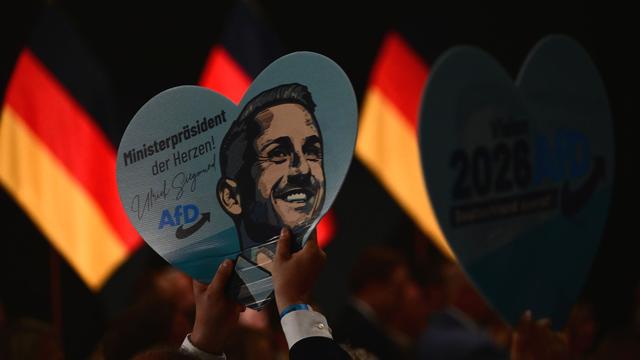
The election also brought the Sahra Wagenknecht Alliance, or BSW, into the state parliament for the first time. That result prevented the AfD from securing an absolute majority and could make coalition building difficult. The state’s domestic intelligence agency classifies the AfD as right-wing extremist, and the party could take power only with support from elsewhere. If three lawmakers from other groups backed AfD lead candidate Ulrich Siegmund, he could be elected minister-president in the first round.
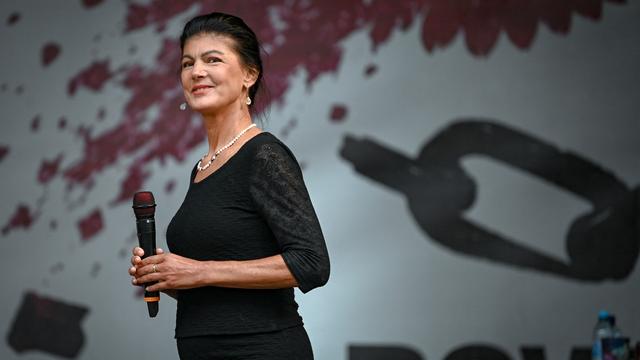
The BSW said after the election that it was prepared to help Siegmund take office. Its leadership follows the line of party founder Sahra Wagenknecht, who said the events that led to the BSW’s collapse in Thuringia would not be repeated. The party had already faced fierce internal personnel disputes in Saxony-Anhalt in November 2025.
What happened in Thuringia will not be repeated.
About this summary
Originally published by Die Zeit in German. Translated, summarized, and contextualized automatically by DistantNews, with a note on how the source frames the story. Not individually reviewed before publishing. How this works.
More Stories
From Our Blog

News in Translation: What Gets Lost, and How We Keep the Framing

The Same Story, Different Countries: How Coverage Changes at the Border

Diaspora Media: How Communities Follow News From Home

Traveling Where the Press Is Not Free: How to Read the News There

The Digital Nomad's Guide to Local News
