



After the Flash Flood Disaster: Nepal’s Road to Healing
Translated from Vietnamese and summarized by DistantNews. Read the original for the full story.
At a glance
In-depth
Named sources
Ongoing story
- A glacier collapse at Langtang Lirung on August 26 triggered a debris-driven flash flood that destroyed settlements and isolated remote areas in several Nepalese districts.
- By September 3, the official death toll had exceeded 1,000, while nearly 4,000 people remained missing, including residents and travelers from multiple countries.
- The disaster struck during the autumn climbing season, a major pilgrimage period and peak travel to Tibet, turning a remote mountain disaster into an international crisis.
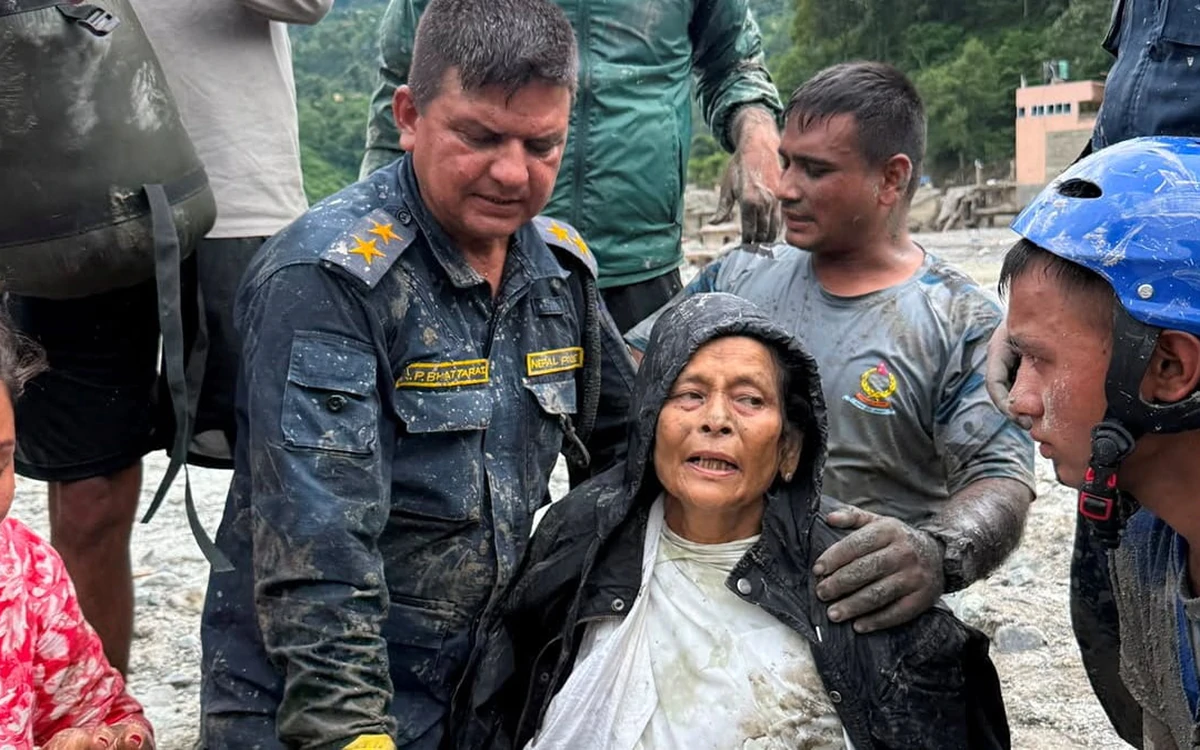
At 8:37 a.m. on August 26, a catastrophic glacier collapse struck Langtang Lirung. The flash flood that followed, driven by ice and rock debris and accompanied by blocked waterways and dam failures, swept through settlements in Rasuwa, Nuwakot and Dhading.
Remote areas along the upper Trishuli River and Gosainkunda were cut off. The timing made the disaster even more destructive. It came as the autumn climbing season began and during the peak of travel to Tibet, only two days before a major full-moon pilgrimage on August 28.
Thousands of Hindu, Buddhist and animist pilgrims had already begun traveling toward the sacred high-altitude lakes of Gosainkunda. Indian pilgrims were heading toward Mansarovar through the Rasuwa-Kerung border, while hundreds of international tourists were traveling overland into Tibet.
As rivers swallowed trails, Nepal’s tourism authorities reported that 644 travelers in the area had lost contact. The missing included citizens of India, Nepal, the United States, Ukraine, Malaysia, Australia, Britain, Canada, Singapore, Russia, Germany, Latvia and South Africa. Authorities cautioned that the figure did not necessarily mean all were dead. Some people could simply have been stranded without phone service, particularly those who had crossed into China, where restrictions on communications blocked contact.
By September 3, the official death toll had passed 1,000 and nearly 4,000 people were still missing. Concrete bridges had been washed away or smashed, homes had disappeared, and once-busy mountain communities had become silent expanses of gray mud. The author frames the disaster as Nepal’s second catastrophe in a year: after the smoke and political upheaval of the 2025 protests, the country is now confronting the accelerating violence of the climate crisis.
About this summary
Originally published by Tuổi Trẻ in Vietnamese. Translated, summarized, and contextualized automatically by DistantNews, with a note on how the source frames the story. Not individually reviewed before publishing. How this works.
More Stories

From Our Blog

News in Translation: What Gets Lost, and How We Keep the Framing

Diaspora Media: How Communities Follow News From Home

Traveling Where the Press Is Not Free: How to Read the News There

The Digital Nomad's Guide to Local News

The Same Story, Different Countries: How Coverage Changes at the Border
