


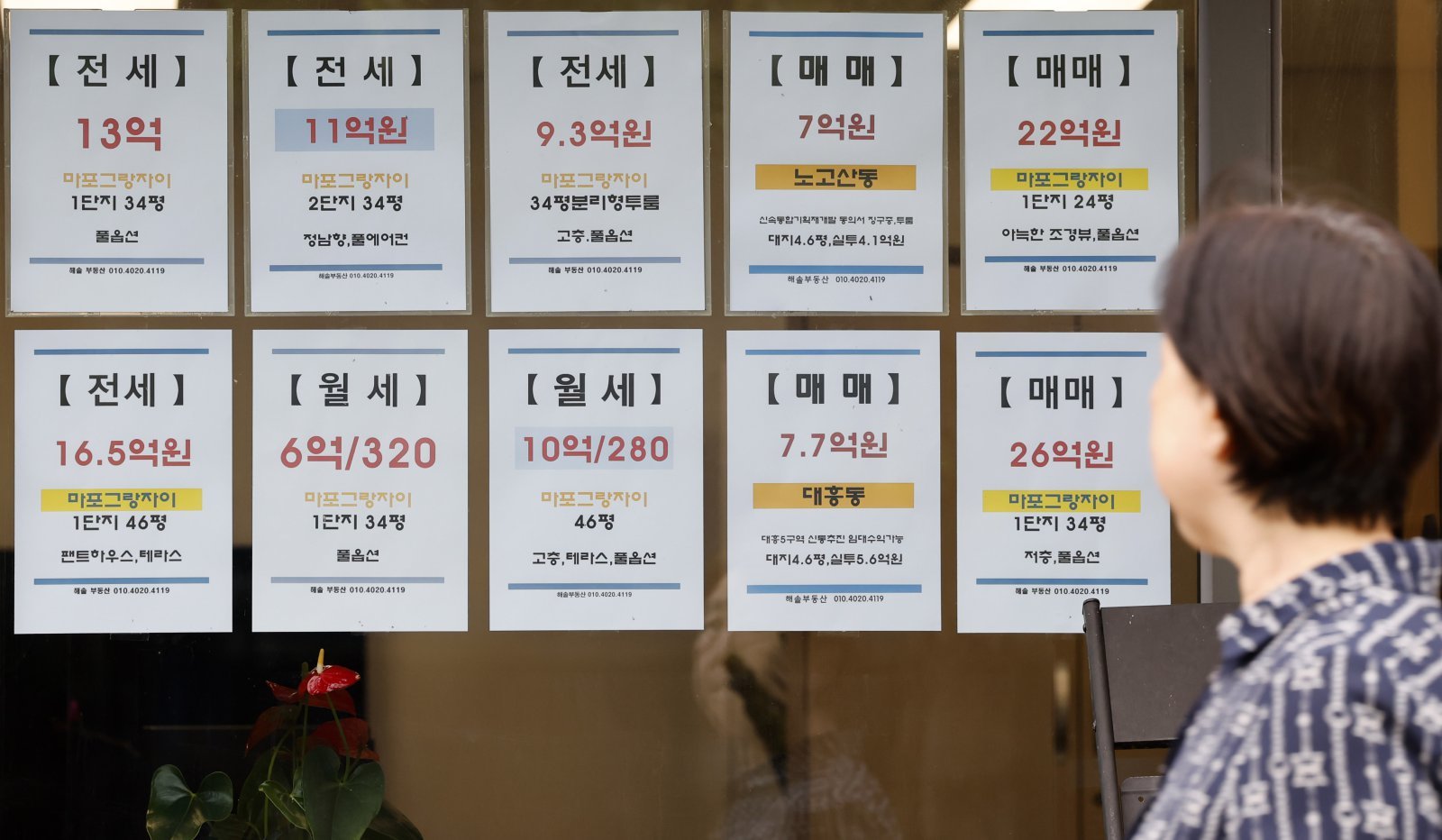
Agent liable for fraud losses: Supreme Court
Translated from Korean, summarized and contextualized by DistantNews.
At a glance
News
Sources not specified
Outcome reported
- The Supreme Court ruled that a real estate agent must compensate a loan company for losses incurred due to a fraudulent contract.
- The agent failed to verify the homeowner's consent and used a forged seal when creating a lease agreement for a scammer.
- The court found the agent negligent, stating their actions facilitated the scammer's fraud.
South Korea's Supreme Court has ruled that a real estate agent must bear responsibility for losses suffered by a loan company after facilitating a fraudulent lease agreement. The ruling holds the agent liable for negligence in a case involving a scammer who posed as a homeowner.
Jung's act of issuing a lease agreement without brokerage activity is a violation of the duty of care of a real estate agent under the Public Real Estate Agents Act.
The case centered on a fraudulent scheme where a group created fake lease agreements using forged documents to obtain loans. The loan company, A, lent 100 million won to an individual, B, based on a forged lease agreement for an apartment in Busan's Gijang-gun. The agent, identified as Jung, created this lease agreement for 140 million won in November 2020.
Crucially, Jung reportedly accepted B's word that he had the homeowner's consent and used a seal provided by B to stamp the contract, without verifying the homeowner's seal certificate. The loan company A sought compensation from Jung, arguing his negligence as a licensed agent contributed to their financial loss. While lower courts had initially ruled against A, the Supreme Court overturned this, stating Jung's actions, which involved creating the lease agreement without proper due diligence and without the homeowner's explicit consent, violated his professional duties and aided the fraud.
This can be evaluated as aiding the fraud by facilitating the loan fraud committed by B and others.
The Supreme Court acknowledged that Jung might have been deceived by the organized criminal group. However, it emphasized that his failure to properly verify the homeowner's identity and consent, and his use of a non-official seal, constituted a breach of duty. The court remanded the case for further review, considering the possibility of limiting Jung's liability due to the circumstances.
It appears that Jung also signed the contract after being deceived by the organized and planned criminal act of B and his associates. There is room to consider this as a reason for limiting the liability for damages.
DistantNews Editorial
Originally published by Dong-A Ilbo in Korean. Translated, summarized, and contextualized by our editorial team with added local perspective. Read our editorial standards.
More Stories


From Our Blog

What Gets Lost (and Found) When News Is Translated

The Critical Role of Diaspora Media in Global News

What Travellers Should Know About Countries with Restricted Press

A Digital Nomad's Guide to Following Local News

How the Same Story Looks Different in Different Countries
