

/nginx/o/2025/07/02/16969293t1hb3b5.jpg)
/nginx/o/2026/05/15/17640045t1hbec2.jpg)
Agricultural crisis deepens in Estonia as state seeks ways to support producers
Translated from Estonian, summarized and contextualized by DistantNews.
At a glance
News
Sources not specified
New plan
- Estonian farmers face a deepening crisis due to rising fertilizer and fuel costs, totaling approximately 70 million euros.
- Estonia received only 3.1 million euros in EU crisis aid, leaving the government to find additional funds from a strained national budget.
- Farmers are concerned about the financial impact on autumn preparations, spring sowing decisions, and their ability to remain profitable and meet environmental demands.
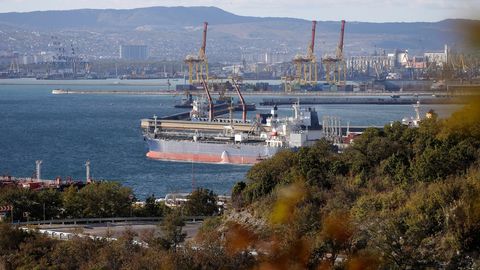
Estonian farmers are grappling with a severe agricultural crisis, primarily driven by escalating fertilizer and fuel prices. Olav Kreen, head of Rabaveere Farm, stated that the "crisis stemming from the carbon tax is greater than the Hormuz Strait crisis." He attributes the surge in fertilizer costs directly to European Union policies. For farmers like Kreen, who cultivates winter wheat, barley, rapeseed, rye, beans, and peas across 500 hectares, these increased input costs threaten profitability, investment capabilities, and the ability to comply with new environmental regulations.
The financial strain is significant, with overall costs for farmers rising by roughly 70 million euros. However, the aid provided by the European Union as crisis support amounts to only 3.1 million euros for Estonia. This leaves the national government in a difficult position, needing to allocate additional funds from an already tight state budget to support the agricultural sector.
The looming autumn season, when farmers must prepare for the next planting cycle, adds urgency to the situation. Decisions about what crops to sow and in what quantities for the spring will be heavily influenced by the current financial pressures. The sector's ability to remain competitive and sustainable is at stake, with farmers calling for government intervention to alleviate the burden.
The crisis stemming from the carbon tax is greater than the Hormuz Strait crisis. The European Union itself created this rise in fertilizer prices.
DistantNews Editorial
Originally published by Postimees in Estonian. Translated, summarized, and contextualized by our editorial team with added local perspective. Read our editorial standards.
More Stories
/nginx/o/2026/07/01/17752194t1h3a6a.jpg)
From Our Blog

What Gets Lost (and Found) When News Is Translated

The Critical Role of Diaspora Media in Global News

What Travellers Should Know About Countries with Restricted Press

A Digital Nomad's Guide to Following Local News

How the Same Story Looks Different in Different Countries
