


Agro exports crash 31% as port delays, pesticides trigger global rejections
Summarized and contextualized by DistantNews.
At a glance
News
Documents & data
Context piece
- Nigeria's agricultural exports dropped 31.2% in Q1'26 due to port delays, excessive pesticide use, and failed phytosanitary certifications, leading to international rejections.
- Experts warn that poor post-harvest handling and systemic failures are damaging the 'Made-in-Nigeria' agro brand and threatening market access.
- The decline mirrors a global trend of stricter food safety standards, with the FAO allocating funds to help developing countries comply.
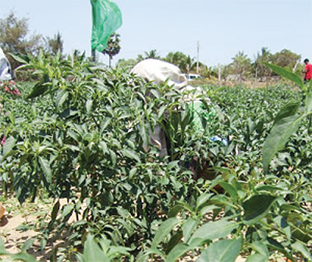
Nigeria's agricultural export sector is facing a significant crisis, with a 31.2 percent decline recorded in the first quarter of 2026. This sharp drop, from N1.704 trillion in Q1'25 to N1.172 trillion in Q1'26, is attributed to a confluence of issues including prolonged port delays, excessive pesticide application, outdated chemical preservatives, and a failure to secure necessary phytosanitary certifications. These factors have resulted in a growing number of rejections for Nigerian farm produce in international markets.
Agricultural value chain experts are sounding the alarm, stating that systemic failures, exacerbated by poor post-harvest handling, are rapidly eroding the competitiveness of Nigeria's agro products. The 'Made-in-Nigeria' brand is suffering, and the country's access to premium global markets is under threat. Stakeholders are urgently calling for a comprehensive overhaul of farming practices at the grassroots level, improvements in quality assurance systems, and streamlined border logistics to combat the escalating wave of export rejections.
Impact depends on implementation – without implementation these standards cannot achieve their intended benefits.
The National Bureau of Statistics data indicates that key agricultural exports like Superior Quality Cocoa Beans, Sesame Seeds, and Soya Beans remain significant, with Asia and Europe as the primary destinations. However, this domestic downturn occurs within a broader global context of increasingly stringent food safety standards. The Food and Agriculture Organization (FAO) is actively supporting developing countries in meeting these requirements, emphasizing that confidence in global food trade hinges on effective implementation of these standards.
FAO Director-General Qu Dongyu highlighted that international food standards contribute beyond safety, fostering trust, reducing waste, and creating more competitive and equitable markets. He stressed that the impact of these standards depends entirely on their implementation. The situation in Nigeria underscores the critical need for domestic reforms to align with global expectations and salvage the country's agricultural export potential.
Impact depends on implementation – without implementation these standards cannot achieve their intended benefits.
DistantNews Editorial
Originally published by Vanguard. Summarized and contextualized by our editorial team with added local perspective. Read our editorial standards.
More Stories


From Our Blog

How the Same Story Looks Different in Different Countries

What Gets Lost (and Found) When News Is Translated

The Critical Role of Diaspora Media in Global News

What Travellers Should Know About Countries with Restricted Press

A Digital Nomad's Guide to Following Local News
