


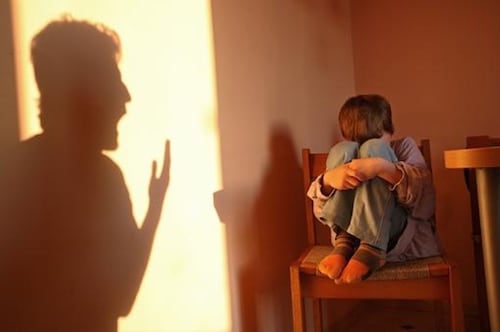
Aguascalientes Enacts 'Slipper Law,' Banning Physical and Humiliating Punishment of Children
Translated from Spanish, summarized and contextualized by DistantNews.
At a glance
News
Official statement
Approved/passed
- Aguascalientes has enacted the "Ley Chancla," prohibiting physical or humiliating punishments against children.
- The law bans actions like hitting, pushing, pinching, biting, or pulling hair/ears, as well as forcing uncomfortable postures or causing pain.
- Authorities are obligated to ensure children's rights are respected, with violations potentially leading to administrative and criminal repercussions.
Aguascalientes has officially banned physical and humiliating punishments against children with the implementation of the "Ley Chancla" (Slipper Law). The new legislation, which took effect on Tuesday, explicitly prohibits any form of corporal punishment or degrading treatment towards minors.
The reform to the Law on the Rights of Girls, Boys, and Adolescents for the State of Aguascalientes, published on July 6, 2026, details prohibited actions. These include any act involving physical force, such as hitting with hands or objects, pushing, pinching, biting, or pulling hair or ears. The law also forbids forcing children into uncomfortable positions, inflicting burns, or making them ingest hot substances, or any other act intended to cause pain or discomfort, even if mild.
This prohibition applies across all environments where minors are present, including homes, schools, parks, and public institutions. Article 46 of the law further mandates that no form of violence, particularly corporal, physical, or humiliating punishment, can be exercised against children through any means or manifestation.
Local and state authorities are now tasked with guaranteeing the respect, protection, promotion, and defense of children's rights within their respective jurisdictions. Failure to comply with these provisions could result in administrative and criminal penalties under existing state laws.
DistantNews Editorial
Originally published by El Universal in Spanish. Translated, summarized, and contextualized by our editorial team with added local perspective. Read our editorial standards.
More Stories


From Our Blog

What Press Freedom Means for the News You Read

What Gets Lost (and Found) When News Is Translated

The Critical Role of Diaspora Media in Global News

What Travellers Should Know About Countries with Restricted Press

A Digital Nomad's Guide to Following Local News
