


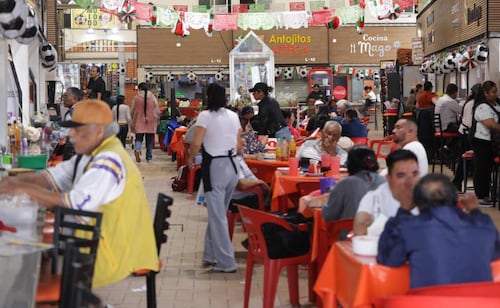
World Cup 2026: Mexico City Market Vendors Struggle with English Classes
Translated from Spanish, summarized and contextualized by DistantNews.
At a glance
News
Sources not specified
Context piece
- Vendors at the Huipulco Market in Mexico City received English classes to serve foreign visitors during the 2026 World Cup.
- Many vendors found the classes ineffective, with some resorting to translation apps or relying on Spanish speakers.
- Despite communication challenges, several vendors reported doubled sales and even received tips in foreign currencies.
Vendors at the Huipulco Market in Mexico City underwent English language training in preparation for serving international tourists during the 2026 World Cup. However, many participants found the classes fell short of their expectations, struggling to retain the language skills. María del Carmen, who runs one of the market's eateries, stated, “I didn’t learn, they gave us the classes but nothing stuck.”
Instead of relying on their newly acquired English, some vendors turned to alternative communication methods. María del Carmen utilized the “Huevito” app provided by the Secretariat of Economic Development (Sedeco), but found it slow and impractical when dealing with customers seeking quick service. "It's very difficult because they (foreigners) want to be served quickly, they don't wait. By the time I look at the app and see what they want, it takes time. You can't serve them as they should be served," she explained.
Despite the communication hurdles, the influx of foreign visitors proved beneficial for business. Julio Navarro, another vendor, noted that while the classes were infrequent and short, he managed to serve a 30% foreign clientele. Mrs. Sara, whose eatery bears her name, had her son act as an interpreter and translated her menu. Her sales reportedly doubled during the World Cup events, with one customer leaving a generous tip in U.S. dollars, Colombian pesos, and Chinese yuan.
Sedeco reported that over 228 individuals received English language training as part of the market's reopening initiative. While the formal training had limited success for many, the vendors adapted, leveraging technology and personal assistance to engage with international customers, ultimately capitalizing on the economic opportunities presented by the global sporting event.
DistantNews Editorial
Originally published by El Universal in Spanish. Translated, summarized, and contextualized by our editorial team with added local perspective. Read our editorial standards.
More Stories

From Our Blog

What Press Freedom Means for the News You Read

What Gets Lost (and Found) When News Is Translated

The Critical Role of Diaspora Media in Global News

What Travellers Should Know About Countries with Restricted Press

A Digital Nomad's Guide to Following Local News
