


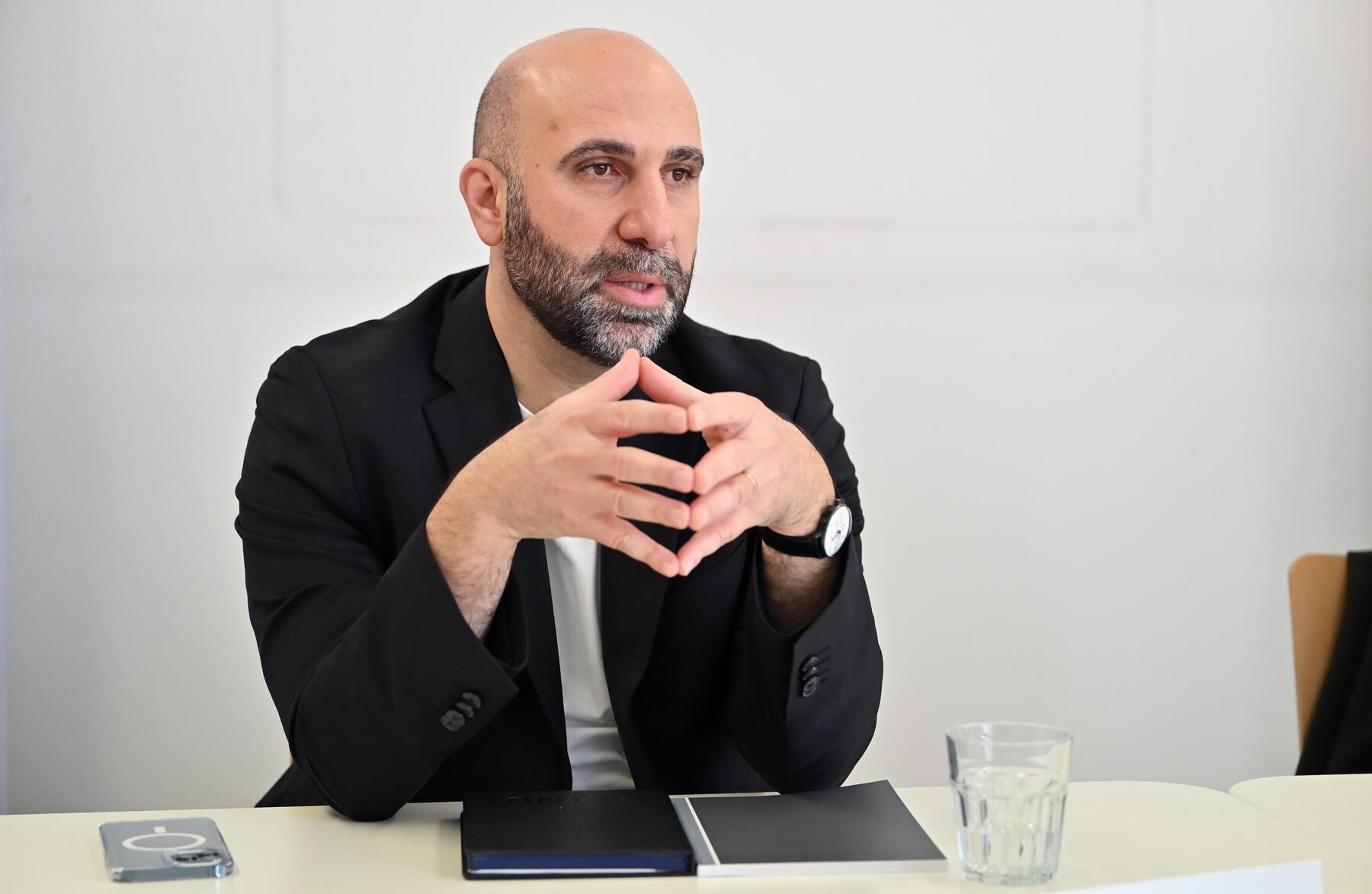
Ahmad Mansour: 'I think very little of the city of Vienna's approach'
Translated from German, summarized and contextualized by DistantNews.
At a glance
Interview
Sources not specified
Context piece
- Ahmad Mansour, a psychologist, criticizes Vienna's integration courses, calling them "great and necessary" but insufficient.
- He argues that the city's approach to religious freedom, particularly regarding headscarves for children and Ramadan in schools, is problematic.
- Mansour expresses concern over a survey showing Viennese youth becoming more radicalized, with a significant portion prioritizing Sharia law over state laws.
Psychologist Ahmad Mansour described integration courses offered by the city of Vienna as "great and necessary," providing essential orientation for immigrants. However, he believes these courses do not go far enough in addressing the uncertainties faced by newcomers, particularly concerning societal expectations around issues like sexuality, religious freedom, and antisemitism.
Mansour specifically addressed the perception of religious freedom in Austria, questioning the implications of the ban on headscarves for children under 14. He stated that religious freedom is not a one-way street and that the mandatory wearing of headscarves by children is theologically unjustifiable. He also voiced support for the ban, emphasizing the importance of child welfare and the psychological impact on young children.
The discussion also touched upon Ramadan observances in schools. Mansour argued that the strict fasting, especially during summer months when students can become ill, is also theologically unfounded. He stressed the need for a broader debate on the extent of religious practices permitted in state schools, highlighting instances where Muslim students exert pressure on non-religious peers, which he categorized as bullying rather than religious freedom.
Referencing a recent survey on the attitudes of Viennese youth, Mansour expressed alarm at findings indicating increased radicalization rather than religiosity. He pointed to the statistic that 41 percent of respondents consider Sharia law more important than state laws as a "huge problem." Mansour suggested that society should not be surprised by such results, as previous studies have shown similar trends, particularly exacerbated since the Hamas attack on Israel on October 7.
DistantNews Editorial
Originally published by Die Presse in German. Translated, summarized, and contextualized by our editorial team with added local perspective. Read our editorial standards.
More Stories


From Our Blog

What Gets Lost (and Found) When News Is Translated

The Critical Role of Diaspora Media in Global News

What Travellers Should Know About Countries with Restricted Press

A Digital Nomad's Guide to Following Local News

How the Same Story Looks Different in Different Countries
