


AHWA and Trust: Restoring NU's Dignity
Translated from Indonesian and summarized by DistantNews. Read the original for the full story.
At a glance
Analysis
Sources not specified
Context piece
- KH Ma’ruf Amin urges Nahdlatul Ulama (NU) members to select the best scholars for the Ahlul Halli wal Aqdi (AHWA) body, emphasizing integrity and conscience over external influence.
- The author stresses the importance of choosing leaders based on their overall benefit and minimal harm to NU, the community, and the nation, rather than personal preference or material gain.
- The article warns against transactional politics within the NU leadership selection process, whether through direct voting or the AHWA mechanism, advocating for the preservation of NU's integrity.
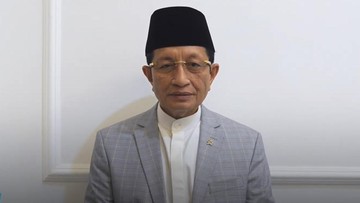
KH Ma’ruf Amin, a prominent scholar and Mustasyar of the Nahdlatul Ulama Central Board (PBNU), has issued a critical message for NU members as they approach the 35th NU Congress in Tambakberas. He emphasizes that the Ahlul Halli wal Aqdi (AHWA) body, responsible for selecting key leadership, must comprise the best scholars. These individuals should possess strong scholarly capacity, exhibit piety, resist undue influence, and make decisions based on conscience rather than the dictates or interests of specific groups. Amin specifically advises choosing those who are "most excellent among those available" and warns against the corrupting influence of money politics within the NU's electoral processes.
The author of the article underscores Amin's message as a vital call to preserve the dignity and integrity of NU. The responsibility placed upon AHWA members is immense, requiring them to prioritize the overall welfare of the organization. The article advocates for a realistic approach to leadership selection, acknowledging that no candidate is perfect. Instead of seeking an unblemished individual, the focus should be on identifying the candidate who offers the greatest benefit and the least potential harm to NU, its followers, and the nation.
AHWA must be filled by the best scholars, have scholarly capacity, be pious, not easily influenced by bad interests, and choose based on conscience, not orders or the interests of certain parties.
Drawing from Islamic jurisprudence, the article invokes the principles of "averting harm takes precedence over attracting benefit" and "a leader's actions towards their subjects must be based on benefit." These principles guide the argument that leadership decisions should not be swayed by personal likings, group pressures, or financial incentives. The paramount question should be: Who will bring the most benefit to NU as a whole and pose the least risk?
Furthermore, the article cautions against viewing the AHWA as a new arena for transactional politics. The mechanism for electing the General Chairman, which may be decided at the Congress, could be either direct voting or through AHWA. Rais Aam KH Miftachul Akhyar has stated that this decision rests with the Congress attendees. The piece warns that if the AHWA mechanism is strengthened, it must be protected from the pitfalls of transactional politics, suggesting that the influence of money politics feared in direct elections should not simply shift to influencing AHWA members.
The decision of a leader towards the people must depend on the benefit.
About this summary
Originally published by Republika in Indonesian. Translated, summarized, and contextualized automatically by DistantNews, with a note on how the source frames the story. Not individually reviewed before publishing. How this works.
More Stories


From Our Blog

What Gets Lost (and Found) When News Is Translated

The Critical Role of Diaspora Media in Global News

What Travellers Should Know About Countries with Restricted Press

A Digital Nomad's Guide to Following Local News

How the Same Story Looks Different in Different Countries
