


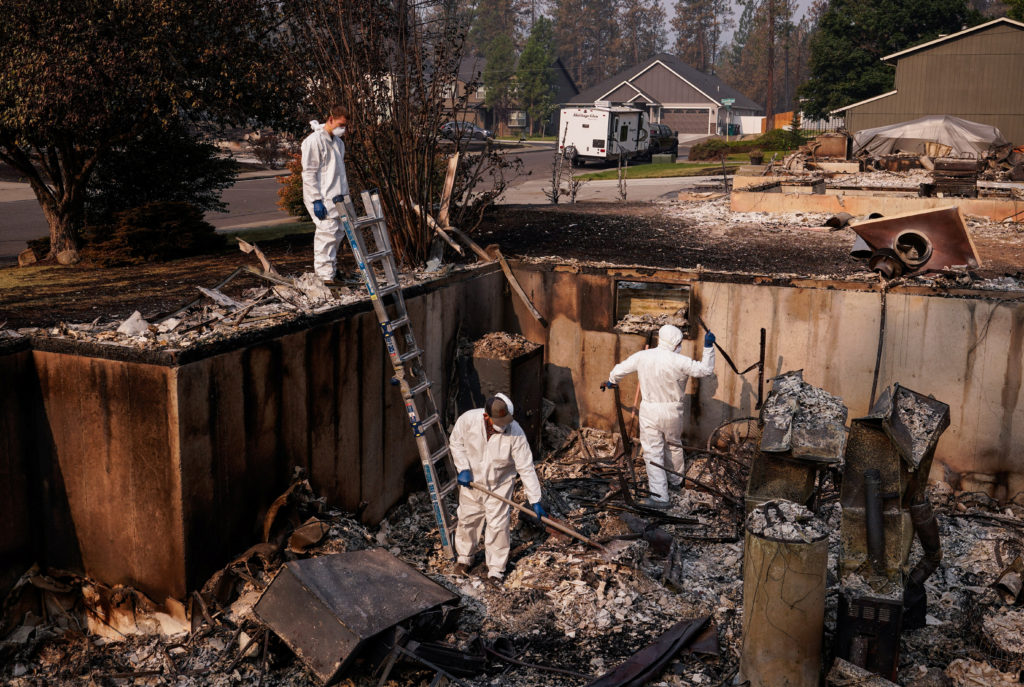
AI and Satellites Detect Wildfires Early to Prevent Escalation
Translated from English, summarized and contextualized by DistantNews.
At a glance
News
Sources not specified
Context piece
- The U.S. is experiencing one of its worst wildfire seasons in at least a decade, with more fires and larger areas burned than usual.
- Fire seasons are lengthening, making early detection of wildfires crucial.
- Artificial intelligence and satellite technology are being employed to spot fires faster and prevent them from escalating.
The United States is grappling with an exceptionally severe wildfire season, marking one of the worst in at least ten years. Current statistics show an increase in both the number of fires and the total acreage consumed compared to this point in previous years. As fire seasons extend, the ability to detect these blazes in their early stages becomes paramount.
This escalating crisis is driving innovation in detection methods. Advanced technologies, including satellite imagery and artificial intelligence (AI) powered cameras, are now being deployed to identify wildfires more rapidly. The goal is to catch fires when they are small and manageable, thereby preventing them from growing into uncontrollable infernos.
Climate Central, in a report featured by PBS NewsHour's series 'Tipping Point,' is highlighting these technological advancements. The series focuses on critical environmental issues and potential solutions. The use of AI in spotting fires faster represents a significant effort to mitigate the impact of increasingly frequent and intense wildfires, a trend exacerbated by longer, hotter fire seasons.
DistantNews Editorial
Originally published by PBS NewsHour in English. Translated, summarized, and contextualized by our editorial team with added local perspective. Read our editorial standards.
More Stories


From Our Blog

How the Same Story Looks Different in Different Countries

What Gets Lost (and Found) When News Is Translated

The Critical Role of Diaspora Media in Global News

What Travellers Should Know About Countries with Restricted Press

A Digital Nomad's Guide to Following Local News
