

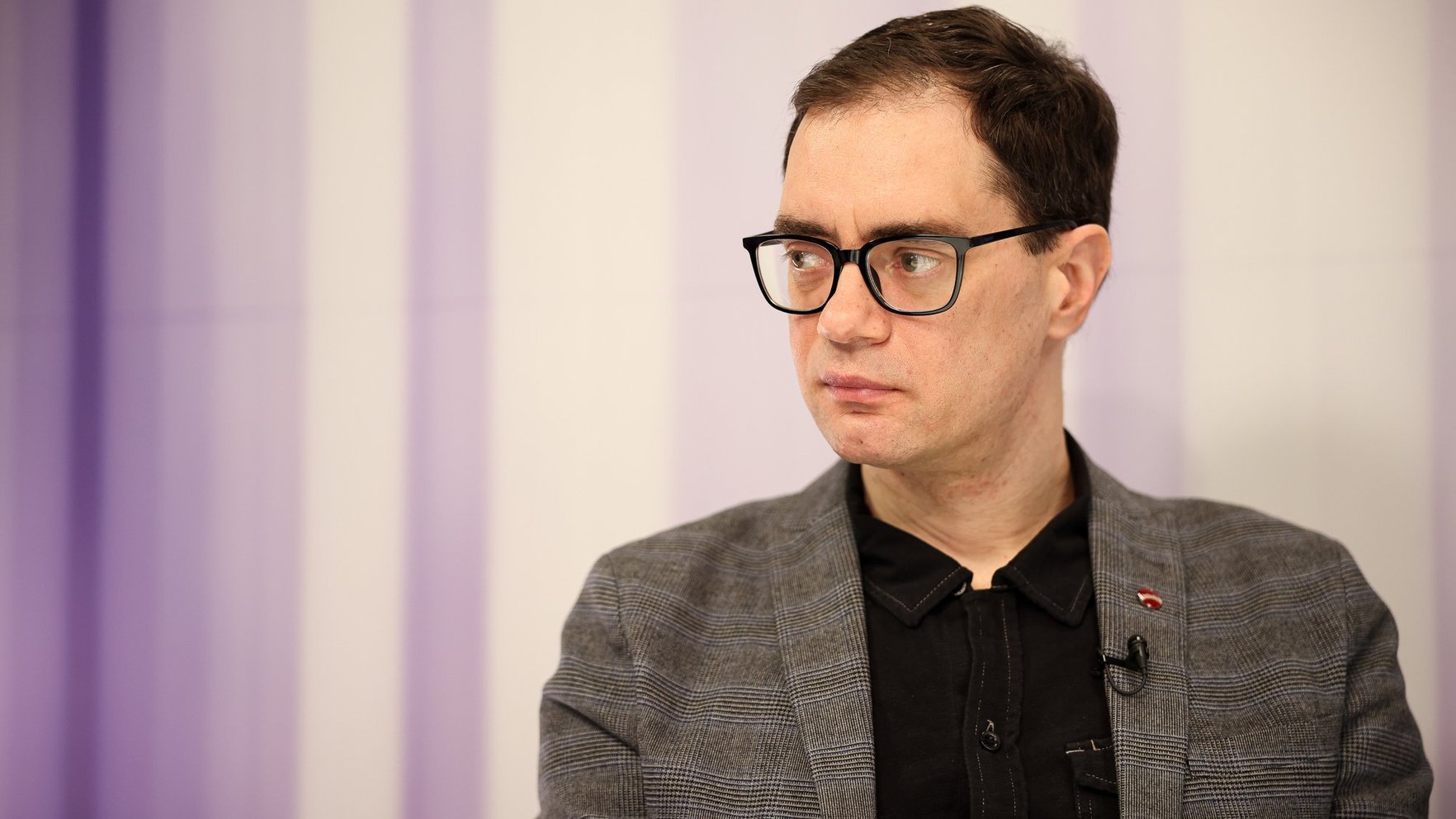

AI Blurs Lines, Forcing Smaller Teams and Bigger Responsibilities in Organizations
Translated from Latvian, summarized and contextualized by DistantNews.
At a glance
News
Sources not specified
Context piece
- Artificial intelligence is transforming organizations by blurring traditional roles and responsibilities.
- AI development allows individuals to easily step outside their specialized areas, leading to role convergence.
- This shift necessitates new organizational structures and approaches to manage overlapping responsibilities.
For two decades, technology companies operated with a clear division of labor. Product managers defined requirements, designers crafted user experiences, developers wrote code, and testers verified the final output. Each role had a distinct scope and responsibility, ensuring efficient and transparent work.
However, this traditional model is no longer sufficient. The rapid advancement of artificial intelligence is expanding the scope of each role. Employees can now easily venture beyond their specialized fields, creating overlaps and a convergence of responsibilities.
This evolution means that individuals must adapt to broader roles. The clear lines between product management, design, development, and testing are becoming blurred. This convergence requires organizations to rethink their structures and workflows to effectively manage these evolving responsibilities and harness the full potential of AI.
DistantNews Editorial
Originally published by Delfi Latvia in Latvian. Translated, summarized, and contextualized by our editorial team with added local perspective. Read our editorial standards.
More Stories



From Our Blog

What Gets Lost (and Found) When News Is Translated

The Critical Role of Diaspora Media in Global News

What Travellers Should Know About Countries with Restricted Press

A Digital Nomad's Guide to Following Local News

How the Same Story Looks Different in Different Countries
