


AI designs world's first 'artificial virus' to combat superbugs
Translated from Korean, summarized and contextualized by DistantNews.
At a glance
News
Named sources
Context piece
- Researchers at Stanford University have created the world's first "artificial virus" using generative AI, named Evo 2.
- These AI-designed phages show superior ability to eliminate E. coli compared to natural phages, offering hope for treating antibiotic-resistant bacteria.
- The open-source release raises concerns about potential misuse for bioterrorism, prompting calls for better regulatory oversight.
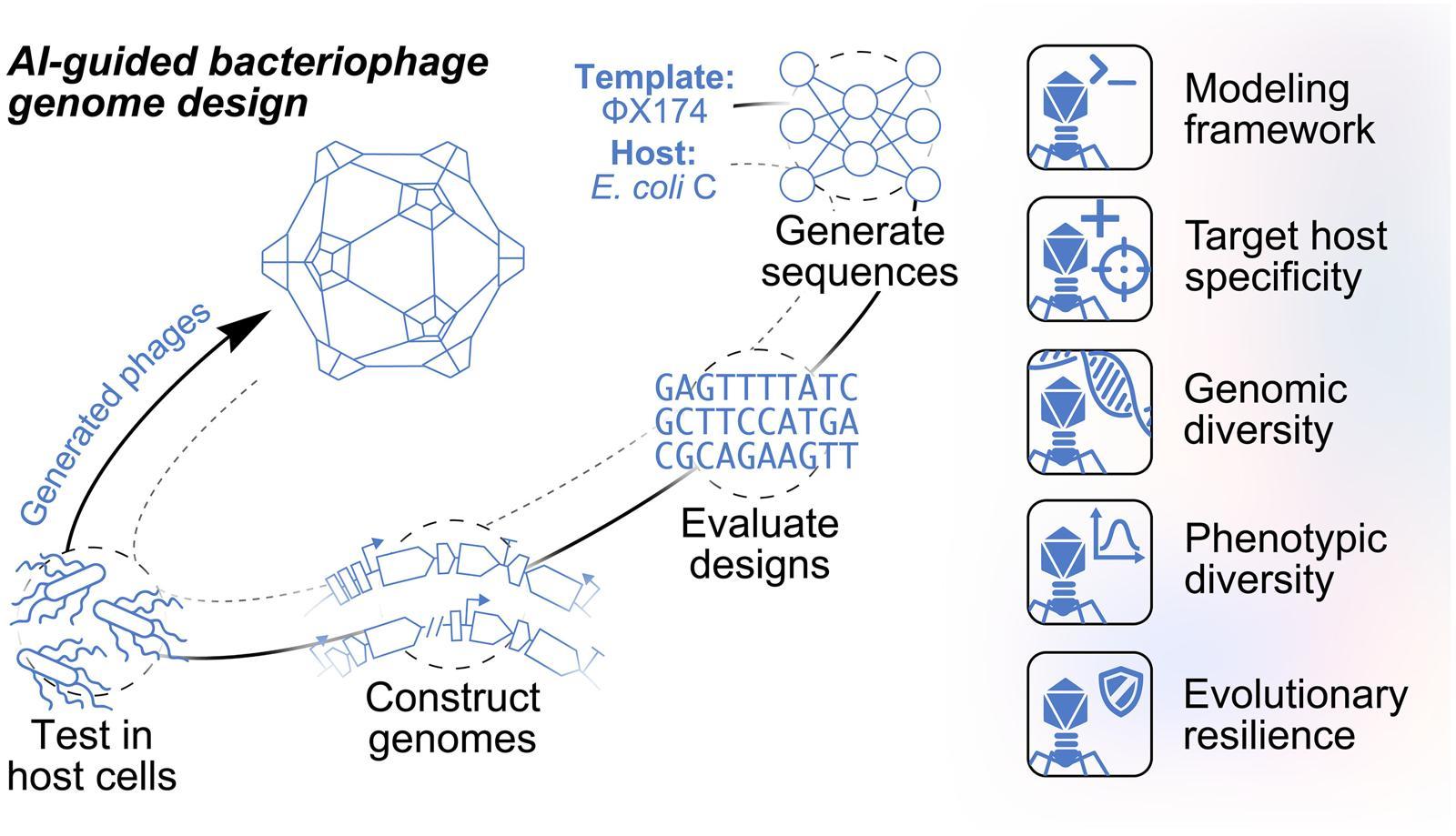
Stanford University researchers have achieved a groundbreaking feat by designing and synthesizing the world's first "artificial virus" using generative artificial intelligence. The AI model, dubbed "Evo 2," has created 16 types of artificial phages, which are viruses that infect bacteria. This innovation holds significant promise as a potential alternative to antibiotics for combating deadly, drug-resistant infections.
This is the first time we have demonstrated that generative design can produce a functional, entire genome.
The study, published in the journal Science, details how the AI-designed phages demonstrated a significantly greater capacity to eliminate E. coli bacteria in controlled laboratory settings compared to their natural counterparts. "This is the first time we have demonstrated that generative design can produce a functional, entire genome," stated Brian Hie, a lead researcher from Stanford University.
Experts hailed the achievement as a pivotal moment in biology. "This is a "Wright Brothers moment" for biology," said Adrian Woolfson, CEO of DNA synthesis company Genewiz, referring to the move beyond relying solely on nature's evolutionary products. The Stanford team believes this AI-driven approach could revitalize phage therapy, a promising avenue for treating infections caused by increasingly resilient pathogens.
This is a "Wright Brothers moment" for biology.
However, the advancement is not without its concerns. While the researchers have made Evo 2 open-source, they excluded data on animal and plant viruses from the training set to mitigate risks. Thomas Inglesby, director of the Johns Hopkins Center for Health Security, warned that current regulations may be insufficient to oversee "generative genomics." The critical question, he noted, is whether a surveillance system can be established to harness the benefits of this technology while preventing harm.
The issue is not whether the technology exists, but whether we can put in place the oversight that allows us to reap the benefits while preventing harm.
DistantNews Editorial
Originally published by Dong-A Ilbo in Korean. Translated, summarized, and contextualized by our editorial team with added local perspective. Read our editorial standards.
More Stories



From Our Blog

What Gets Lost (and Found) When News Is Translated

The Critical Role of Diaspora Media in Global News

What Travellers Should Know About Countries with Restricted Press

A Digital Nomad's Guide to Following Local News

How the Same Story Looks Different in Different Countries
