


Salmonella Food Poisoning Cases More Than Double in South Korea
Translated from Korean, summarized and contextualized by DistantNews.
At a glance
News
Official statement
New plan
- Salmonella food poisoning cases more than doubled last year, accounting for 43% of all food poisoning patients.
- Overall food poisoning incidents rose by 30% in 2025 compared to the previous year, with September and August seeing the highest numbers.
- Health authorities urge caution with food hygiene, especially with eggs and poultry, and recommend thorough cooking to prevent outbreaks.
Food poisoning cases in South Korea surged last year, with Salmonella infections more than doubling and overall incidents rising by 30%. Health authorities are emphasizing the need for heightened food safety measures, particularly during the summer months when conditions are ripe for bacterial growth.
Last year, South Korea recorded 319 food poisoning cases involving 9,780 people, a significant increase from 265 cases and 7,624 patients in 2024. The peak months for outbreaks were September and August, coinciding with high temperatures and humidity.
Salmonella was identified as the primary culprit, causing 79 cases and affecting 4,248 individuals. This represents a 2.2-fold increase from the previous year's 1,907 Salmonella patients. These infections, often linked to undercooked poultry and eggs, can lead to severe abdominal pain and diarrhea.
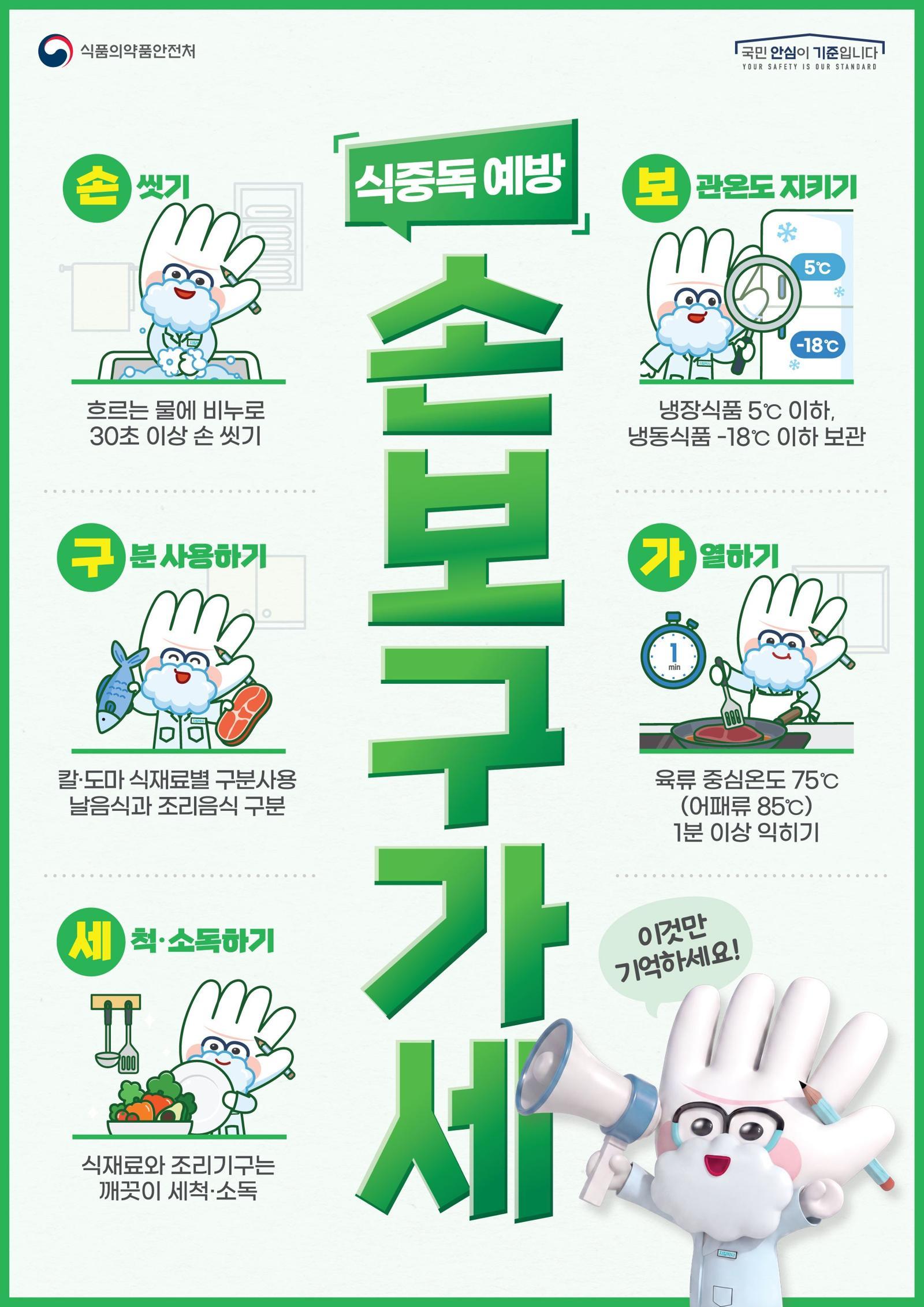
Authorities are advising strict hygiene practices, including thorough handwashing after handling eggs and ensuring food is cooked to an internal temperature of at least 75 degrees Celsius (167 degrees Fahrenheit) for over a minute. Complex dishes like kimbap and set meals were the most common sources of food poisoning, while egg-based dishes, though fewer in number, led to a high number of patients per incident, indicating a potential for large-scale outbreaks.
The majority of cases occurred in restaurants, followed by group meal facilities and schools. The Seoul metropolitan area and Busan saw the highest number of cases, but per capita, Daejeon, Jeju, and North Chungcheong Province reported more infections. To combat the rise, officials recommend avoiding leaving cooked food at room temperature for extended periods, reheating leftovers thoroughly, and thawing frozen foods in the refrigerator rather than at room temperature.
DistantNews Editorial
Originally published by Hankyoreh in Korean. Translated, summarized, and contextualized by our editorial team with added local perspective. Read our editorial standards.
More Stories
From Our Blog

What Gets Lost (and Found) When News Is Translated

The Critical Role of Diaspora Media in Global News

What Travellers Should Know About Countries with Restricted Press

A Digital Nomad's Guide to Following Local News

How the Same Story Looks Different in Different Countries
