


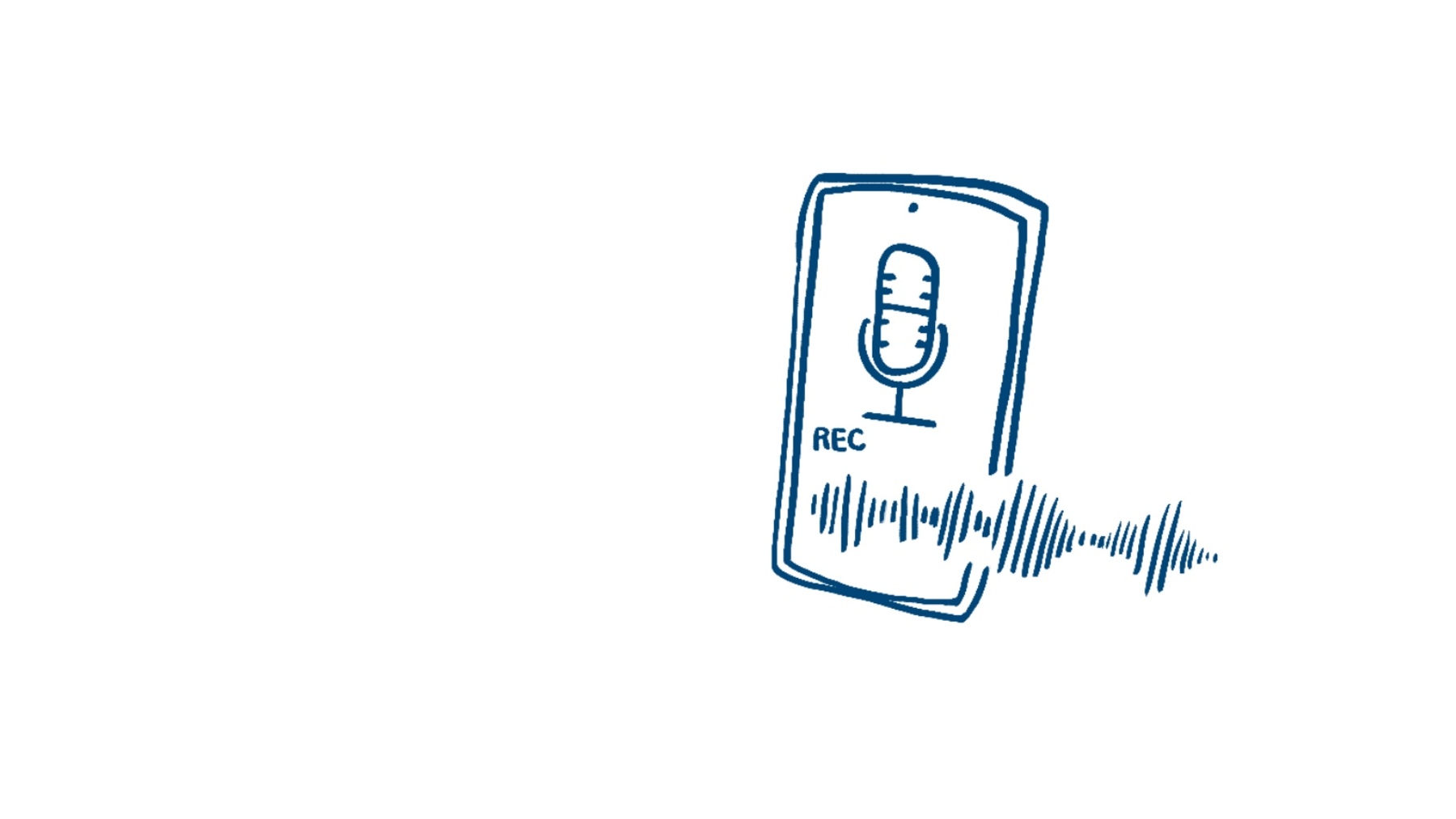
AI Documentation Tools Offer Efficiency but Pose Significant Privacy Risks
Translated from German, summarized and contextualized by DistantNews.
At a glance
News
Named sources
Context piece
- AI-powered tools offer significant efficiency gains in documenting conversations, transcribing hours of work into seconds for professionals like doctors, lawyers, and financial advisors.
- However, the use of these tools raises critical legal issues, particularly concerning data privacy and personality rights, as audio data often leaves the device and is processed in the cloud.
- A recent court ruling fined an advertising agency €6,300 for improperly recording conversations in a doctor's office, highlighting the risks of careless handling of documentation tools and the need for explicit consent.
Artificial intelligence is revolutionizing documentation, offering professionals unprecedented efficiency in managing conversations. Tools like Plaud and Microsoft Copilot can transcribe and summarize hours of dialogue in mere seconds, a task that previously consumed significant manual effort. This is particularly beneficial for freelancers and professionals in fields such as medicine, law, and finance, who face stringent documentation requirements.
However, this technological leap comes with considerable responsibility. The automated recording and transcription of sensitive communications, such as client consultations and patient discussions, touch upon several legal domains. Key concerns include personality rights, the boundaries of criminal law, and, crucially, data protection regulations. The process often involves audio data leaving the user's device and being transmitted to cloud servers for AI processing, potentially exposing a large amount of personal data, including voice identification.
A stark reminder of the risks involved came from a ruling by the Austrian Federal Administrative Court (BVwG) on March 24, 2026. The court upheld a €6,300 fine imposed by the Data Protection Authority (DSB) on an advertising agency. The agency's representative had activated a recording device in a doctor's office before a sales pitch began. The device continued recording for over five minutes, capturing not only the sales conversation but also fragments of confidential patient discussions subject to medical secrecy.
This case underscores the necessity for businesses to act maturely regarding data protection. The court's decision offers guidance, emphasizing the importance of explicit consent for data processing and transparency. Simply hiding consent clauses within contract documents is insufficient to meet the requirements for effective audio recording. Professionals must ensure they fully understand and comply with data privacy laws when employing AI-driven documentation tools.
DistantNews Editorial
Originally published by Die Presse in German. Translated, summarized, and contextualized by our editorial team with added local perspective. Read our editorial standards.
More Stories


From Our Blog

What Gets Lost (and Found) When News Is Translated

The Critical Role of Diaspora Media in Global News

What Travellers Should Know About Countries with Restricted Press

A Digital Nomad's Guide to Following Local News

How the Same Story Looks Different in Different Countries
