


AI-Driven Personalized Cancer Vaccines Show Promising Results in Clinical Trials
Translated from Korean, summarized and contextualized by DistantNews.
At a glance
News
Documents & data
Context piece
- Personalized cancer vaccines, designed using AI to analyze patient-specific mutations, are advancing rapidly.
- These vaccines target neoantigens unique to cancer cells, aiming to train the immune system to attack them.
- While promising, many are still in clinical trials, with researchers exploring their potential to enhance existing treatments like immunotherapy.
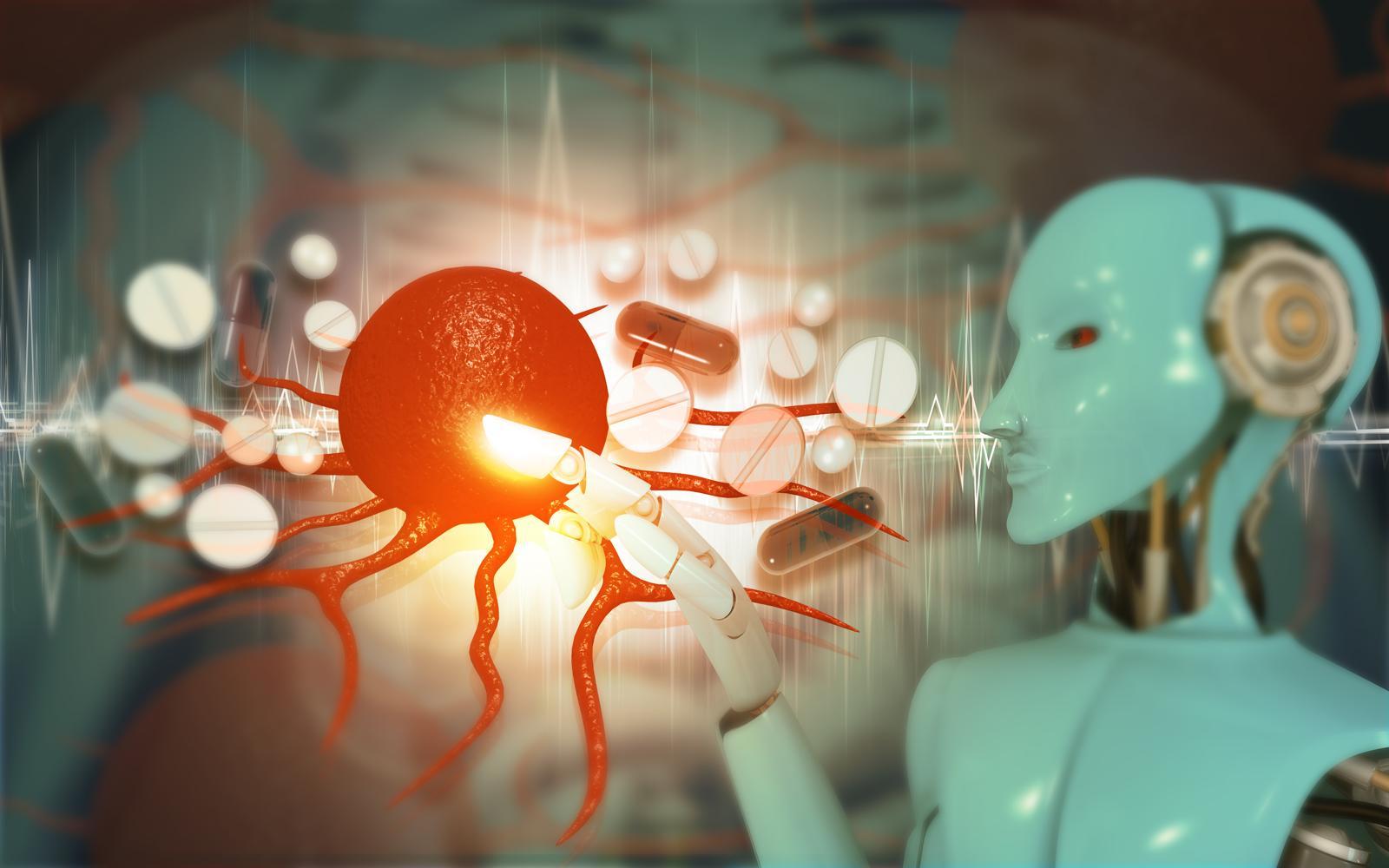
The development of personalized cancer vaccines, tailored to individual patients by analyzing their unique genetic mutations, is accelerating. These vaccines work by identifying targets, known as neoantigens, that appear only on cancer cells and training the patient's immune system to recognize and attack them.
Recent advancements in genomic analysis and artificial intelligence (AI) are significantly improving the ability to sift through numerous cancer mutations and pinpoint those most likely to trigger an immune response. While many of these treatments are still in the experimental clinical trial phase, researchers are investigating their potential not as replacements for current therapies, but as complementary strategies to boost the effectiveness of treatments like immunotherapy.
One of the leading examples in personalized cancer vaccine development is 'Integramed autogene,' a collaborative effort between Moderna and Merck. A 5-year follow-up of a Phase 2b clinical trial (KEYNOTE-942) showed that high-risk melanoma patients (Stage 3B-4) who received Integramed in combination with the immunotherapy drug pembrolizumab (Keytruda) had a 49% lower risk of recurrence or death compared to those receiving pembrolizumab alone. The risk of distant metastasis or death was also reduced by approximately 59%. These findings were published in the 'Journal of Clinical Oncology' in June, though the study involved 157 participants and the 5-year analysis was a technical one. Larger Phase 3 trials are ongoing to further validate the vaccine's efficacy and scope.
The core principle of personalized cancer vaccines lies in identifying these neoantigens – new proteins arising from genetic mutations in cancer cells that are absent in normal cells. AI and computational biology play a crucial role in predicting which of these numerous potential neoantigens are most likely to elicit an immune response, prioritizing them for vaccine development. Once selected, these neoantigens are formulated into mRNA or peptide-based vaccines and administered to patients, teaching their immune systems to target cancer cells bearing these specific markers.
Many personalized cancer vaccines currently in development are being studied in combination with immunotherapies, particularly immune checkpoint inhibitors. While checkpoint inhibitors work by blocking signals that cancer cells use to evade immune attack, their effectiveness varies among patients. Personalized vaccines offer a different approach by presenting the immune system with specific targets, essentially guiding the immune response. Combining these strategies aims to create a more robust anti-cancer immune reaction. Beyond Moderna and Merck, numerous global biotech firms are pursuing various personalized cancer vaccine approaches, driven by advances in next-generation sequencing, neoantigen prediction algorithms, and mRNA delivery technologies.
DistantNews Editorial
Originally published by Dong-A Ilbo in Korean. Translated, summarized, and contextualized by our editorial team with added local perspective. Read our editorial standards.
More Stories



From Our Blog

What Gets Lost (and Found) When News Is Translated

The Critical Role of Diaspora Media in Global News

What Travellers Should Know About Countries with Restricted Press

A Digital Nomad's Guide to Following Local News

How the Same Story Looks Different in Different Countries
