


AI Fears Could Spark Political Revolution Among US White-Collar Workers
Translated from Romanian, summarized and contextualized by DistantNews.
TLDR
- A new political shockwave may emerge in America, driven by white-collar professionals fearing job displacement due to artificial intelligence.
- Millions of jobs and billions in annual income are at risk, particularly in
The "Rust Belt" famously propelled Donald Trump to power, fueled by the anger of blue-collar workers. Now, the "connected belt"—the suburbs and cognitive hubs of America—faces its own potential upheaval. Financial Times reports that white-collar professionals, fearing job losses from artificial intelligence, could ignite the next political firestorm.
Generations of workers who lost their jobs to NAFTA or the China shock suffered twice: first from redundancy, then from their invisibility.
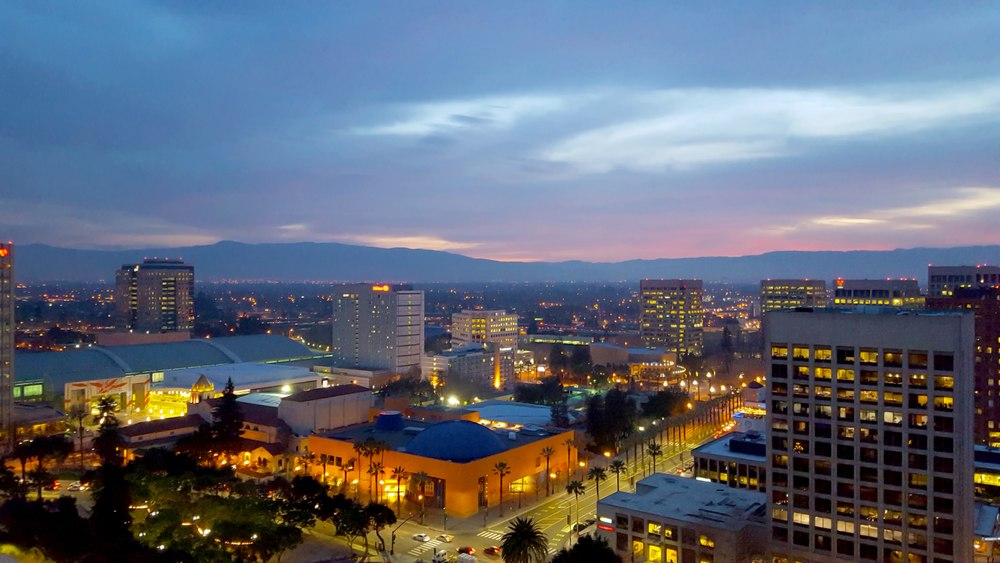
This isn't just about job numbers; it's about the geography of discontent. The American AI Jobs Risk Index highlights that vulnerable occupations are concentrated in regions that have thrived on data and cognitive labor. These areas, stretching from Silicon Valley to Boston and New York, and even encompassing suburbs of key swing states like Philadelphia, Atlanta, and Phoenix, could become the new "rust belts."
Today, a new wave of white-collar professionals fears losing their jobs to artificial intelligence – and this could generate the next political shock in America.
The implications for American politics are stark. With millions of jobs and trillions in income at risk, particularly in crucial swing states, this demographic could become a decisive voting bloc. These are not the invisible workers of past economic shifts; they are digitally connected, capable of leveraging social media and online platforms to amplify their concerns and mobilize politically. Their potential anger, channeled through populist movements or direct political action, could reshape the electoral landscape by 2026 and certainly by 2028.
The occupations most at risk are concentrated in the "connected belts" – regions that have thrived on data, content, and cognitive work.
While Western media might focus on the technological advancement of AI, from an American perspective, the immediate concern is its potential to destabilize communities and influence elections. The "connected belt" may not be rusting physically, but its economic and social foundations are under threat, creating fertile ground for political disruption. This story matters locally because it touches upon the anxieties of a significant, politically engaged segment of the American workforce, whose future livelihoods are directly impacted by rapid technological change.
Seven swing states concentrate one-sixth of the US's vulnerable jobs, representing $119.5 billion in annual income.
DistantNews Editorial
Originally published by Adevărul in Romanian. Translated, summarized, and contextualized by our editorial team with added local perspective. Read our editorial standards.
More Stories


From Our Blog

What Gets Lost (and Found) When News Is Translated

The Critical Role of Diaspora Media in Global News

What Travellers Should Know About Countries with Restricted Press

A Digital Nomad's Guide to Following Local News

How the Same Story Looks Different in Different Countries
