


AI for Equity: Economist's Award-Winning Research Explores Digital Fairness
Translated from German, summarized and contextualized by DistantNews.
At a glance
In-depth
Named sources
Context piece
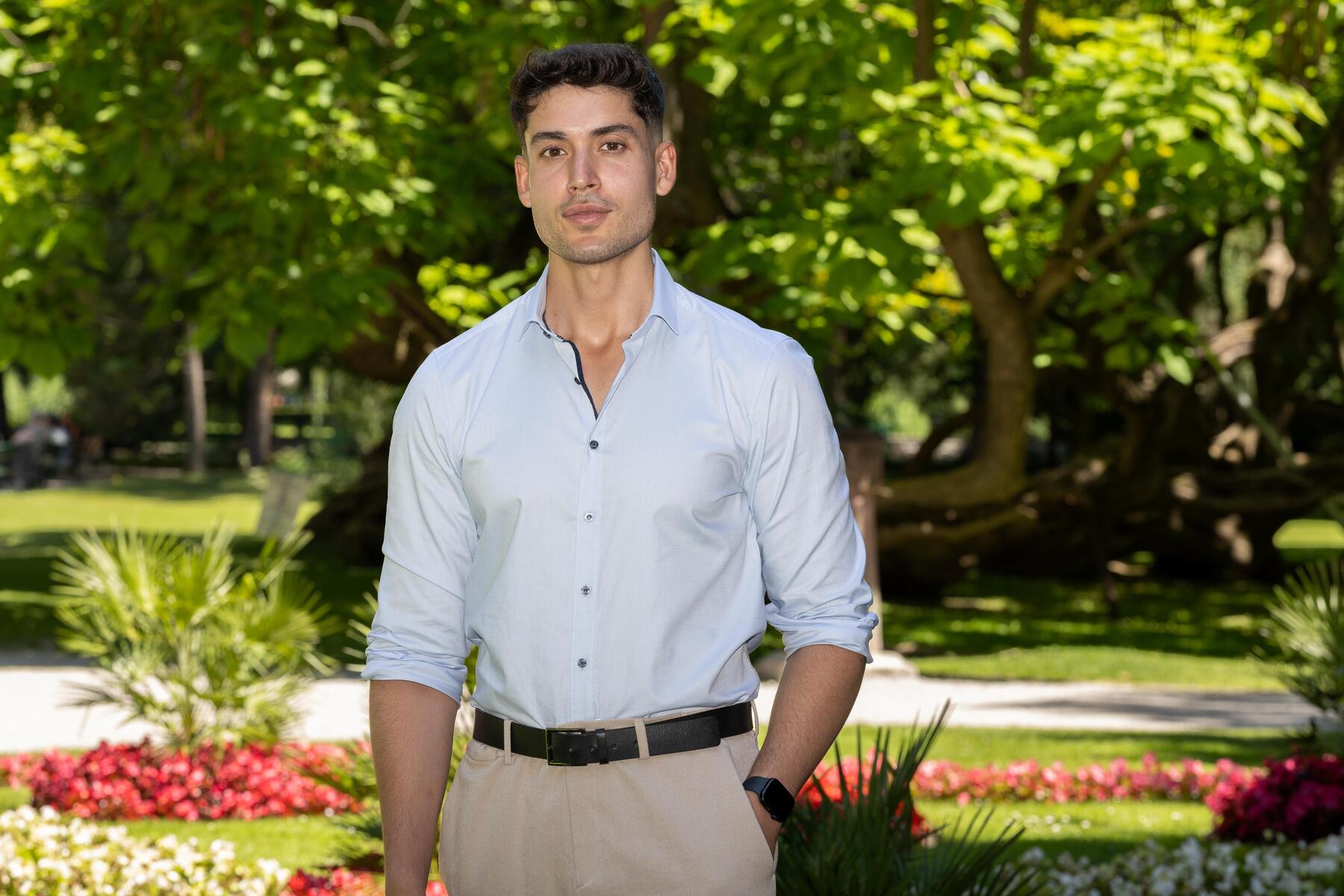
- Economist Khalid Durani, originally from Afghanistan and raised in Germany, is researching how AI and algorithms can promote greater societal fairness at the University of Innsbruck.
- Durani's dissertation on the topic was recognized as the world's best in business informatics, marking a historic win for an Austrian university.
- His current research focuses on how social media communication impacts inequalities and whether algorithms promote or hinder the visibility of diverse population groups.
Khalid Durani, an economist with a background spanning Afghanistan and Germany, is at the forefront of research exploring how artificial intelligence and algorithms can foster a more equitable society. Currently based at the University of Innsbruck, Durani's work delves into ensuring a responsible digital future.
As Twitter was taken over by Musk, many people boycotted it because the platform's logic had changed.
Durani's academic achievements are notable; his dissertation was awarded the ACM-Sigmis Dissertation Award, the most prestigious honor in his field. This award, which had only been given to two other German-language universities in its 33-year history, marked the first time an Austrian institution received the accolade. Durani traveled to Nashville, Tennessee, to accept the award in late 2025.
With digital innovators, I mean small, often disadvantaged initiatives that tackle social problems with digital means: e.g. feminist artists, disability activists or small NGOs.
His research now centers on the influence of social media communication on societal inequalities. Durani investigates whether algorithms, which curate the information users see, either promote or suppress the visibility of various genders and population groups. Having personally experienced the challenges faced by minorities, as his family fled Afghanistan for Germany in 2000, Durani brings a unique perspective to his work.
We lived in refugee shelters, and my parents attached great importance to a good education. My two brothers and I have all been successful in school, university, and our careers.
He defines "digital innovators" as small, often marginalized groups using digital tools to address societal issues, citing examples like feminist artists, disability activists, and small NGOs. Durani notes that platform dynamics, such as those seen when Elon Musk acquired Twitter, can significantly alter visibility and user engagement based on changing algorithms and content policies. He emphasizes the importance of understanding these shifts to ensure diverse voices are not silenced.
It's as if we have won every lottery that can be won.
DistantNews Editorial
Originally published by Die Presse in German. Translated, summarized, and contextualized by our editorial team with added local perspective. Read our editorial standards.
More Stories


From Our Blog

What Gets Lost (and Found) When News Is Translated

The Critical Role of Diaspora Media in Global News

What Travellers Should Know About Countries with Restricted Press

A Digital Nomad's Guide to Following Local News

How the Same Story Looks Different in Different Countries
