


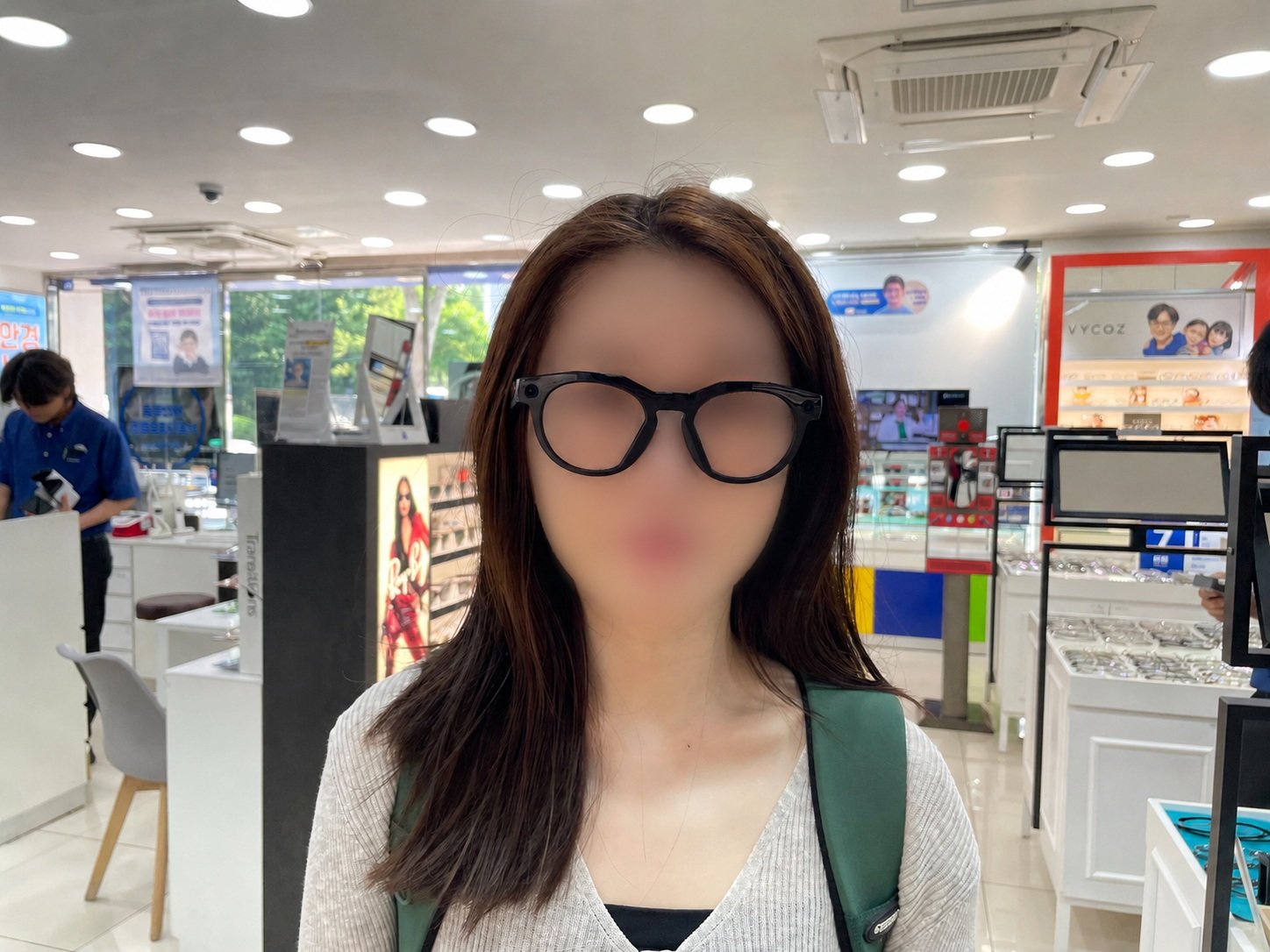
AI Glasses Used for Cheating in TOEIC Exams: 'Hard to Tell if Filming'
Translated from Korean, summarized and contextualized by DistantNews.
At a glance
News
Sources not specified
Context piece
- AI smart glasses, capable of photo/video and real-time translation, are being used for cheating in TOEIC exams.
- The glasses resemble regular eyeglasses, making them difficult to detect, with small indicator lights and subtle operation.
- While some models have limitations for cheating in quiet environments, overseas versions with direct display technology pose a greater risk.
A new wave of cheating is emerging in standardized tests, with the recent detection of AI smart glasses being used during TOEIC exams causing significant controversy. These devices, which integrate generative AI with cameras, microphones, and speakers, are designed to look like ordinary eyeglasses, making them a new and concerning tool for test-takers seeking an unfair advantage.
During a hands-on experience with a Meta AI Glass, the device appeared surprisingly ordinary. Priced between 600,000 and 900,000 Korean won, its external appearance is nearly indistinguishable from standard acetate frames. Even upon closer inspection, the cameras embedded at the ends of the frames are subtle and easily missed. "Most people are surprised when they try it on because it looks almost the same as regular glasses," a store employee noted.
Activating the camera function by pressing a button on the side of the frame initiated recording, accompanied by a small white LED light. However, this light is difficult to spot from a distance, and the button-press motion resembles simply adjusting one's glasses, making it hard for observers to discern if a photo is being taken. The real-time translation feature also proved effective, delivering translated audio through the glasses' speakers within seconds of viewing an English article. While the user could clearly hear the translation, the sound was barely perceptible to those nearby.
Store representatives acknowledged that officially released Meta products in Korea have limitations for cheating. They cannot connect to separate wireless earphones, and the audio is delivered via bone conduction or open-type speakers. This makes it difficult to discreetly listen to answers in a quiet exam setting. However, a significant loophole exists with overseas direct-purchase or unreleased models. These devices may feature technology that projects text or displays information directly onto the eyeglass lens, allowing users to see answers without any audio cues, thus presenting a substantial risk for cheating.
Two test-takers were recently caught using AI glasses during a TOEIC exam and subsequently had their scores invalidated and face a four-year ban from taking the test. The ease with which these devices can be concealed and their advanced capabilities highlight a growing challenge for exam integrity.
DistantNews Editorial
Originally published by Dong-A Ilbo in Korean. Translated, summarized, and contextualized by our editorial team with added local perspective. Read our editorial standards.
More Stories



From Our Blog

What Gets Lost (and Found) When News Is Translated

The Critical Role of Diaspora Media in Global News

What Travellers Should Know About Countries with Restricted Press

A Digital Nomad's Guide to Following Local News

How the Same Story Looks Different in Different Countries
