




AI makes phone scams more convincing in Mexico
Translated from Spanish and summarized by DistantNews. Read the original for the full story.
At a glance
In-depth
Named sources
Context piece
- Artificial intelligence lets scammers personalize messages, clone voices and impersonate banks, companies, relatives or government agencies.
- Experts warn that caller ID spoofing, vishing, smishing and SIM swapping can combine to push victims into sharing information or making fraudulent transactions.
- They advise people to pause before acting, because scammers use fear, emotion and urgency to reduce the time victims have to think.
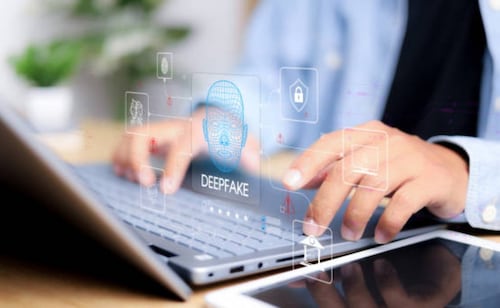
A call from a bank, an alert about a supposed charge or a familiar voice on the other end of the line can no longer guarantee that the communication is genuine. Artificial intelligence has made scams more believable, allowing criminals to personalize messages and impersonate people or institutions before steering victims toward fraudulent transactions.
The technology is only part of the change. Gustavo Valdez, director general of Ikusi in Mexico, says people must stop viewing the telephone only as a communication tool. “Today, we have to consider the telephone as an attack vector, because it is your means of identification,” he said in an interview.
Valdez said impersonation has expanded beyond video deepfakes to include audio and calls that appear to come from relatives or other familiar people. Common methods include caller ID spoofing, which makes a call appear to come from a bank, company or government agency; vishing, which uses calls to obtain confidential information; and smishing, which uses text messages to prompt a specific action.
Today, we have to consider the telephone as an attack vector, because it is your means of identification.
The most dangerous trend may be the combination of these techniques. Oscar Lazcano, director general of VoiSek, said a message can tell a person to call a telephone number, moving the victim from smishing to vishing while the person believes they are seeking help. “If you speak while asking for help, your guard is down, because you expect to receive that help. And you follow the instructions. So it becomes something very dangerous,” Lazcano said.
The instructions may then involve installing an application, sharing a screen or providing information. In businesses, a call that appears to come from technical support can also open the door to attacks such as ransomware. SIM swapping adds another risk: criminals can persuade a phone company to transfer control of a number to another SIM card, allowing them to intercept messages and authentication codes. Valdez warned that information available online can help attackers pose as the legitimate owner of a line. Experts say the best defense remains stopping before taking action, since scammers rely on fear, emotion and urgency to leave victims less time to think.
If you speak while asking for help, your guard is down, because you expect to receive that help. And you follow the instructions. So it becomes something very dangerous.
About this summary
Originally published by El Universal in Spanish. Translated, summarized, and contextualized automatically by DistantNews, with a note on how the source frames the story. Not individually reviewed before publishing. How this works.
More Stories

From Our Blog

What Press Freedom Means for the News You Read

News in Translation: What Gets Lost, and How We Keep the Framing

Diaspora Media: How Communities Follow News From Home

Traveling Where the Press Is Not Free: How to Read the News There

The Digital Nomad's Guide to Local News
