


AI, Robotics in Medicine Need Professional Training, Safety Standards
Translated from Malay, summarized and contextualized by DistantNews.
At a glance
News
Named sources
New plan
- Modern medical technologies like AI and robotics require professional training and safety compliance to benefit patients without risk, according to the Malaysian Academy of Medicine (AMM).
- While advanced technologies can improve diagnosis accuracy and treatment quality, patient safety must remain the top priority.
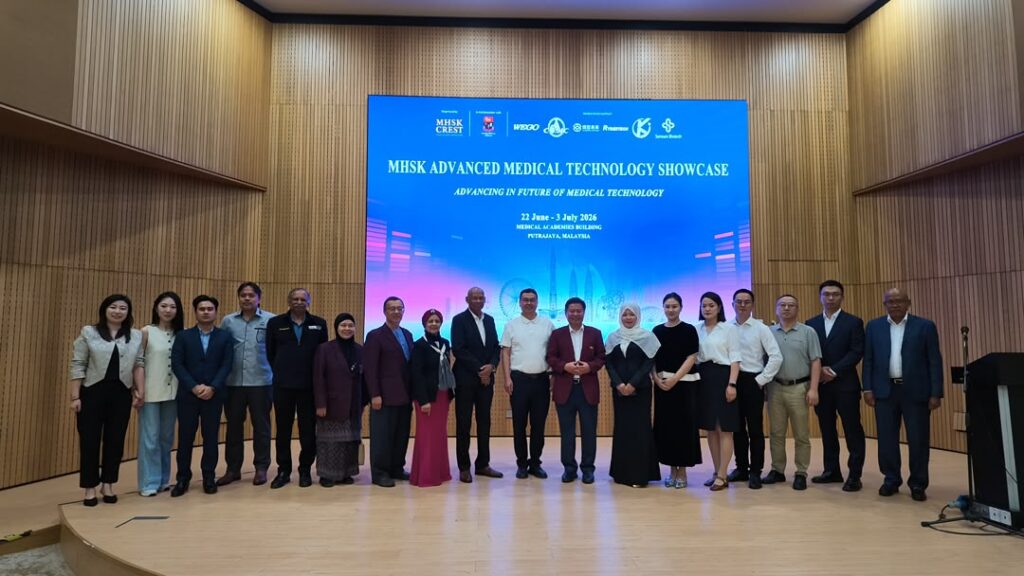
- AMM is collaborating with Malaysia Healthcare Scientific Kingdom (MHSK) to ensure new technologies are accompanied by adequate training programs.
The integration of advanced medical technologies, including artificial intelligence (AI) and robotics, into healthcare systems necessitates rigorous professional training and strict adherence to safety standards, according to the Malaysian Academy of Medicine (AMM).
Prof. Datuk Dr. Hanafiah Harunarashid, Master of AMM, emphasized that while these cutting-edge technologies hold immense potential to enhance treatment quality and diagnostic precision, patient safety must consistently be the paramount concern. He stated that sophisticated tools offer no benefit if not operated by adequately trained and expert individuals.
Good tools provide no benefit if not used correctly. That is why training for doctors and specialists is extremely important to ensure patient safety is always protected.
Dr. Harunarashid highlighted AI's growing role in healthcare, particularly in analyzing medical images like CT scans and MRIs to detect diseases early. He noted that AI can help mitigate the risk of missed diagnoses, especially in hospitals facing specialist shortages, by providing doctors with a second opinion and improving diagnostic accuracy.
AI can help detect early signs that might be missed during the first examination. It gives doctors a chance to get a second opinion and further improve diagnostic accuracy.
Furthermore, the use of robotics in surgery is showing promising advancements, enabling more precise procedures, smaller incisions, and faster patient recovery. Dr. Harunarashid observed that robotic technology, once bulky and difficult to use, is becoming more sophisticated and could potentially be used for remote surgeries in the future. He acknowledged that technologies like robotics, AI, and genomics are rapidly evolving and will inevitably become integral parts of modern healthcare systems.
In light of these developments, AMM is committed to collaborating with the Malaysia Healthcare Scientific Kingdom (MHSK). This partnership aims to ensure that any new medical technology introduced into Malaysia is supported by comprehensive professional training and education programs. The collaboration also seeks to verify that these technologies meet the specific needs of the local healthcare industry and ultimately benefit both patients and medical professionals.
Robotics, AI, and genomics are already before us. Whether we like it or not, these technologies will continue to develop and become part of the modern health system.
DistantNews Editorial
Originally published by Utusan Malaysia in Malay. Translated, summarized, and contextualized by our editorial team with added local perspective. Read our editorial standards.
More Stories



From Our Blog

What Gets Lost (and Found) When News Is Translated

The Critical Role of Diaspora Media in Global News

What Travellers Should Know About Countries with Restricted Press

A Digital Nomad's Guide to Following Local News

How the Same Story Looks Different in Different Countries
