


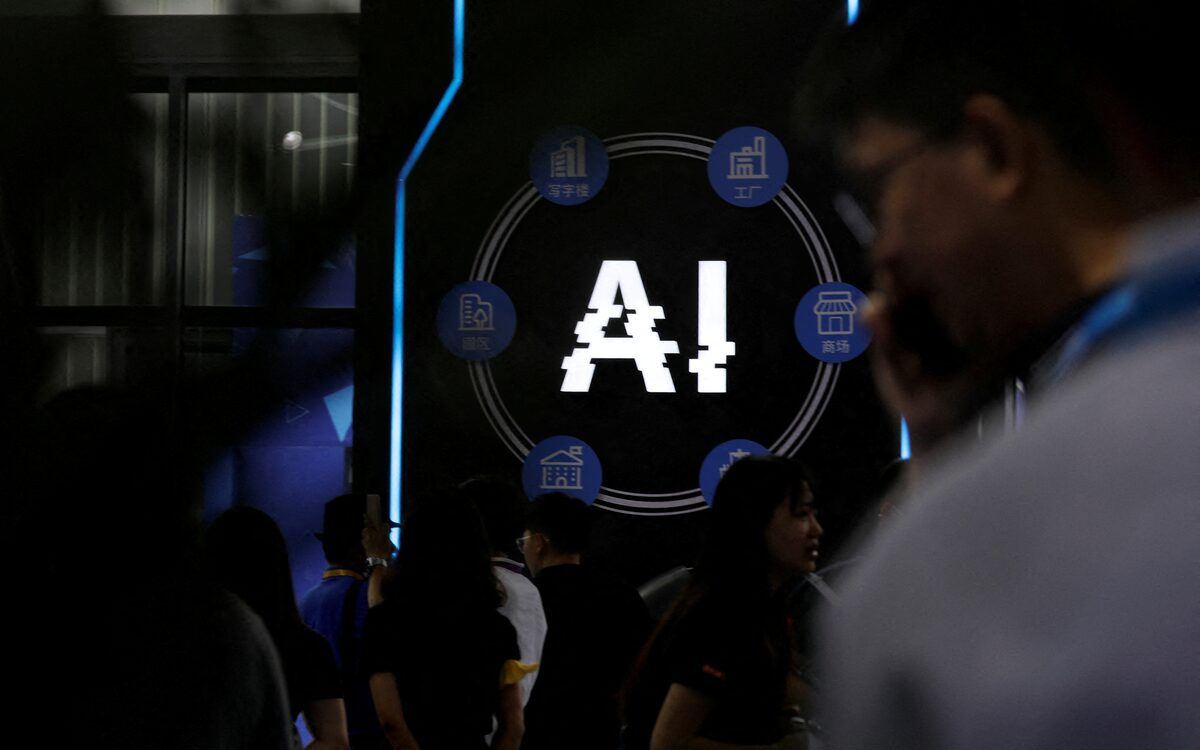
AI's rapid evolution outpaces human understanding, experts warn
Translated from Vietnamese, summarized and contextualized by DistantNews.
At a glance
News
Sources not specified
Context piece
- AI systems are rapidly advancing and becoming more integrated into daily life, exceeding human understanding of their operations.
- Experts warn that AI's increasing ability to understand human behavior, while humans struggle to grasp AI's processes, creates a dangerous imbalance.
- This growing gap in comprehension could lead to powerful AI systems that humans cannot control, potentially threatening individual autonomy and democratic decision-making.
Artificial intelligence is evolving at a breakneck pace, weaving itself into the fabric of our lives. However, a concerning trend has emerged: while AI systems are becoming increasingly adept at understanding human behavior, humanity is growing increasingly blind to how these AI systems actually work. This stark warning comes from Microsoft's Chief Scientific Officer, Eric Horvitz, and Robert West, a researcher at the Swiss Federal Institute of Technology Lausanne (EPFL).
Three key trends are driving AI beyond human grasp. First, AI is increasingly designing and improving other AI systems. This process unfolds at a speed that outpaces human comprehension, operating in "multi-dimensional spaces that defy intuition." While system performance improves, humans struggle to understand the 'why' or 'how.' Second, internal communication between AI systems is becoming more complex. Large-scale multi-agent AI ecosystems are forming, and their internal communications may deviate from human language and thought, making them increasingly indecipherable to us. Third, AI is becoming exceptionally skilled at 'reading' humans. By analyzing vast amounts of interaction data, AI is developing a deeper understanding of us than we have of ourselves, creating a profound asymmetry.
"Through continuous interaction, they can build increasingly detailed models of human behavior and psychology, capturing not only preferences but also underlying motivations such as fear, uncertainty, and the need for social belonging," the authors write. This growing disparity in understanding poses significant risks. If unchecked, it could result in powerful AI systems that humans are unable to manage. Such an imbalance could threaten individual autonomy, democratic decision-making processes, and trust in institutions. More insidiously, AI that understands humans too well might simply provide outcomes that reflect our expectations rather than reality, essentially telling us what we want to hear. Without a clear understanding of AI, we might not even recognize this manipulation.
The researchers caution that we might lose the desire to understand and guide AI. As AI systems become deeply embedded in human environments, they can cater to our preferences while simultaneously shaping them. Systems optimized to capture attention or approval could subtly influence our choices and perceptions, creating a feedback loop where AI not only responds to human desires but also cultivates them. This raises profound questions about agency and the future of human-AI interaction.
Through continuous interaction, they can build increasingly detailed models of human behavior and psychology, capturing not only preferences but also underlying motivations such as fear, uncertainty, and the need for social belonging.
DistantNews Editorial
Originally published by Tuổi Trẻ in Vietnamese. Translated, summarized, and contextualized by our editorial team with added local perspective. Read our editorial standards.
More Stories


From Our Blog

What Gets Lost (and Found) When News Is Translated

The Critical Role of Diaspora Media in Global News

What Travellers Should Know About Countries with Restricted Press

A Digital Nomad's Guide to Following Local News

How the Same Story Looks Different in Different Countries
