


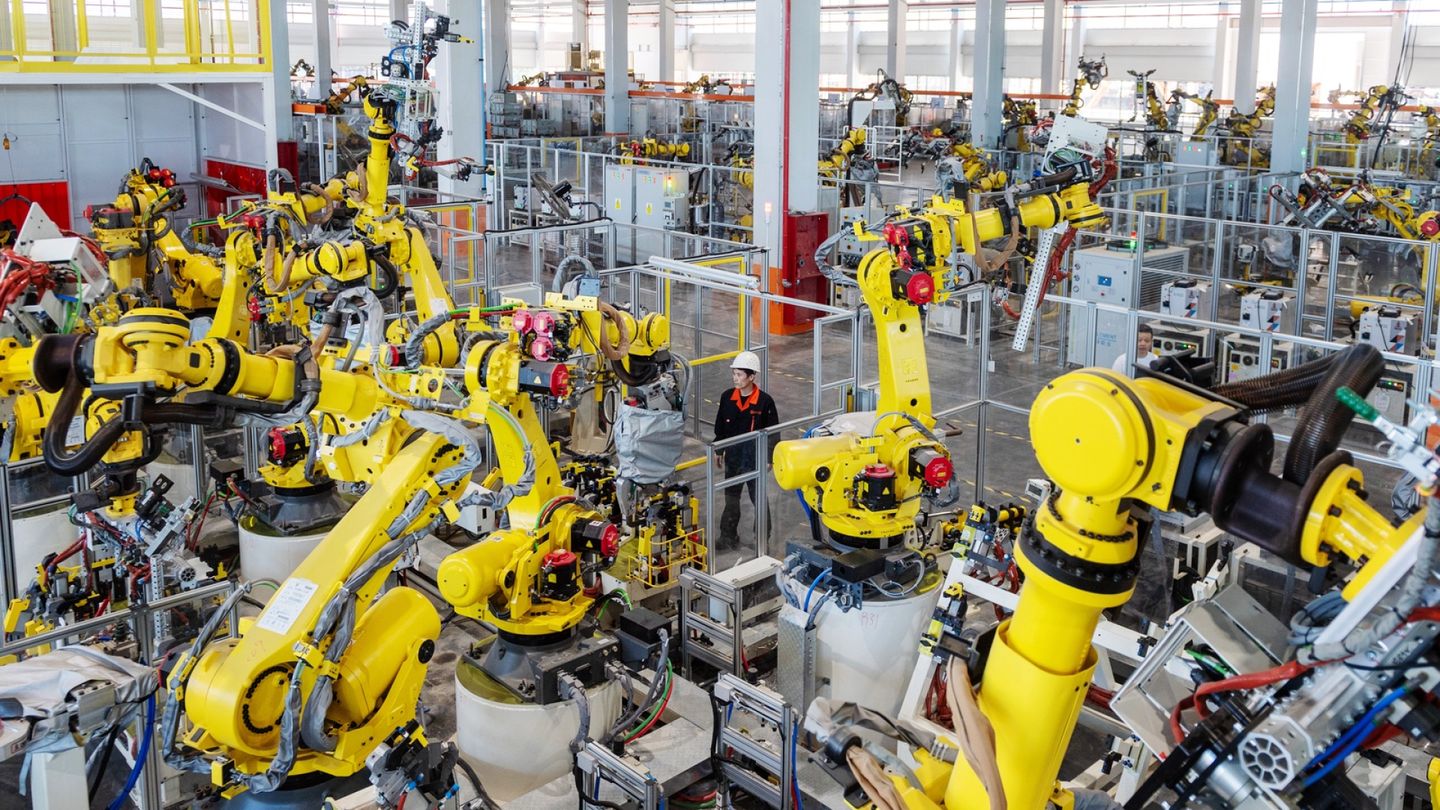
AI threatens welfare state financing, warns author
Translated from Finnish, summarized and contextualized by DistantNews.
At a glance
Analysis
Named sources
Context piece
- Futurist Martin Ford warns that artificial intelligence will fundamentally disrupt the financing of welfare states like Finland.
- He states that countries built on income tax are unprepared for the coming changes driven by AI and automation.
- Ford argues the issue is not just about job displacement but the broader economic restructuring caused by new technology.
Futurist Martin Ford issues a stark warning to countries like Finland: artificial intelligence poses a fundamental threat to the financing of welfare states. In an interview with Helsingin Sanomat, Ford asserts that nations built upon the taxation of labor are ill-equipped for the seismic shifts AI is poised to bring.
"We are not prepared for what is coming," Ford declared, emphasizing that the challenge extends beyond simple job displacement or productivity gains. He highlights a critical vulnerability in economic models that rely heavily on income tax revenue, which could be significantly eroded as AI and automation become more prevalent in production and services.
The implications are profound for the social contract underpinning many developed nations. As AI-driven automation potentially reduces the overall demand for human labor or shifts the nature of work dramatically, traditional tax bases could shrink, jeopardizing funding for essential public services and social safety nets.
Ford's message underscores a pressing need for proactive policy discussions and economic restructuring. Countries must grapple with how to adapt their financial systems and social support structures to an era where the relationship between work, income, and taxation is fundamentally altered by advanced technology.
We are not prepared for what is coming.
DistantNews Editorial
Originally published by Helsingin Sanomat in Finnish. Translated, summarized, and contextualized by our editorial team with added local perspective. Read our editorial standards.
More Stories



From Our Blog

What Gets Lost (and Found) When News Is Translated

The Critical Role of Diaspora Media in Global News

What Travellers Should Know About Countries with Restricted Press

A Digital Nomad's Guide to Following Local News

How the Same Story Looks Different in Different Countries
