


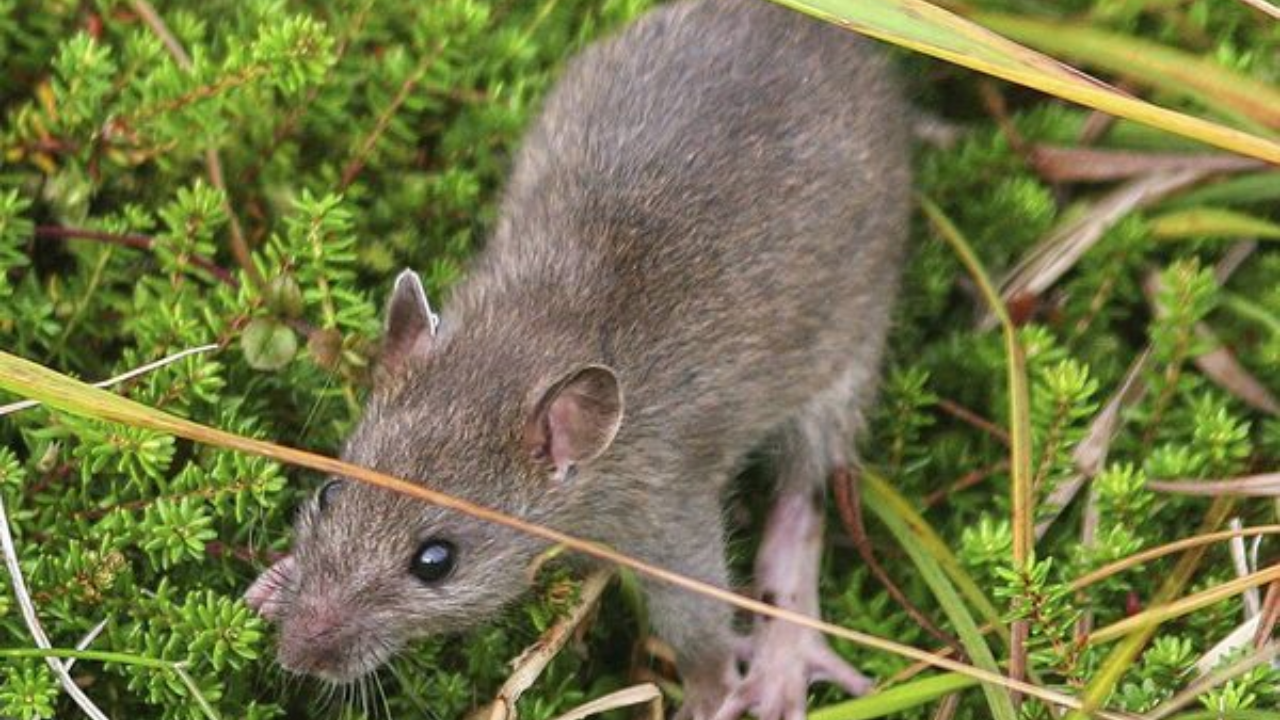
Alaska eradicates rats from Aleutian island, wildlife populations soar
Translated from English, summarized and contextualized by DistantNews.
At a glance
News
Official statement
Outcome reported
- Rats were eradicated from Hawadax Island in Alaska, over two centuries after a shipwreck introduced them.
- Native bird populations on the 6,869-acre island have increased by over 200% within two years of the rodents' removal.
- Seabirds that had disappeared are returning to nest, marking a significant recovery of the island's ecosystem.
Alaska has successfully eradicated invasive rats from Hawadax Island, a 6,869-acre island in the Aleutian archipelago. The non-native rodents were introduced around 1780 by a shipwreck, and their presence led to a drastic decline in native wildlife, particularly ground-nesting birds which had no natural defenses against mammalian predators.
When I first landed on what was Rat Island in 2007, it was an eerily silent place. A typical Aleutian island is teeming with wildlife, swirling with noisy, pungent birds. Not this place. It was crisscrossed with rat trails, littered with rat scat, scavenged bird bones, it even smelled…
Norway rats (Rattus norvegicus) multiplied rapidly, preying on bird eggs, chicks, and adult birds. This infestation devastated the island's ecosystem, which had evolved without land-based predators. The situation was so severe that the island became known as Rat Island, characterized by rat trails, droppings, scavenged bird bones, and an unpleasant smell, according to conservationist Stacey Buckelew.
A major eradication campaign began in autumn 2008, involving the U.S. Fish and Wildlife Service (USFWS) and conservation groups like The Nature Conservancy and Island Conservation. Specialist teams used helicopters to distribute rodenticide bait across the island following a precise digital grid. After years of monitoring confirmed the absence of rodents, the island was officially declared rat-free.
the island was “hardly recognizable among the cacophony of birds calling everywhere; it's alive with bird fledglings”.
The recovery of wildlife has been swift and dramatic. Within two years of the eradication, native bird populations, including glaucous-winged gulls, song sparrows, rock sandpipers, and black oystercatchers, increased by more than 200%. Biologists recorded a three-fold increase in glaucous-winged gull nests. Furthermore, tufted puffins and storm-petrels, which had been nearly wiped out, have returned to nest on the island's cliffs. Buckelew described the transformation, noting that the island is now "alive with bird fledglings" and filled with the "cacophony of birds calling everywhere."
The return of bird life to Hawadax Island is an inspiring example of what we can accomplish when we work together to fix a longstanding problem.
DistantNews Editorial
Originally published by Times of India in English. Translated, summarized, and contextualized by our editorial team with added local perspective. Read our editorial standards.
More Stories

From Our Blog

What Press Freedom Means for the News You Read

What Gets Lost (and Found) When News Is Translated

The Critical Role of Diaspora Media in Global News

What Travellers Should Know About Countries with Restricted Press

A Digital Nomad's Guide to Following Local News
