


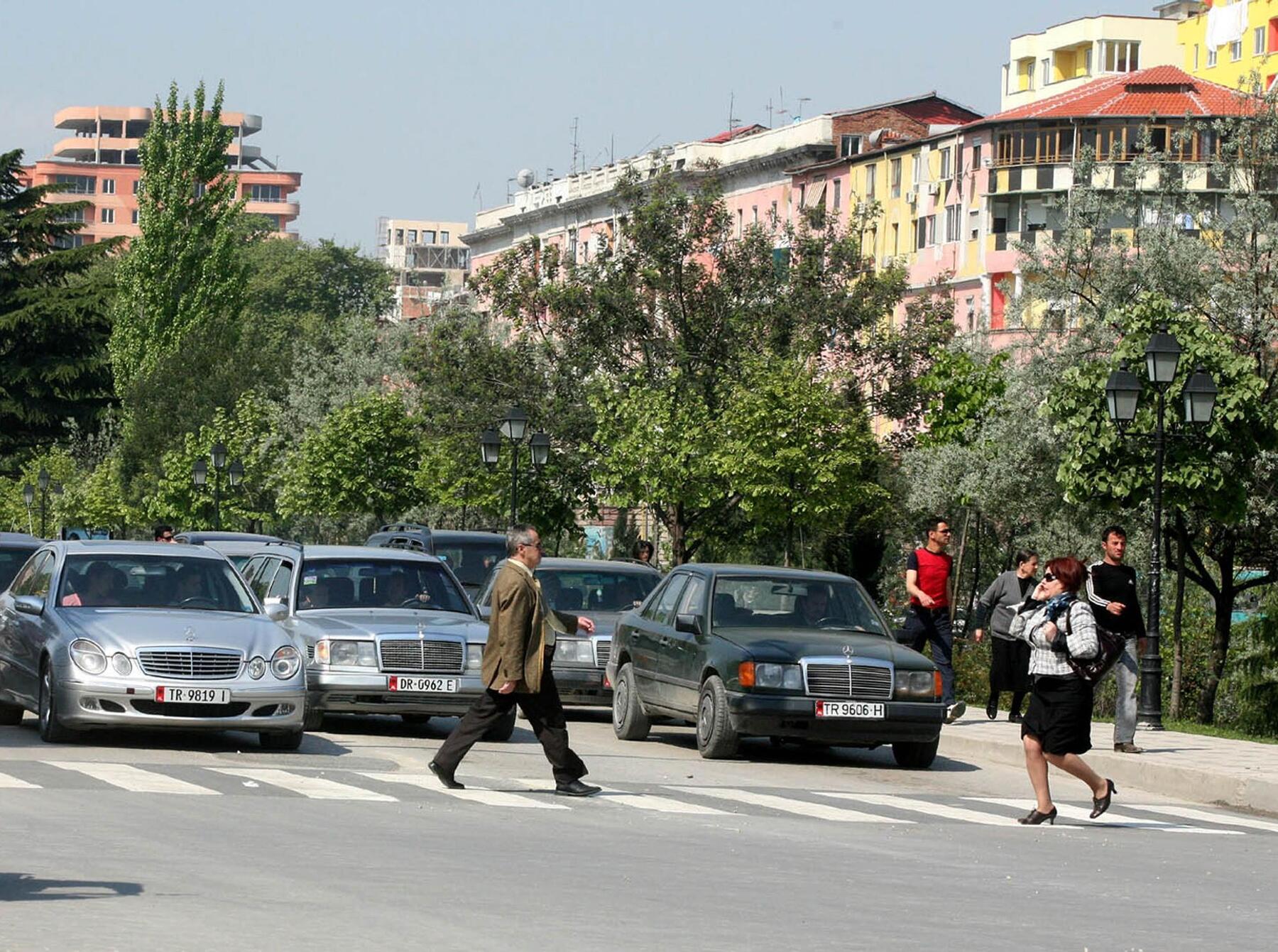
Albania's farewell to the Mercedes star: Cheap Chinese electric cars replace durable second-hand models
Translated from German, summarized and contextualized by DistantNews.
At a glance
News
Sources not specified
Context piece
- Albania is rapidly shifting from used Mercedes-Benz cars to new electric vehicles from China.
- Chinese brands like BYD now hold a 50% market share for new registrations in Albania.
- The lower price of Chinese EVs, due to waived EU tariffs, makes them highly attractive to Albanian consumers.
Albania's roads are witnessing a dramatic shift, with Chinese electric vehicles rapidly replacing the once-ubiquitous used Mercedes-Benz cars. For decades, the robust and easily maintained Mercedes-Benz was the symbol of status and the practical choice for navigating Albania's mountainous terrain. Around the turn of the millennium, these durable German sedans reportedly made up 70% to 90% of the national fleet, and even in 2022, one in three registered cars was a Mercedes.
However, this long-standing affection for the three-pointed star is fading fast. In the first half of this year alone, Chinese automaker BYD secured a 50% market share for new registrations in Albania, according to a Deutsche Welle report. Other Chinese manufacturers like Leapmotor and Geely, along with Chinese-made Volkswagen models, are also catering to a growing demand for hybrid and electric cars.
The primary driver behind this transition is price. Albania, as an EU candidate country, benefits from waived EU protective tariffs on Chinese automobiles. Coupled with direct imports by private individuals rather than through dealerships, these Chinese EVs often cost less than half of what they would in Western Europe. This economic advantage is accelerating the departure of the beloved, albeit aging, Mercedes fleet.
DistantNews Editorial
Originally published by Die Presse in German. Translated, summarized, and contextualized by our editorial team with added local perspective. Read our editorial standards.
More Stories



From Our Blog

What Gets Lost (and Found) When News Is Translated

The Critical Role of Diaspora Media in Global News

What Travellers Should Know About Countries with Restricted Press

A Digital Nomad's Guide to Following Local News

How the Same Story Looks Different in Different Countries
