

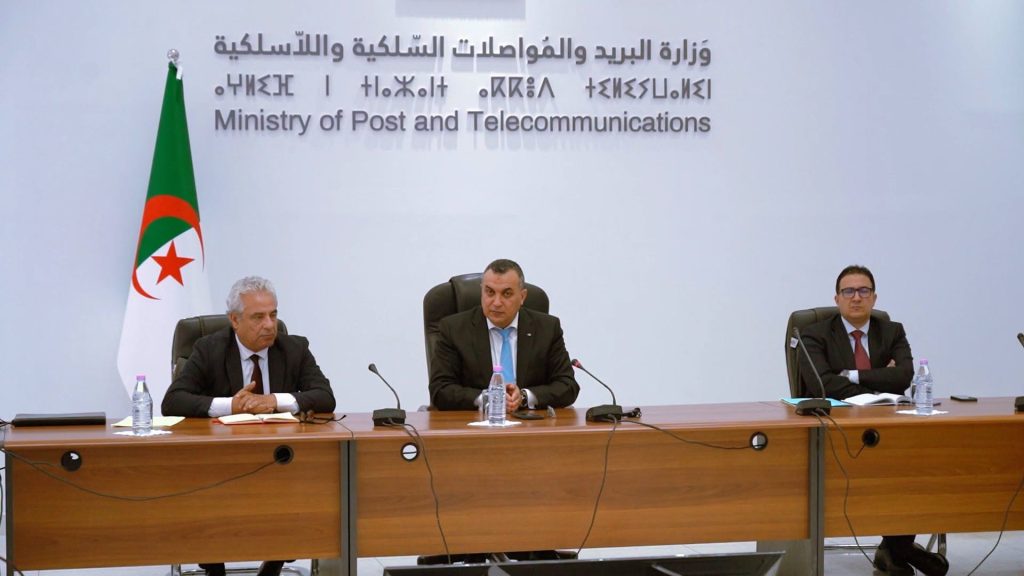

Algeria Accelerates Telecom Network Modernization
Translated from French, summarized and contextualized by DistantNews.
At a glance
News
Sources not specified
Context piece
- Algeria's mobile internet performance has improved, ranking 64th globally, with Algiers among the top 50 cities for connection speeds.
- To handle increased demand during the holidays, over 300 radio sites will be enhanced or deployed along the coast, and network maintenance is suspended during elections.
- The government aims to bridge the digital divide with a new project targeting 3,000 more localities by mid-2026, focusing on rural and underserved areas.
Algeria is accelerating its telecommunications network modernization, achieving significant gains in mobile internet performance. The country now ranks 64th globally, with Algiers recognized among the top 50 cities for connection speeds. These improvements reflect substantial investments by operators in infrastructure and data speeds.
To accommodate the anticipated surge in data usage during the holiday season, more than 300 radio sites will be reinforced or deployed across 14 coastal provinces. Additionally, the ministry has suspended maintenance and technical updates from June 25 to July 5 to ensure network stability during the electoral period.
Beyond these temporary measures, the government remains committed to reducing the digital divide. Following a program that covered 1,400 residential areas, a new initiative is set to launch in the second half of 2026, aiming to reach an additional 3,000 localities. This strategy aligns with the policy of universal service, with a particular focus on rural regions and areas with limited coverage.
Despite encouraging results, challenges persist. The increasing demand for digital services like high-definition video, remote work, and online administration is driving exponential data traffic growth. Operators must continue investing in network densification and capacity expansion. Another key issue is territorial equity, as the high-speed internet accessibility in urban areas (75.5%) contrasts sharply with rural regions (24.5%), where quality remains inconsistent. The success of future coverage programs will be a critical indicator of public policy effectiveness. Finally, sustained quality improvement requires rigorous performance monitoring, making the regulatory authority's role essential in objectively measuring service quality, strengthening oversight, and incentivizing improvements.
DistantNews Editorial
Originally published by El Watan in French. Translated, summarized, and contextualized by our editorial team with added local perspective. Read our editorial standards.
More Stories


From Our Blog

What Gets Lost (and Found) When News Is Translated

The Critical Role of Diaspora Media in Global News

What Travellers Should Know About Countries with Restricted Press

A Digital Nomad's Guide to Following Local News

How the Same Story Looks Different in Different Countries
