

Algeria at the heart of Europe's new clean energy bet
Translated from French, summarized and contextualized by DistantNews.
At a glance
News
Named sources
Context piece
- The European Union is launching a new strategy focused on renewable energy cooperation with North Africa, particularly Algeria.
- This initiative, T-MED, aims to make the southern Mediterranean a hub for green electricity and hydrogen production.
- Algeria is considered a key partner due to its solar potential, existing infrastructure, and strategic position.
The European Union is embarking on a renewed push for clean energy partnerships with North Africa, centering its strategy on Algeria's vast potential.
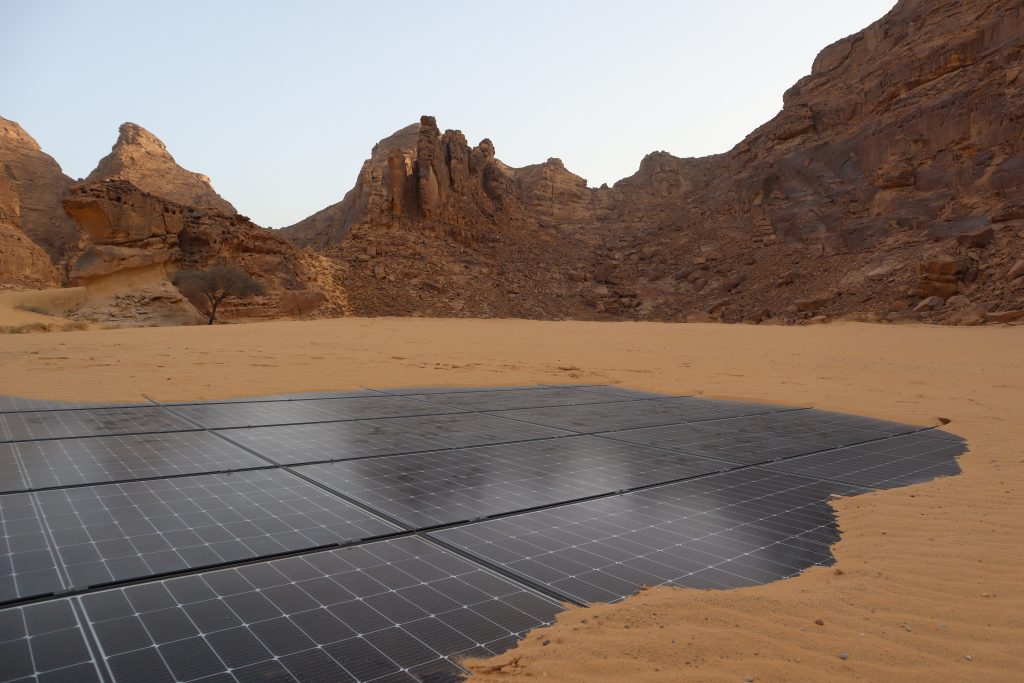
Fifteen years after the ambitious but failed Desertec project, the EU is re-engaging with the southern Mediterranean with a more politically grounded approach. The T-MED program, focused on trans-Mediterranean cooperation in renewable energy and clean technologies, is part of a broader pact adopted in Barcelona. Launched during the European Sustainable Energy Week, the initiative aims to transform the southern shores of the Mediterranean into a major production center for green electricity, renewable hydrogen, and low-carbon technologies.
European officials highlight Algeria's critical role, with one stating that a small portion of its territory could meet Europe's entire energy needs. This underscores the strategic importance placed on Algeria, leveraging its exceptional sunshine, extensive desert areas, established energy industry, and existing gas network, which could be partially repurposed. The EU's objectives are threefold: securing energy supplies, bolstering its green industry, and accelerating its decarbonization efforts.
For Algeria, the partnership represents a significant opportunity to transform its underutilized natural resources into a driver for economic diversification and technological advancement. European Commissioner for the Mediterranean, Dubravka Šuica, envisions a future "global hub for clean energy," with Algeria implicitly positioned as a cornerstone of this new energy architecture. While the EU pledges substantial investment, potentially up to 25 billion euros by 2035, the article notes that current financial commitments may still fall short of the actual needs for renewable energy development in Africa.
DistantNews Editorial
Originally published by El Watan in French. Translated, summarized, and contextualized by our editorial team with added local perspective. Read our editorial standards.
More Stories
From Our Blog

What Gets Lost (and Found) When News Is Translated

The Critical Role of Diaspora Media in Global News

What Travellers Should Know About Countries with Restricted Press

A Digital Nomad's Guide to Following Local News

How the Same Story Looks Different in Different Countries
