

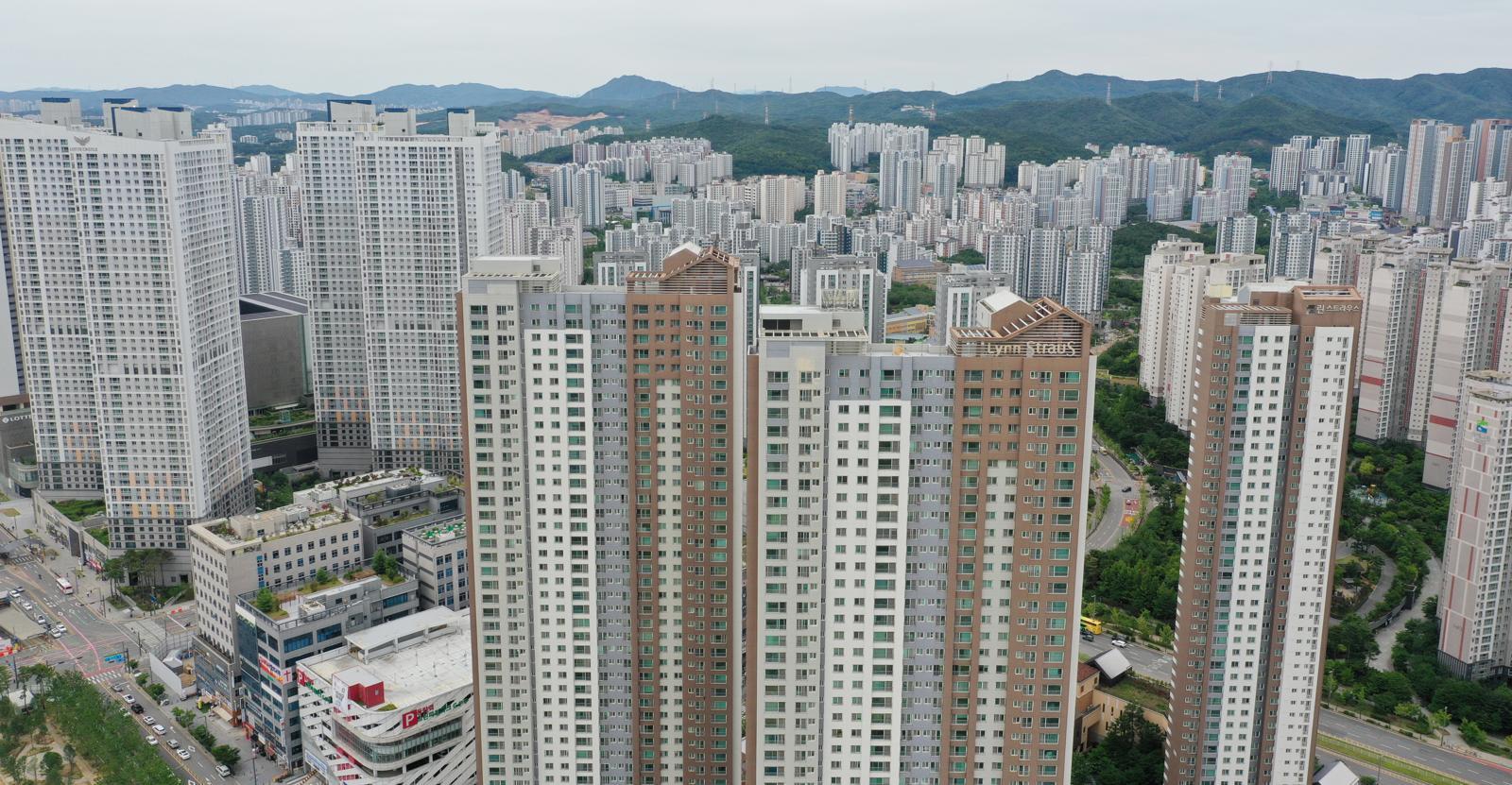

Ambiguous '3 Mega-Projects': Unclear on When, Where, and How Much to Invest
Translated from Korean, summarized and contextualized by DistantNews.
At a glance
Analysis
Named sources
Context piece
- The government's "3 major mega-projects," centered on a semiconductor cluster in the southwestern region, face challenges due to unclear investment details.
- Companies like Samsung and SK have signed MOUs but have not specified investment locations or timelines, raising concerns about the feasibility of the plans.
- Experts suggest the need for conditional measures to ensure companies fulfill their investment promises, given the ambiguity in the project details.
South Korea's "3 major mega-projects," spearheaded by the establishment of a semiconductor cluster in the southwestern region, are facing scrutiny over the vagueness of their implementation plans. While the government has announced ambitious goals, key details regarding investment locations, timelines, and the exact scale of new investments remain unclear, leading to concerns about the projects' ultimate success.
The companies obtained definite benefits like support for the Yongin semiconductor cluster, and then made uncertain promises for investment in Gwangju/Honam. If the semiconductor market turns down, they will likely postpone investment plans in Honam, leaving themselves an escape route.
Companies such as Samsung Electronics and SK Hynix have signed Memoranda of Understanding (MOUs) for investments in the region. However, at a recent public briefing, neither company specified where or when these investments would materialize. This lack of concrete detail has fueled skepticism, with some suggesting that companies might be leveraging the government's enthusiasm for future investments while prioritizing existing, more certain projects in the Seoul metropolitan area.
The government has drawn a big picture by presenting the strategic direction for Korea's semiconductor and AI industries, which seems meaningful. While it may be difficult for companies to prepare detailed execution plans due to the fluid demand for AI semiconductors, they must continue to supplement with detailed content.
Experts are calling for more specific action plans and conditional frameworks to ensure corporate commitment. They point out that the announced investment figures often blend existing and new plans, making it difficult to ascertain the actual new capital inflow. The government, meanwhile, is pushing forward, with President Lee Jae-myung emphasizing the need for swift execution and establishing a dedicated team to oversee the projects. However, concerns persist that without clear, detailed roadmaps, these "mega-projects" may remain mere declarations rather than tangible developments.
Irreversibility is not a matter of resolve, but a matter of design. The task is to create a tipping point where the cost of reversing the project becomes greater than the cost of continuing it, for all stakeholders, simultaneously and as early as possible.
DistantNews Editorial
Originally published by Hankyoreh in Korean. Translated, summarized, and contextualized by our editorial team with added local perspective. Read our editorial standards.
More Stories


From Our Blog

What Gets Lost (and Found) When News Is Translated

The Critical Role of Diaspora Media in Global News

What Travellers Should Know About Countries with Restricted Press

A Digital Nomad's Guide to Following Local News

How the Same Story Looks Different in Different Countries
