


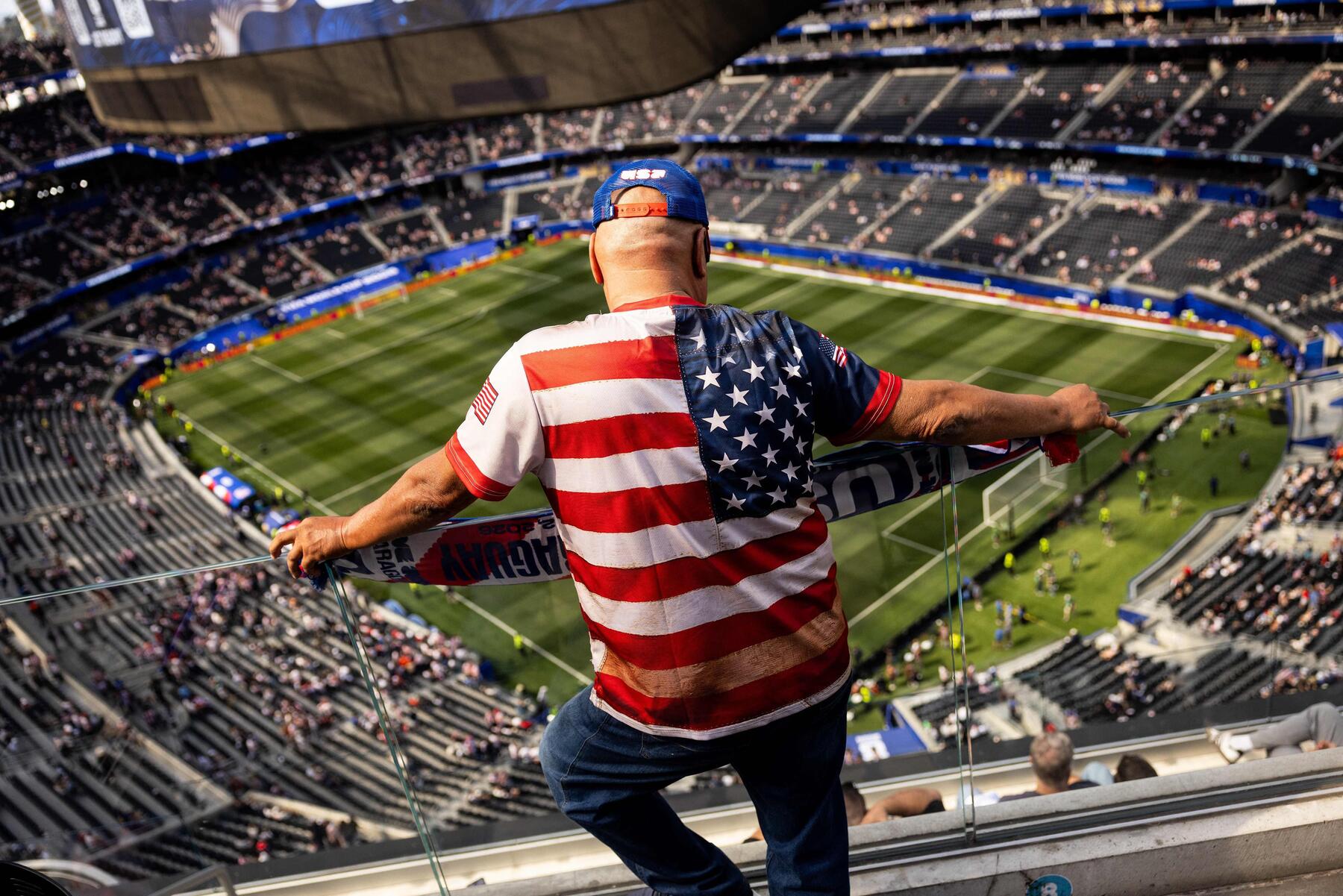
America after the World Cup: Soccer in the land of limited opportunities
Translated from German, summarized and contextualized by DistantNews.
At a glance
Analysis
Sources not specified
Context piece
- The article questions what will remain of the World Cup hype in the United States after the tournament concludes, drawing parallels to 1994.
- It highlights the US's success in other sports like basketball, swimming, and athletics, but points to a lack of prominent soccer stars and declining interest in MLS.
- High costs and limited accessibility of youth soccer in the US are cited as barriers to developing new talent and sustaining enthusiasm beyond major tournaments.
The United States is a global sports powerhouse, excelling in everything from Olympic track and field to professional basketball and swimming. Yet, as the World Cup concludes, questions linger about the lasting impact of soccer in a nation where other sports dominate.
Despite high-profile deals, like Lionel Messi's move to Miami, and increased viewership during the tournament, the MLS and the US national team lack "lighthouses" – charismatic stars who can truly capture the public's imagination. Christian Pulisic, once a promising talent, is now seen as a supporting player, failing to ignite the kind of widespread euphoria needed to elevate the sport.
The danger of a relapse, like after the 1994 World Cup, is real.
The article points to significant barriers to soccer's growth: its "elite, very expensive" nature. With youth soccer fees reaching up to $20,000 annually, only 2% of participating children come from households earning less than $50,000 a year. This financial hurdle makes it difficult to discover and nurture talent from a broad base, raising concerns about a potential return to the disinterest seen after the 1994 World Cup.
While the enthusiasm during the tournament was palpable, the long-term question remains: will the momentum translate into sustained growth, or will the sport fade back into the background once football and basketball seasons begin? The US craves new champions in global sports, but soccer's path to widespread, enduring popularity appears fraught with challenges.
Only two percent of children in organized soccer come from households earning less than $50,000 a year.
DistantNews Editorial
Originally published by Die Presse in German. Translated, summarized, and contextualized by our editorial team with added local perspective. Read our editorial standards.
More Stories


From Our Blog

What Gets Lost (and Found) When News Is Translated

The Critical Role of Diaspora Media in Global News

What Travellers Should Know About Countries with Restricted Press

A Digital Nomad's Guide to Following Local News

How the Same Story Looks Different in Different Countries
