


Amid Hormuz crisis, South Korea, China, Japan emphasize food and energy cooperation with ASEAN
Translated from Korean, summarized and contextualized by DistantNews.
At a glance
News
Named sources
New plan
- South Korea, China, and Japan, along with ASEAN nations, have pledged to cooperate on food and energy security amidst the escalating crisis in the Strait of Hormuz.
- The ASEAN+3 foreign ministers' meeting emphasized the need for joint responses to the vulnerabilities exposed by the Hormuz Strait disruptions.
- South Korea highlighted its contributions to the ASEAN+3 Emergency Rice Reserve (APTERR) and offered to assist ASEAN in energy security and nuclear safety.
Amidst escalating tensions in the Strait of Hormuz, South Korea, China, and Japan, alongside Southeast Asian Nations (ASEAN), have committed to strengthening cooperation on food and energy security. The commitment was made during the 27th ASEAN+3 Foreign Ministers' Meeting held in Manila, Philippines.
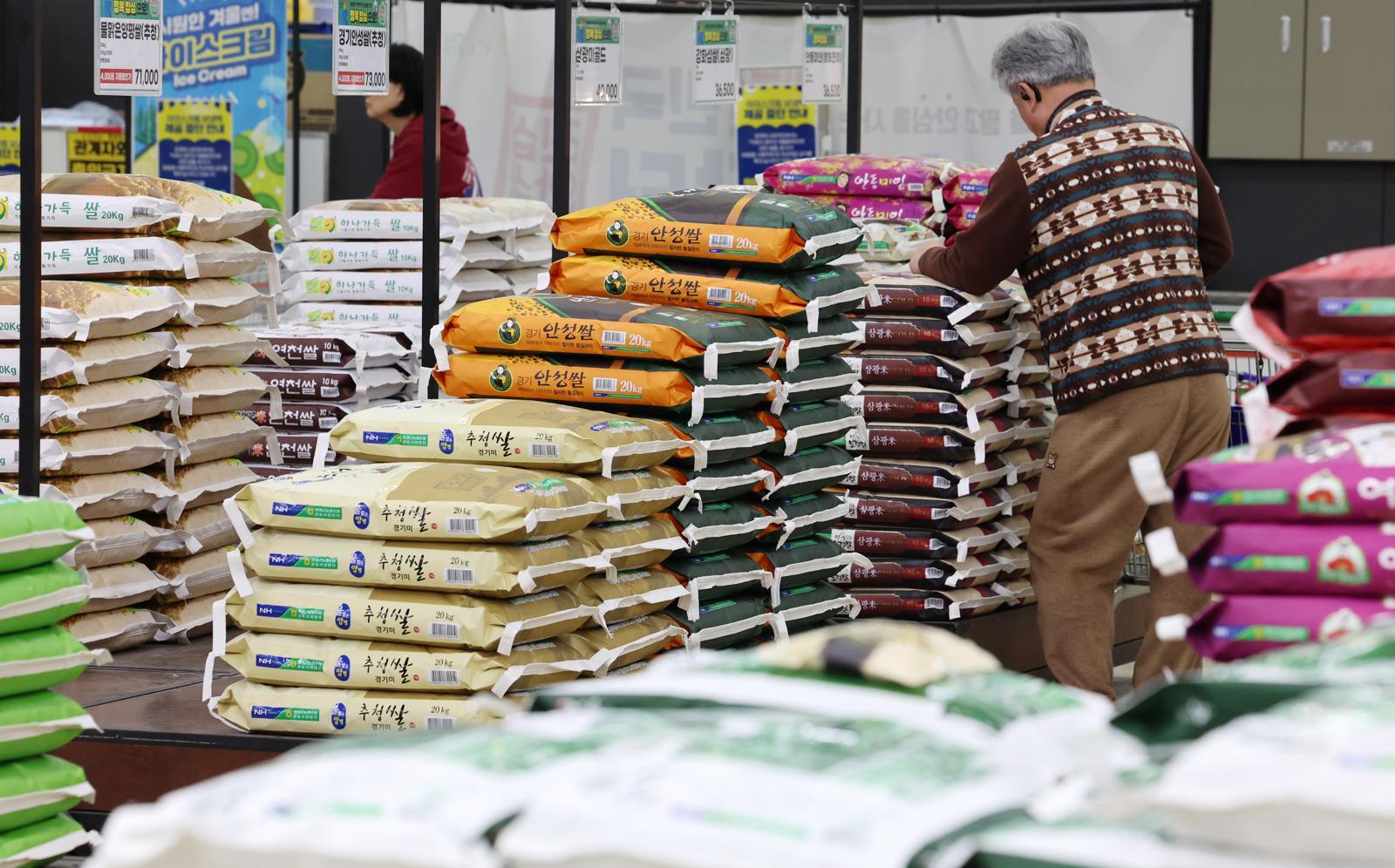
South Korean Foreign Minister Cho Hyun underscored the fragility of global food and energy supplies, which have been significantly pressured by disruptions in the Strait of Hormuz. He stressed the necessity for a unified response from ASEAN+3 countries to address these vulnerabilities. South Korea is a major contributor to the ASEAN+3 Emergency Rice Reserve (APTERR), having provided approximately 40,000 tons of rice for pre-stockpiling and emergency aid. This reserve has previously supported countries affected by natural disasters, such as earthquakes in Myanmar and floods in Laos.
The disruptions in the Strait of Hormuz have exposed vulnerabilities that were previously considered merely hypothetical. Both our food security and energy security are under severe pressure.
Cho also expressed South Korea's willingness to contribute to ASEAN's energy security by aiding in the development of power grids and enhancing capacity for the safe and peaceful use of nuclear energy. Japanese Foreign Minister Yoshimasa Hayashi echoed the sentiment, emphasizing the need to leverage the potential of the ASEAN+3 cooperation framework to tackle challenges in energy and food security, aging populations, and disaster prevention and response.
We must utilize the potential of the ASEAN+3 cooperation framework to address challenges such as energy and food security, aging populations, and disaster prevention and response.
Representing China, Vice Foreign Minister Hua Chunying noted that the geopolitical situation in the Middle East has impacted global energy, food, and industrial supply chains, signaling that the world is entering a period of "new turbulence and transformation." She called for regional countries to unite against overlapping traditional and emerging security challenges, urging adherence to lessons from history and principles of independence, openness, and inclusivity. This call for cooperation comes amid heightened tensions in the South China Sea and East China Sea, as well as ongoing Sino-Japanese disputes.
The meeting saw the absence of Chinese Foreign Minister Wang Yi, who had departed for the SCO Foreign Ministers' meeting in Kyrgyzstan. While some had anticipated public disagreements between China and Japan due to recent diplomatic friction, Wang's absence prevented such a scenario.
Traditional security challenges and newly emerging security challenges are overlapping and intertwined, increasing the call for regional countries to join forces to respond to challenges.
DistantNews Editorial
Originally published by Hankyoreh in Korean. Translated, summarized, and contextualized by our editorial team with added local perspective. Read our editorial standards.
More Stories

From Our Blog

What Gets Lost (and Found) When News Is Translated

The Critical Role of Diaspora Media in Global News

What Travellers Should Know About Countries with Restricted Press

A Digital Nomad's Guide to Following Local News

How the Same Story Looks Different in Different Countries
