


Ammunition Shortage Forces Rethink of Latvian National Guard Training
Translated from Latvian, summarized and contextualized by DistantNews.
At a glance
News
Named sources
Context piece
- Ammunition availability is a critical global issue impacting military training, including Latvia's Zemessardze (National Guard).
- Zemessardze Commander Aivars Krjukovs stated that limited ammunition requires careful planning of training exercises.
- The shortage necessitates balancing live-fire practice with other essential training and stockpiling efforts.
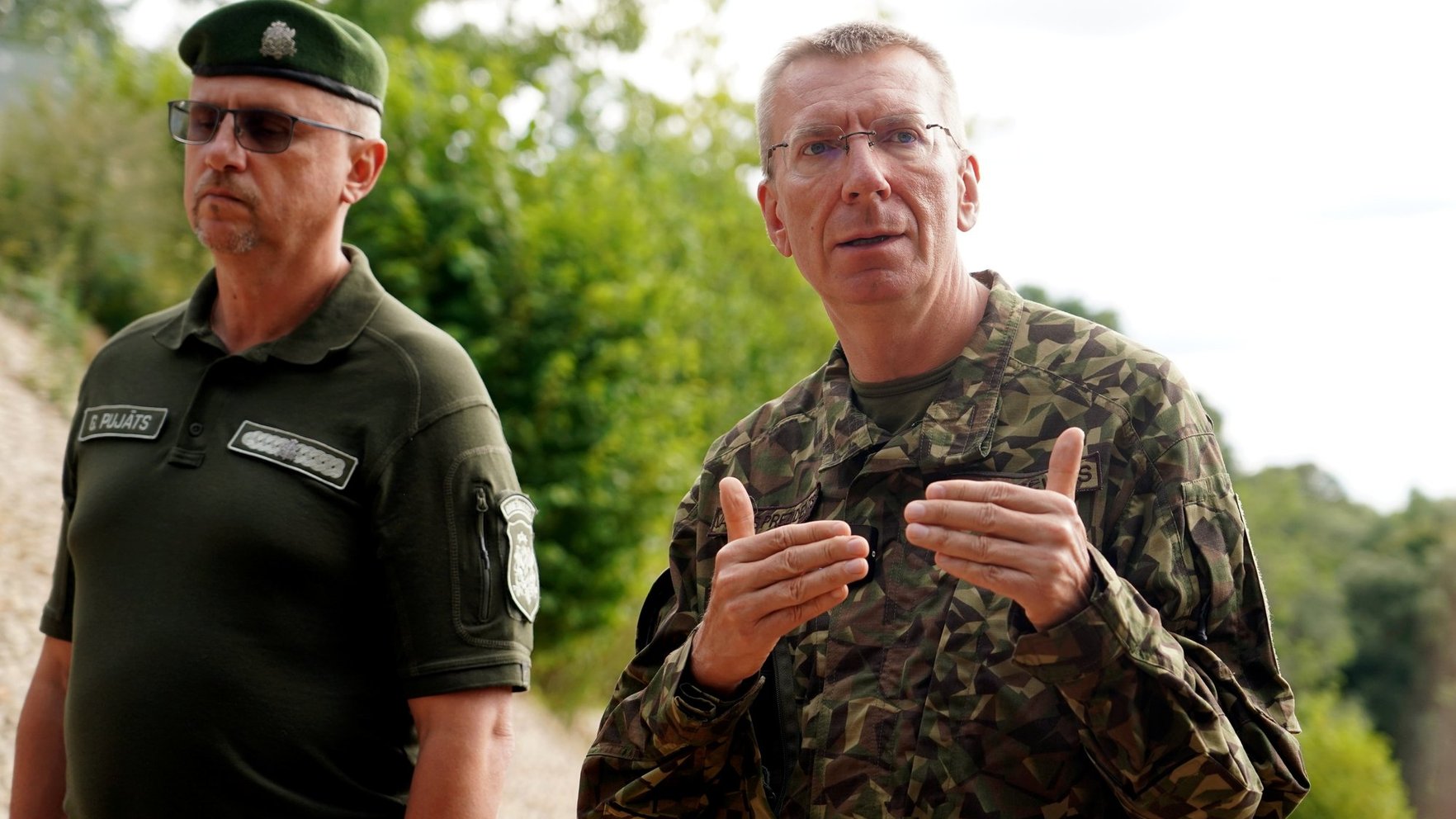
The global shortage of ammunition presents a significant challenge for military readiness, affecting units like Latvia's Zemessardze (National Guard). Zemessardze Commander, Brigadier General Aivars Krjukovs, acknowledged the impact on training, explaining that the scarcity requires strategic adjustments to their educational programs.
Krjukovs highlighted the delicate balance required in training. "We might want to shoot constantly, but if we are always shooting live ammunition and not learning other things, as well as not building our own stockpiles and accumulating ammunition, then something will definitely suffer from all of this," he stated. This underscores the need to conserve resources while ensuring combat readiness.
The commander's remarks, made during an interview with Delfi, point to the necessity of careful planning. Training must now incorporate not only live-fire exercises but also other crucial skill development and strategic resource management. The Zemessardze must adapt its approach to training to account for the current global ammunition supply situation, ensuring personnel remain proficient despite limitations.
We might want to shoot constantly, but if we are always shooting live ammunition and not learning other things, as well as not building our own stockpiles and accumulating ammunition, then something will definitely suffer from all of this.
DistantNews Editorial
Originally published by Delfi Latvia in Latvian. Translated, summarized, and contextualized by our editorial team with added local perspective. Read our editorial standards.
More Stories

From Our Blog

What Gets Lost (and Found) When News Is Translated

The Critical Role of Diaspora Media in Global News

What Travellers Should Know About Countries with Restricted Press

A Digital Nomad's Guide to Following Local News

How the Same Story Looks Different in Different Countries
